AP Photo Ethics Case Revisited, Contreras Dismissal Still Resonates
AP fired Narciso Contreras for altering a Syria war image by removing a colleague’s video camera from the frame. The case still matters because the rule against changing documentary reality now collides with AI-era pressure.
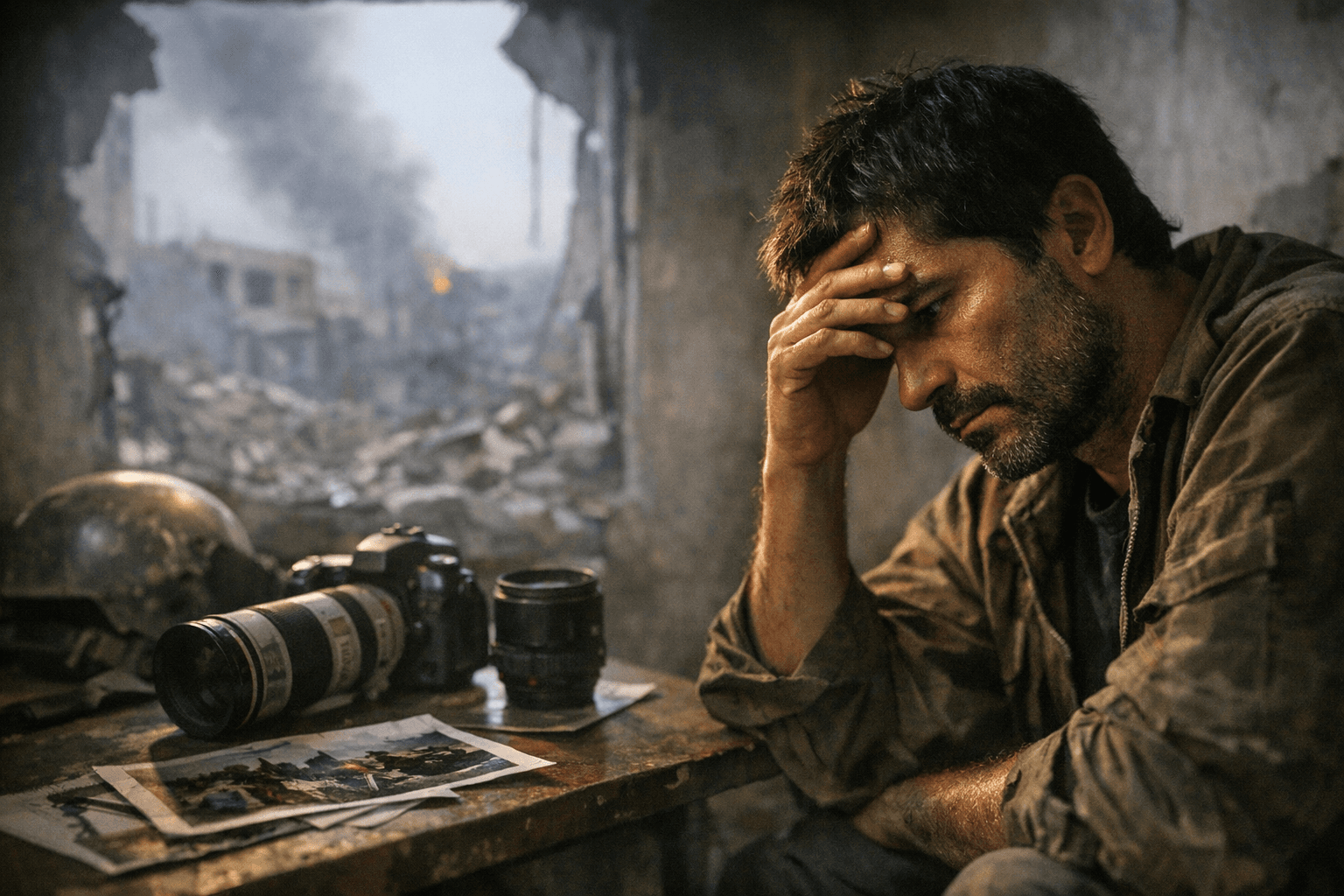
Narciso Contreras’ dismissal from Associated Press still cuts to the core of photojournalism: one altered frame, one broken trust, and a ban that ended his AP career. The image at the center of the case was taken on Sunday, Sept. 29, 2013, in Telata village in Syria’s Idlib province, and AP said Contreras removed a fellow journalist’s video camera from the lower-left corner of the frame before submitting it.
AP’s response was severe and deliberate. The agency said it reviewed nearly 500 other photos Contreras filed after he began working there in 2012 and found no other alterations, but it still cut ties, removed all of his photos from its publicly available archive and said he would not work for AP again in any capacity. AP also notified the Pulitzer Prize Board that the flawed image was made after the Pulitzer had already been awarded, and stressed that none of the images in its Pulitzer-winning Syria package were compromised, including six photos by Contreras.
The punishment tracked directly to AP’s own ethics code, which says its pictures must always tell the truth and that no element should be digitally added to or subtracted from any photograph. The organization treated the issue as more than a cleanup job in a corner of the frame. Poynter noted that AP said the violation still mattered even though the changed area had little news importance, because the photograph’s documentary value had been altered.
That remains the lesson for working photographers under deadline pressure. Contreras later said he was ashamed, said he “did not try to hide” the mistake, and argued that the incident should be treated as a public lesson for others. He also said he would continue working as a freelance photojournalist. But the central point never changed: in editorial photography, intent does not erase the breach when the scene itself has been changed.

Kenny Irby of Poynter called the incident unfortunate and noted that photojournalists consider cloning visual information unacceptable. Roger Tooth, The Guardian’s head of photography, defended AP’s decision and said Guardian guidelines also forbid cloning and retouching. That makes the case feel even more relevant now, in an era of AI editing, selective cleanup and instant delivery, when photographers can be tempted to “improve” an image before anyone notices.
For documentary shooters, contest entrants and newsroom freelancers, the practical rule is simple: decide where the line is before the assignment gets chaotic. A camera in the corner of a war photo may look minor, but AP’s treatment of the Contreras case shows how quickly a small removal can become a permanent credibility problem.
This article was produced by Prism’s automated news system from verified source data, official records, and press releases, then run through automated quality and moderation checks before publishing. The system is built and supervised by the people who set the standards it runs under. Read our full AI policy.
Did this article answer your question?