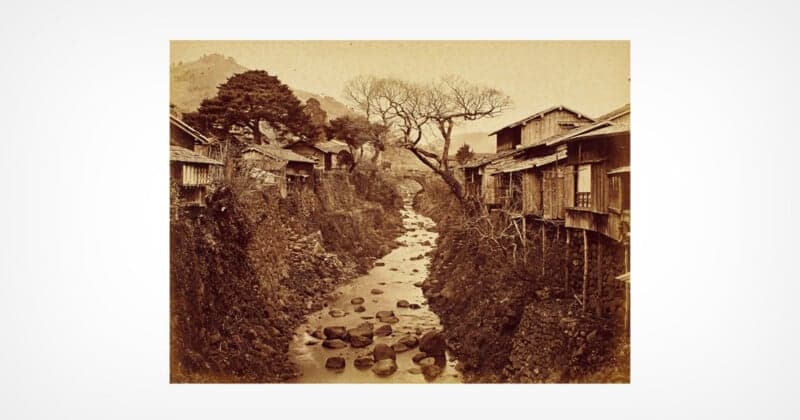
Architectural photographer Brian Ormerod finds simplicity in Nikon Z5
Brian Ormerod shows how a Nikon Z5 can handle serious architectural work when lens choice, timing, and restraint do the real heavy lifting.
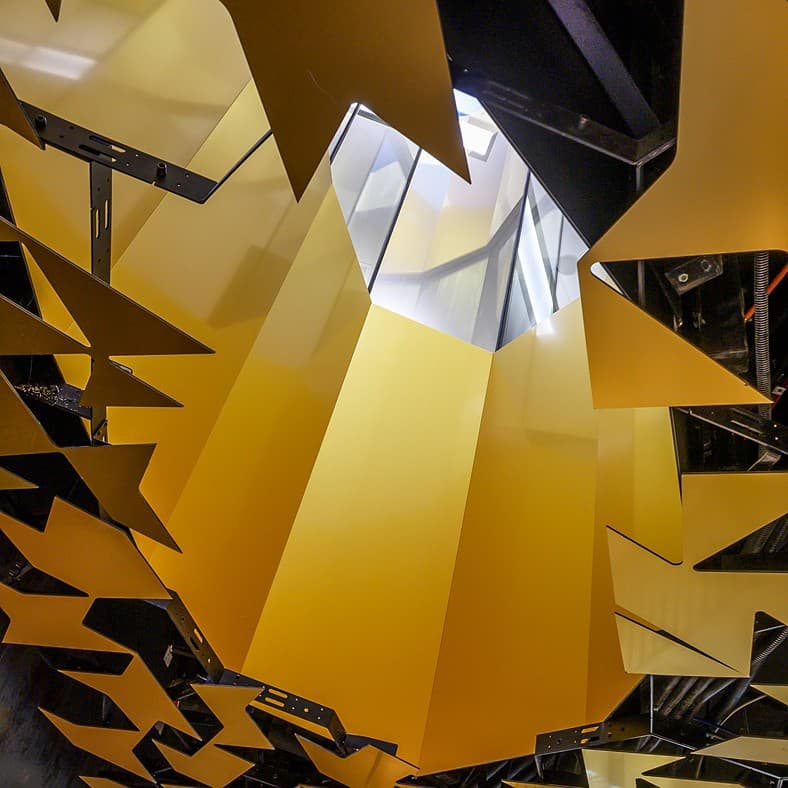
A modest body, a disciplined eye
Brian Ormerod’s architectural portfolio makes a useful argument for every photographer who has ever wondered whether the next camera body will finally unlock the work. Based in Milnthorpe, Cumbria, UK, and photographing since the early 1960s, he has built a body of work that reaches across Vienna, Barcelona, Prague, Paris, Istanbul, and beyond. The throughline is not gear obsession, but repetition, planning, and a patient interest in how buildings change with light and viewpoint.
That is why the Nikon Z5 sits at the center of his process. Ormerod’s work started as casual holiday photography and grew into more deliberate architectural study after years of architectural training and a deeper fascination with structure, composition, and light. The camera gives him enough resolution and control for careful city work without turning the bag into a burden, and that balance is the real lesson hidden inside his portfolio.
The lens does the storytelling before the body does
Ormerod’s favorite setup pairs the Nikon Z5 with a Nikkor DX 16-50mm f/3.5-6.3 VR lens for walk-around shooting. For special architectural projects, he keeps a Nikkor Z 24-70mm f/4 ready, which hints at a two-mode workflow: one lens for roaming, one for more purposeful sessions. That is a smart split for architecture, where the frame is often decided long before you press the shutter.
The practical point is simple. The camera body matters, but the focal length and the viewing angle often matter more, especially when your subjects are facades, streetscapes, and tight urban corners. A flexible zoom makes it easier to respond to changing distances, while a more deliberate setup helps isolate a building detail, a rhythm of windows, or the exact slice of street that makes the composition click.
Perspective control starts with where you stand
Architecture photography rewards patience because it punishes lazy framing. Ormerod returns to the same cities and subjects with different light and different vantage points, building a visual record that feels both personal and systematic. That approach matters more than novelty, because buildings do not change for your convenience, and the best frame is often the one you earn by standing in the right place at the right time.
His work also underscores how much perspective control lives in technique, not in body prestige. If verticals are straight, if foreground lines lead cleanly, and if the camera height feels intentional, the image reads as architectural rather than accidental. Ormerod’s decades-long habit of revisiting a place is a reminder that the best composition is rarely the first one you see.
Why the Z5 fits this kind of work
The Nikon Z5 was announced on July 21, 2020 as Nikon’s entry-point full-frame Z-mount body, and DPReview’s product database classifies it as an entry-level full-frame mirrorless camera. Nikon says the camera uses a 24.3-megapixel FX-format sensor, covers an ISO range of 100-51200, and offers a 273-point autofocus system that covers 90% of the frame. It also includes in-body image stabilization rated to 5.0 stops, dual SD card slots, and a weather-sealed body.
Those specifications line up neatly with the needs of a photographer like Ormerod. Architecture and travel work often benefit more from dependable handling, stable files, and practical portability than from the very latest burst specs or headline-grabbing automation. DPReview reviewed the Z5 in September 2020 and called it a strong value for still photographers, which explains why a careful builder of architectural images might still prefer it over a heavier or more expensive body.
Nikon USA positioned the Z5 as the new full-frame entry point into the Z series mirrorless lineup, and that positioning still helps explain its appeal. It is a camera built to get out of the way, which is exactly what a patient architectural photographer wants when the real subject is the line of a cornice, the angle of a street, or the way evening light lands on stone.
The editing lesson is restraint
Ormerod’s portfolio is a reminder that editing should refine a strong frame, not rescue a weak one. In architecture work, the important decisions usually happen before post-processing starts: choosing the right facade, waiting for the better light, and standing in the place that keeps the geometry clean. The more disciplined the capture, the less heavy lifting the edit has to do.
That is where the counterintuitive value of the Z5 becomes clearest. A camera that is not trying to be everything at once can encourage a slower, more thoughtful workflow, and that can be a better fit for architectural subjects than a spec-heavy body that tempts you into treating the scene like a race. Ormerod’s images show what happens when the photographer stays interested in structure instead of novelty.
What to borrow from Ormerod’s approach
- Choose a camera and lens combination you can carry repeatedly, not just proudly.
- Return to the same building or district at different times, because light changes the story.
- Use viewpoint to solve perspective problems before you reach for software.
- Treat the wide end of a zoom as a tool for composition, not just coverage.
- Keep the edit clean so the architecture stays in charge of the image.
The arrival of the Nikon Z5II on April 3, 2025 gives today’s shoppers a newer comparison point, but Ormerod’s work proves that older, proven tools still have real staying power. A 24.3-megapixel full-frame body with stabilization, weather sealing, dual card slots, and sensible handling can still produce polished architectural photography when the photographer brings the discipline. Brian Ormerod’s archive is the better upgrade path: learn the building, watch the light, and let the camera serve the vision instead of the other way around.
This article was produced by Prism’s automated news system from verified source data, official records, and press releases, then run through automated quality and moderation checks before publishing. The system is built and supervised by the people who set the standards it runs under. Read our full AI policy.
Did this article answer your question?