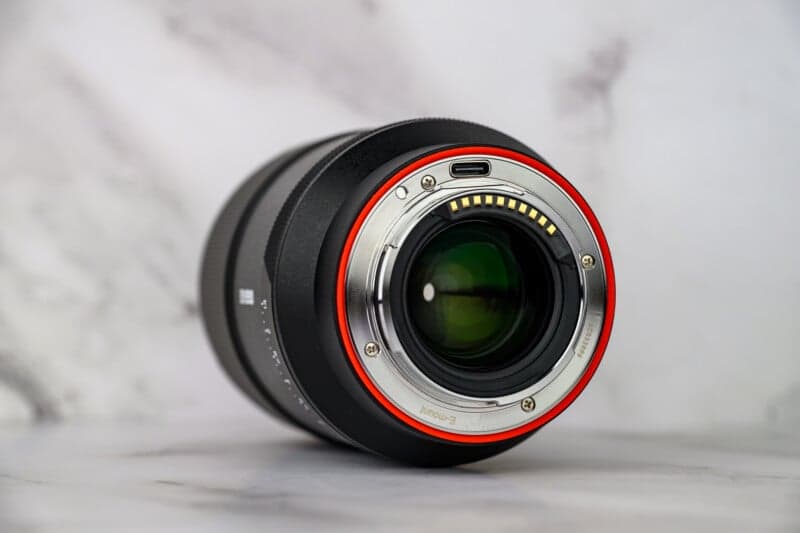
Canon MS-510 sees in near-total darkness with 1-inch SPAD sensor
Canon’s MS-510 pushes full-color capture to 0.0006 lux, a dark-seeing industrial camera that hints at the future of night photography.
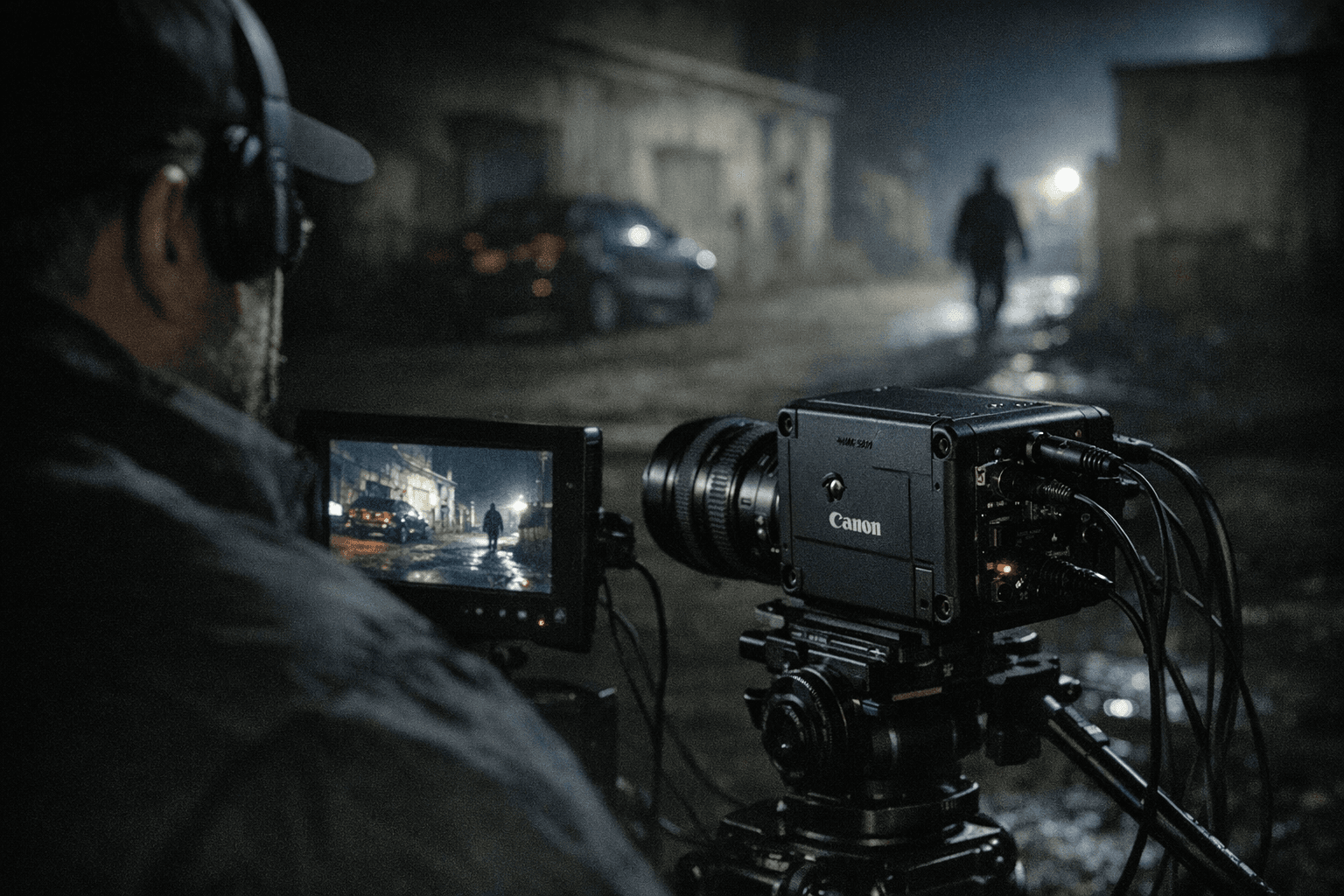
Full-color video at 0.0006 lux is the kind of spec that makes a dark frame look obsolete. Canon’s MS-510 Multi-Purpose Camera pairs a 1-inch SPAD sensor with about 3.2 million pixels and boosted near-infrared sensitivity, letting it see where most cameras would be reduced to noise.
Canon U.S.A., Inc. announced the MS-510 in Melville, New York, on April 15 and said the camera will be shown at NAB Show Las Vegas from April 19 to 22 at booth #C3825. The company is pitching it for ultra-low-light full-color video and long-range imaging in places where visibility is not a luxury, including seaports, public infrastructure facilities, and national borders. Canon also says the camera is built to fit existing security workflows, with support for ONVIF, Pelco-D, WebView, 3G/HD-SDI, and LAN-based control.
The most striking part is how far Canon has pushed beyond the earlier MS-500. That model launched in 2023 as Canon’s first ultra-high-sensitivity interchangeable-lens camera with a SPAD sensor, and its minimum subject illumination was 0.001 lux. The MS-510’s 0.0006-lux figure is a 40% improvement in the headline sensitivity number, a meaningful step for a camera that already lives at the edge of visible light. Canon says the MS-500 could capture vessels about 5 kilometers away in color at night when paired with an ultra-telephoto broadcast lens, a reminder that this family of cameras is built for identification, not casual shooting.
Canon’s SPAD work goes back at least to 2013, and the company describes SPAD as a different image-sensor approach from CMOS, based on detecting individual photons. That matters here because the MS-510 is not just a brighter security camera, but another sign of how photon-counting technology is moving closer to practical imaging in situations once considered hopelessly dark. Canon says the new model also carries over the same core protocols and system compatibility as the MS-500, reinforcing that this is an upgrade for existing operators rather than a standalone experiment.
For photographers, the takeaway is bigger than the industrial label on the box. The MS-510 points toward a future where low-light capture is less about forcing light into a scene and more about extracting usable color from almost nothing. Wildlife monitoring, security work, astro-adjacent imaging, and night shooting tools all stand to inherit ideas that are now proving themselves first in the most demanding environments.
This article was produced by Prism’s automated news system from verified source data, official records, and press releases, then run through automated quality and moderation checks before publishing. The system is built and supervised by the people who set the standards it runs under. Read our full AI policy.
Did this article answer your question?