Hasselblad Masters finalist accused of generative AI amid global contest shortlist
A Street finalist's alleged AI image turned Hasselblad's 70-name shortlist into a trust test for one of photography's most prestigious contests. The debate landed just as public voting opened.
Hasselblad’s Masters 2026 shortlist was supposed to signal a comeback. Instead, one Street category finalist was accused of using generative AI, and the dispute quickly shifted the conversation from prestige to proof.
The timing made the clash harder to ignore. Hasselblad’s first Masters contest since 2023 drew more than 108,000 images from photographers in more than 160 countries and territories, producing 70 finalists across seven categories, with 10 finalists in each. Public voting opened April 29 and runs through June 1, with the seven category winners set to be announced June 30.
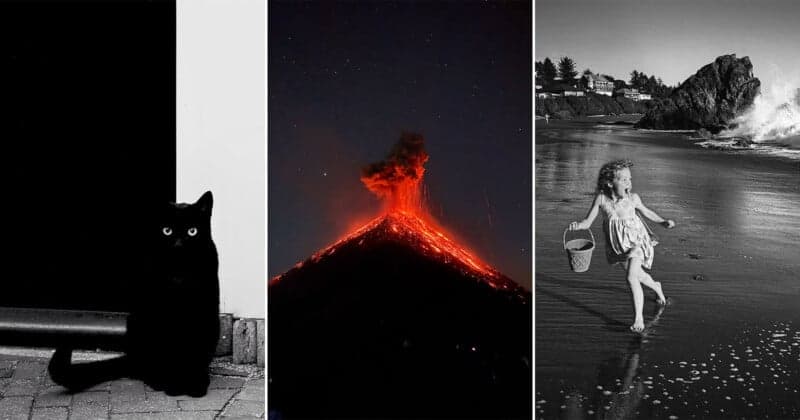
That scale is part of why the allegation landed so hard. Hasselblad describes Masters as one of the world’s most prestigious professional photography contests, and the competition’s public voting materials show all three images entered by each finalist. In a moment where viewers can inspect every submission side by side, the alleged mismatch in the Street category spread fast and became impossible to separate from the announcement itself.
The reaction online was immediate. Comments on YouTube and Instagram quickly centered on the AI allegation, drowning out the usual celebration that follows a shortlist of this size. For photographers, the issue goes beyond one finalist: if a contest built around craft and authorship cannot clearly reassure entrants and voters that a shortlisted image is human-made, the credibility of the entire process starts to wobble.
The stakes are even higher because Hasselblad has turned the Masters title into a serious prize package. Each category winner receives a Hasselblad X2D II 100C camera, two XCD series lenses, a €5,000 creative fund, the title of Hasselblad Master, and a place in the Hasselblad Masters book and related global showcases. Those rewards are meant to crown a professional benchmark, not a verification headache.
The company’s 2023 Masters competition offers the clearest comparison. That edition used a public vote and grand jury process too, but it had six categories rather than seven, and Hasselblad later said it received a record 85,000 photos, up 35% from 2021. The winners were announced on June 26, 2024, underscoring that the Masters cycle is not strictly annual and that the 2026 return arrived in a more fraught digital climate.
For serious photographers, that is the real story now. The contest is no longer only about image quality and category winners; it is about whether elite competitions can verify authorship fast enough to keep trust intact when generative tools are hard to spot and easier than ever to deploy.
This article was produced by Prism’s automated news system from verified source data, official records, and press releases, then run through automated quality and moderation checks before publishing. The system is built and supervised by the people who set the standards it runs under. Read our full AI policy.
Did this article answer your question?