Joel Meyerowitz Says Smartphones Expand Photography’s Human Reach
At 88, Joel Meyerowitz backed camera phones as a creative equalizer, then drew a hard line at AI image-making at a major London awards night.
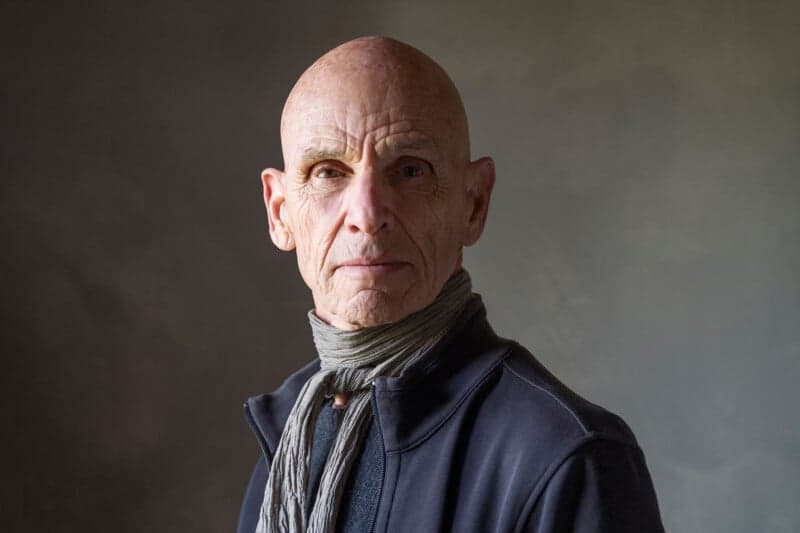
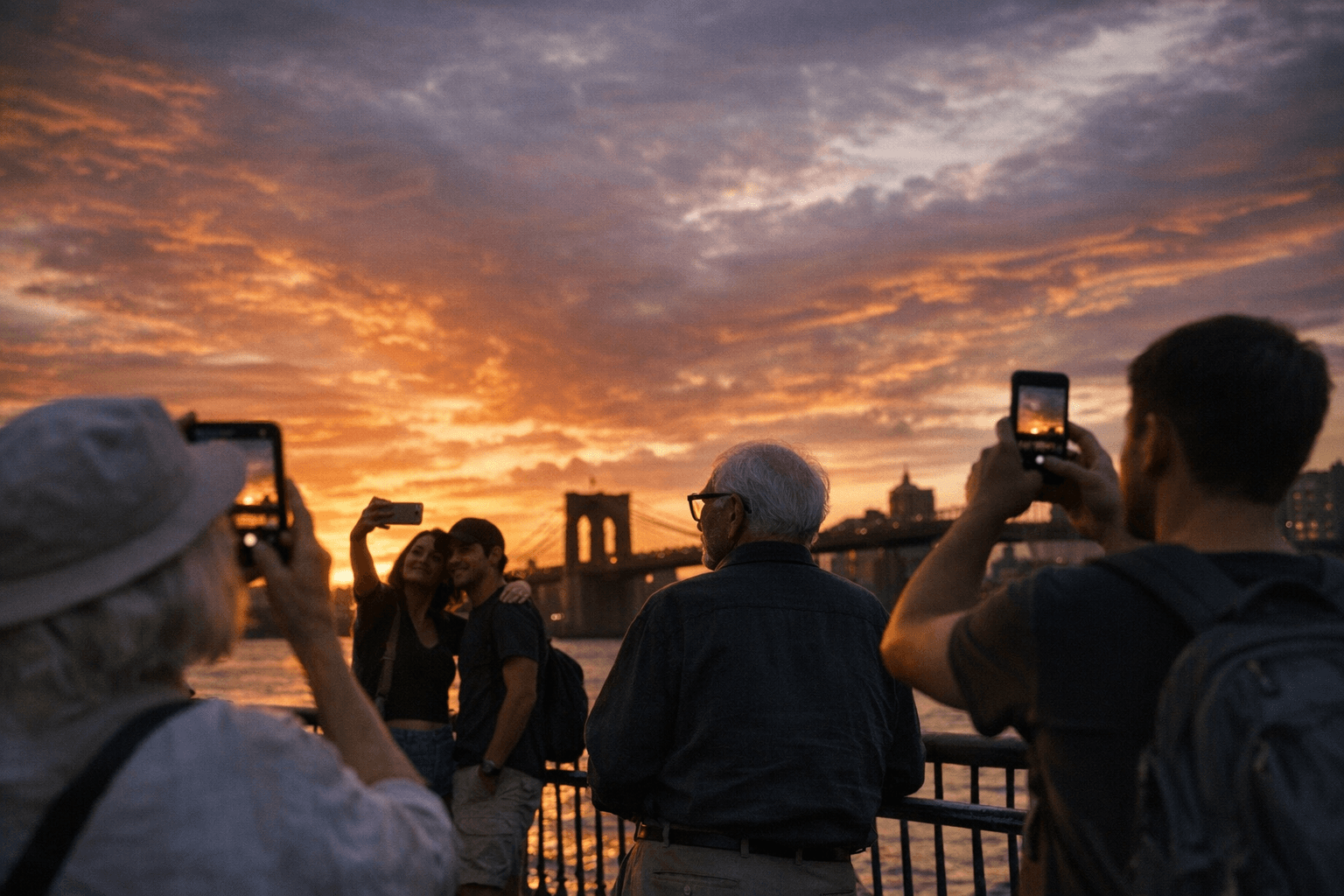
Joel Meyerowitz gave photography’s biggest awards week a human center of gravity. At 88, the street photography icon took the stage in London as the Sony World Photography Awards’ Outstanding Contribution to Photography honoree and argued that the spread of camera phones is a net positive because it gives almost everyone the “means of expression.”
That position lands at a moment when photography is split between expansion and unease. Meyerowitz did not sound anti-technology. Instead, he framed the argument the way a working image-maker would, by asking what a tool does to the relationship between subject, author, and viewer. He described AI image creation as “lensless photography” and said he is not using it, a clear line from a photographer who has spent decades adapting to new visual habits without surrendering the discipline’s core.
Meyerowitz’s authority in that debate is hard to overstate. He began photographing in color in 1962, long before color was fully accepted as serious art, and became one of the field’s most important advocates for color photography as a legitimate fine-art medium. His path into the medium also carries the kind of decisive turn that still resonates with photographers: after seeing Robert Frank work in New York, he quit his advertising art director job the same day and eventually became a full-time, self-taught freelance photographer in 1963.
The timing made the moment even sharper. The award was announced on November 18, 2025, and the 2026 ceremony took place on April 16 at Somerset House, where the exhibition opened the next day and runs through May 4. This year’s competition drew more than 430,000 submissions from over 200 countries and territories, a scale that underscores just how broad and participatory image-making has become. The exhibition includes more than 300 prints and hundreds more images in digital displays.
The wider contest also pointed to photography’s evolving center of gravity. The 2026 Photographer of the Year was Citlali Fabián for Bilha, Stories of my Sisters, a project focused on Indigenous women and identity in Oaxaca, Mexico. Against that backdrop, Meyerowitz’s remarks read as more than a personal opinion. They set out a familiar but urgent boundary for the medium in 2026: smartphones can widen the frame, but not every new image-making system automatically deepens what photography means.
This article was produced by Prism’s automated news system from verified source data, official records, and press releases, then run through automated quality and moderation checks before publishing. The system is built and supervised by the people who set the standards it runs under. Read our full AI policy.
Did this article answer your question?