Niche Cameras Are the Future as Manufacturers Target Specialized Audiences
DPReview's Mitchell, Abby, and Richard declared general-purpose mirrorless has peaked, pointing to fixed-lens compacts and compact medium-format as proof manufacturers are targeting niche audiences.
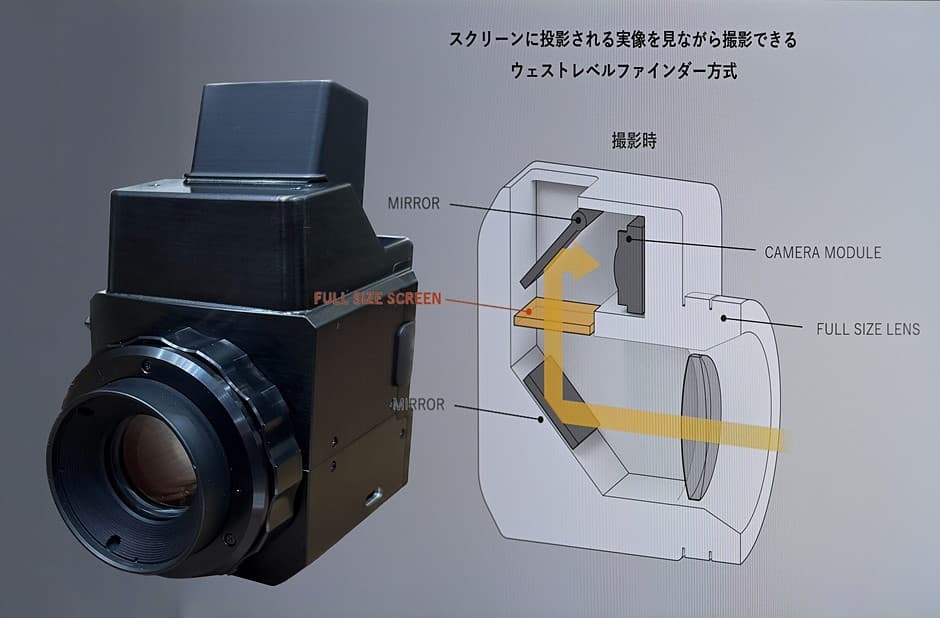
The general-purpose mirrorless body has peaked. That's the central argument DPReview's Mitchell, Abby, and Richard put forward in an editorial video released April 4, contending that manufacturers are now pivoting toward specialized cameras built for narrow audiences rather than chasing a universal flagship formula.
The thesis is anchored in 2025's product landscape, which the team described as a mix of incremental updates and unusual product bets. Where manufacturers once competed by stacking megapixels or frames per second, the DPReview analysis identifies a new battleground: form factor, tactile experience, and purpose-built optics. High-resolution fixed-lens compacts, rugged adventure cameras, and compact medium-format solutions were cited as the clearest evidence of this shift in motion.
The argument hinges on a threshold that stills and video shooters already feel firsthand. Current mirrorless systems have reached a point of diminishing returns for a wide range of use cases, and with general-purpose bodies delivering broadly sufficient performance, manufacturers are hunting growth elsewhere. The editorial points to street shooters, travel vloggers, landscape specialists, and hybrid mobile content creators as the discrete audiences now being courted with products designed for deep fit rather than broad competence.
Three signals support the niche thesis, according to the DPReview hosts. Launches increasingly emphasize form factor and tactile controls over spec-sheet supremacy. Third-party optics and accessory ecosystems are growing around specific camera bodies rather than platforms at large. And at CP+, manufacturers have been openly discussing segmentation strategies rather than deflecting those conversations entirely.

The trend carries real risks. Fragmentation can cut against photographers who rely on long-term system compatibility, and smaller production runs for specialized devices typically push prices higher while compressing supply. Mitchell, Abby, and Richard frame these as manageable tradeoffs within a broader market maturation story rather than structural warning signs.
The practical implication for photographers currently shopping is a shift in buying calculus: holding out for the next all-rounder may be less rewarding than identifying a niche tool that genuinely fits a primary shooting discipline. For rental houses and reviewers, the proliferation means ergonomics and real-world fit will demand as much evaluation weight as benchmark performance. The camera industry, it appears, has grown comfortable with the idea that not every shooter needs the same box.
This article was produced by Prism’s automated news system from verified source data, official records, and press releases, then run through automated quality and moderation checks before publishing. The system is built and supervised by the people who set the standards it runs under. Read our full AI policy.
Did this article answer your question?