Sony Defends APS-C Lineup as Demand and Lens Options Grow
Sony says APS-C demand has climbed for years, and five Alpha bodies plus 15 lenses make crop-sensor buying look less like a compromise.
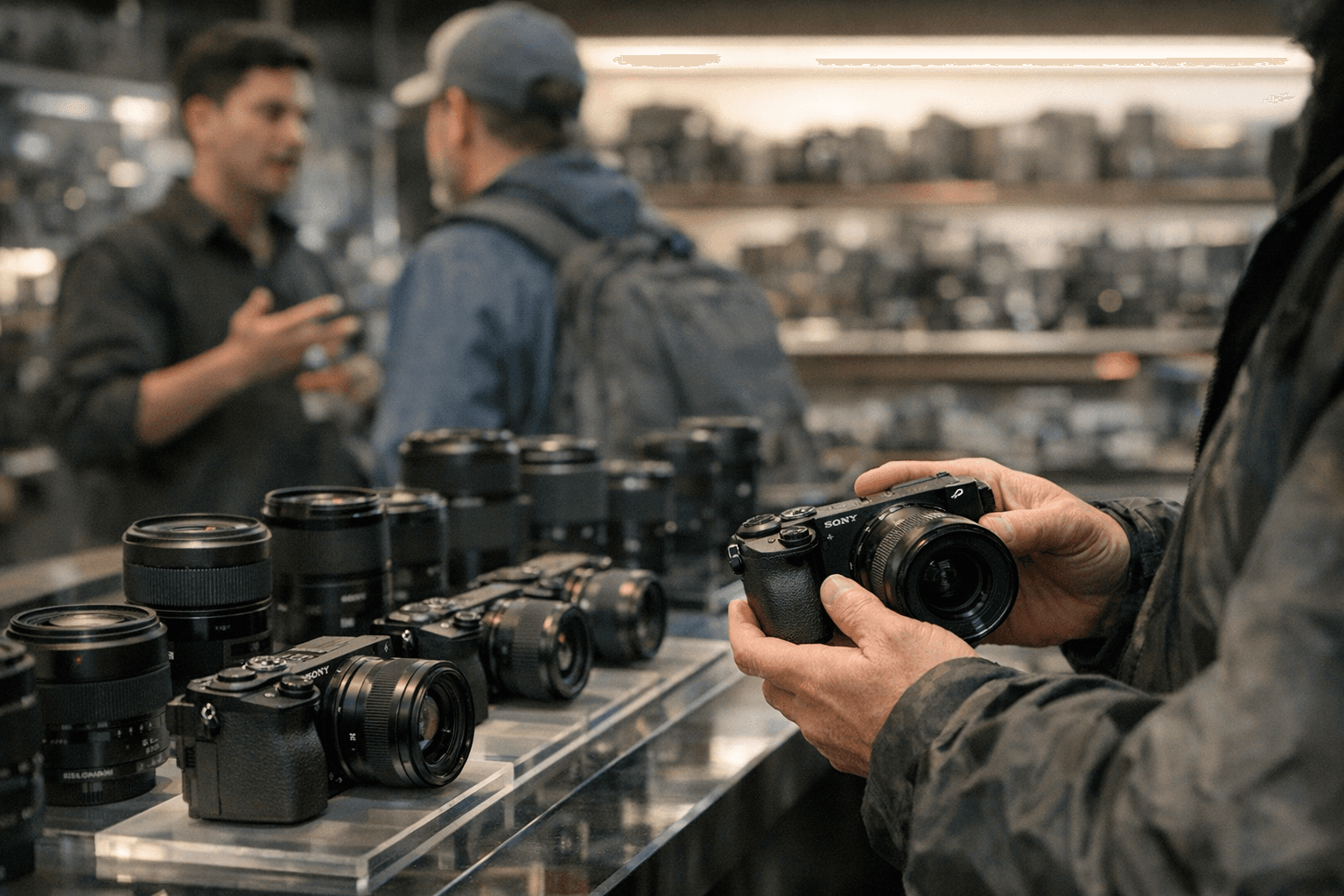
Sony is pushing back hard against the idea that APS-C is just the cheaper lane under its full-frame Alpha banner. The company says APS-C remains a growing segment and that demand has steadily risen over the years, a message that matters most to photographers who want interchangeable lenses without full-frame prices, size, and system costs.
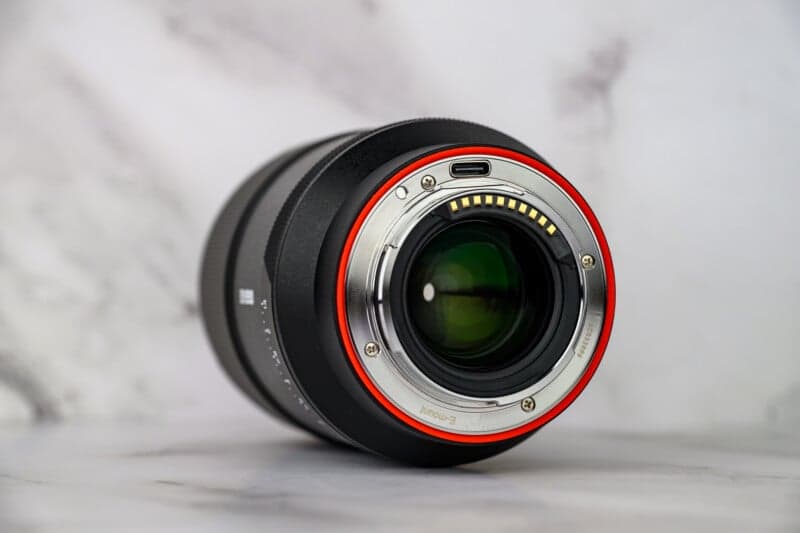
The case looks stronger than it does at most big camera brands. Sony’s current APS-C lineup now spans five Alpha bodies, the ZV-E10 II, ZV-E10, a6100, a6400, and a6700, backed by 15 APS-C E-mount lenses and two converters. That is not a token shelf. It is a real system, with enough native glass to support buyers who want a compact body today and room to build later without immediately jumping formats.
That long game has been visible since the α6700 arrived on July 12, 2023, when Sony called it its most advanced APS-C mirrorless camera to date and said it would keep expanding the APS-C lineup for a diverse range of creators. Sony repeated that signal on July 10, 2024, with the ZV-E10 II, the second generation of the top-selling ZV-E10, which Sony had already described as a staple APS-C camera in its ZV content-creation series. Since that launch, Sony has still shipped four new full-frame Alpha cameras, which shows the company is not treating APS-C as a replacement for full frame, but as a second active track.
That matters because buying decisions in this segment are often made on total system value, not sensor prestige. A lighter crop body with a credible lens roadmap can be enough for travel, street work, student use, and hybrid shooting, especially when the alternative is a more expensive full-frame body plus pricier lenses. Sony’s pitch is that APS-C is no longer a dead end you outgrow on the way to something better.
Retail data gives that argument some weight. BCN+R’s 2025 Japan rankings placed the ZV-E10 II second, the ZV-E10 fourth, the a6400 fifth, and the full-frame a7C II eighth, a reminder that Sony’s crop-sensor cameras are still moving in the market. Sony’s Annual Report on Form 20-F for the fiscal year ended March 31, 2025, filed on June 23, 2025, did not break out APS-C sales, so the company is still asking buyers to read its confidence through product cadence, lens support, and rankings rather than segment-by-segment numbers. For hobbyists weighing where to spend, that is the real test: Sony is treating APS-C like a system it expects to keep growing.
This article was produced by Prism’s automated news system from verified source data, official records, and press releases, then run through automated quality and moderation checks before publishing. The system is built and supervised by the people who set the standards it runs under. Read our full AI policy.
Did this article answer your question?