Sony RX10 V revives the premium super-zoom bridge camera
Sony brought back the RX10 after nearly nine years, adding AI AF, 30 fps bursts, and 4K 120p to a 24-600mm bridge camera built for travel and wildlife.
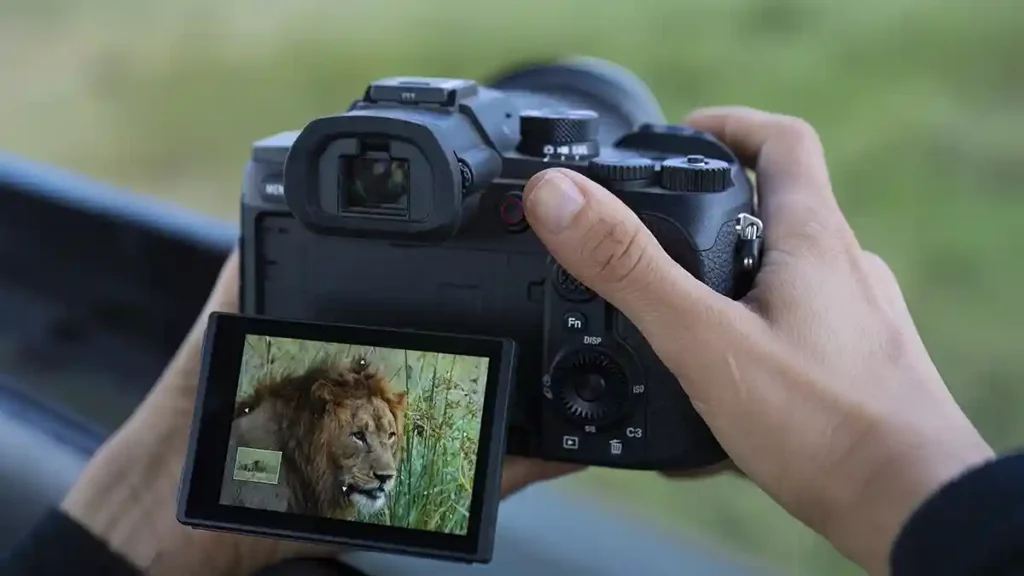
Sony announced the RX10 V on July 9, putting a premium super-zoom bridge camera back on the table after nearly nine years without a new model in the line. Sony describes it as the fifth generation of its RX10 all-in-one series, and the pitch is unchanged in the most important way: one body, one lens, and enough reach to cover landscapes, wildlife, and some sports without a lens bag.
The core hardware stays aimed squarely at shooters who want range without the system-camera tradeoff. The RX10 V uses a ZEISS Vario-Sonnar T* 24-600mm equivalent lens with 25x optical zoom and an f/2.4-4.0 aperture, paired with a 20MP stacked Type 1 sensor. That puts it in rare company for travelers and field shooters who want a camera that can go from a wide establishing frame to long telephoto in a single twist of the zoom ring.
What pushes the RX10 V past simple nostalgia is the processing. Sony added the Bionz XR processor and the AI processing unit from newer Alpha bodies, bringing subject recognition for birds, animals, cars, planes, and human pose estimation. Sony also says the camera uses AI-powered Real-time Recognition AF, and the body can shoot blackout-free bursts at up to 30 frames per second while the EVF refreshes at up to 60 fps. In practical terms, that makes the camera far more credible for erratic birds, fast action, and airshow passes than the old bridge-camera stereotype ever allowed.

Sony also leaned harder into hybrid use. The RX10 V records 4K at up to 120p with crop or 60p full width, and the launch material emphasizes 10-bit H.265 recording. The camera keeps microphone and headphone jacks and supports UHS-II SD cards, which puts it closer to serious creator gear than a throwback compact. Sony set early-August availability and a $2,300 recommended price, a steep ask but one that lands in the premium compact tier it is clearly targeting.
The comparison point is the RX10 IV, announced on September 12, 2017 with a $1,699 launch price and the same 24-600mm lens. The RX10 V does not change the formula so much as modernize it with the kind of autofocus, burst speed, and video specs that make a one-camera travel or wildlife setup feel less like a compromise.
This article was produced by Prism’s automated news system from verified source data, official records, and press releases, then run through automated quality and moderation checks before publishing. The system is built and supervised by the people who set the standards it runs under. Read our full AI policy.
Did this article answer your question?