UK Amateur Photographer Wins Wildlife Photo People’s Choice Award
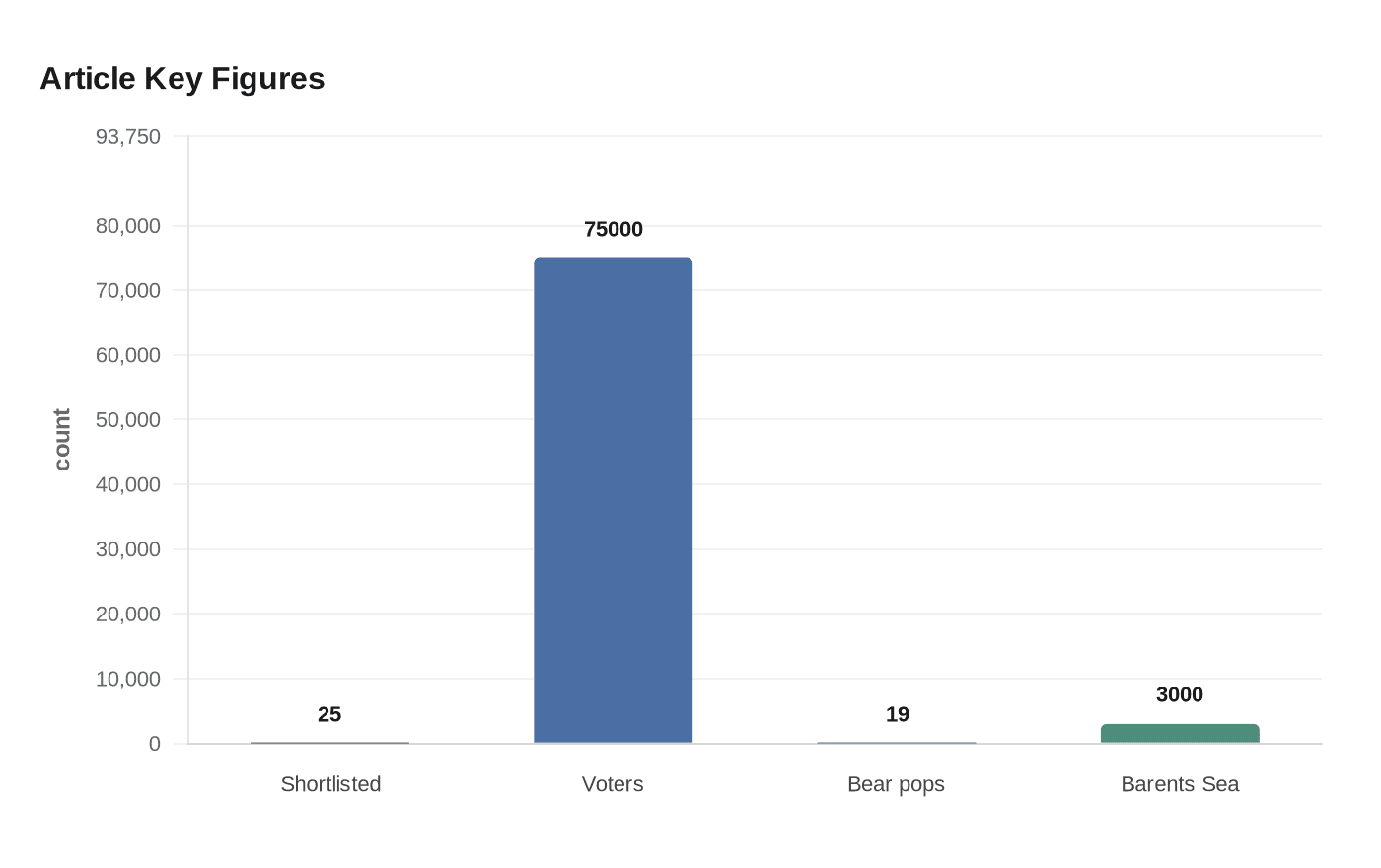
A sleeping polar bear on a tiny iceberg won 75,000 public votes, beating 24 finalists with a frame that was simple, quiet, and instantly readable.
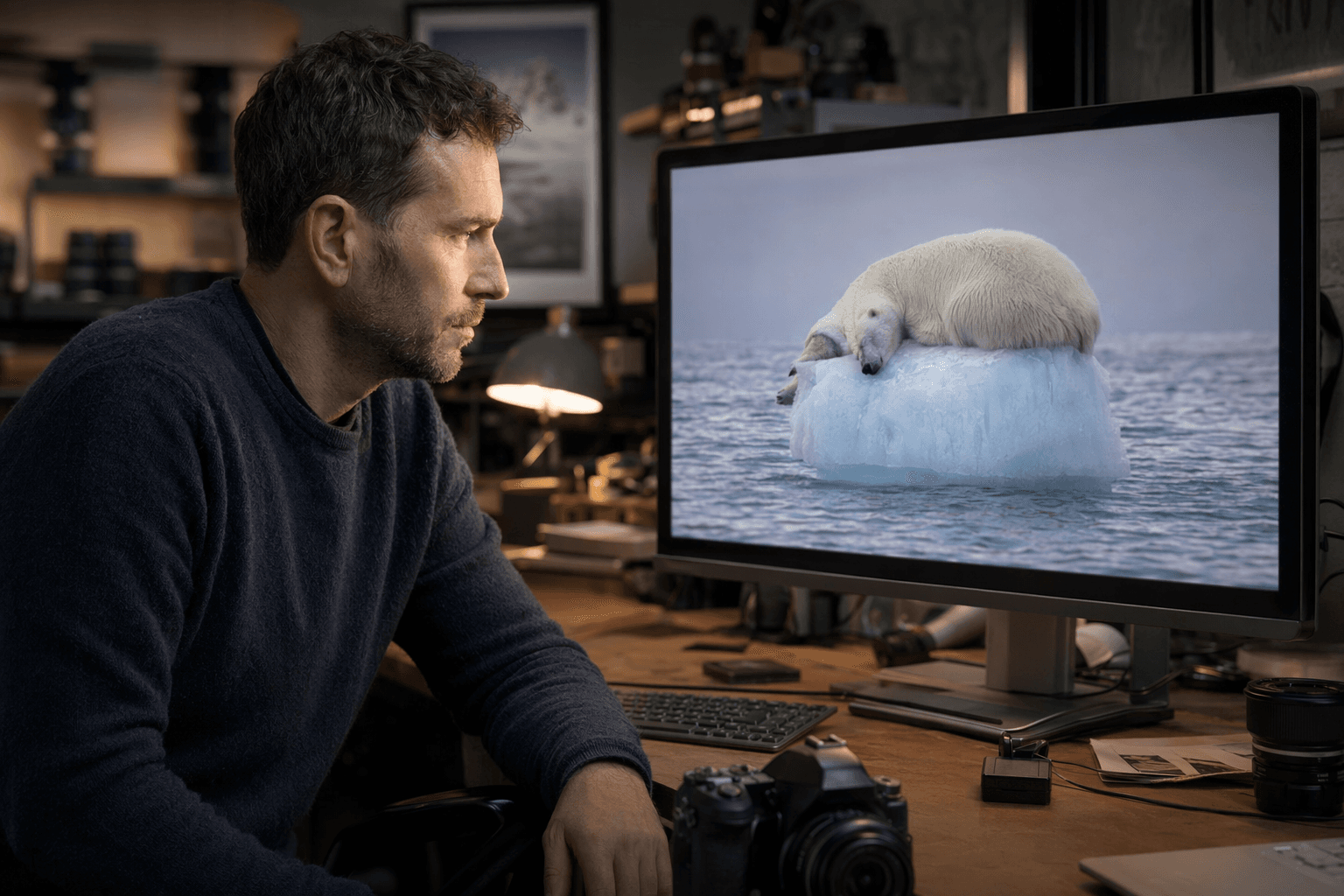
Nima Sarikhani’s Ice Bed did not win the Wildlife Photographer of the Year People’s Choice Award by loading the frame with action. It won by doing the opposite. The UK amateur photographer’s image of a young male polar bear curled into a bed on a small iceberg in Svalbard took the top public vote from 25 shortlisted photographs, after a record 75,000 people weighed in on the contest. The result is a reminder that in wildlife photography, clarity can beat complexity every time.
The photograph was made off Norway’s Svalbard archipelago after Sarikhani spent three days searching for polar bears aboard an expedition vessel. Thick fog forced the ship to change course toward remaining sea ice, where it encountered two male bears. The younger animal eventually climbed onto a small iceberg, carved out a sleeping spot, and drifted off just before midnight under the midnight sun. That sequence gave the final image its power: a fleeting behavioral moment, a clean subject, and a setting that feels both intimate and remote.
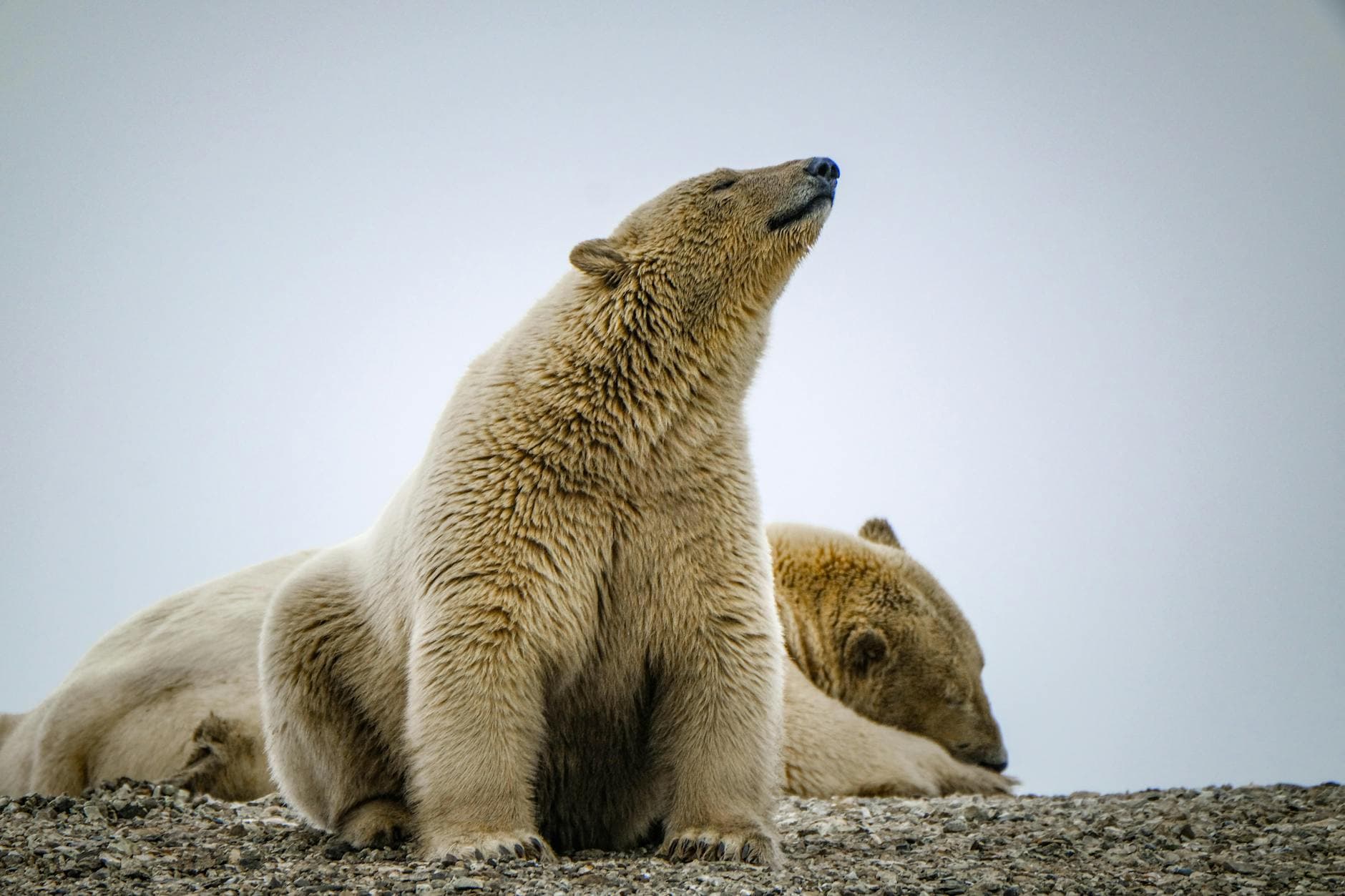
What makes Ice Bed stand out is its composition. The bear sits isolated against a spare, bright field of ice and water, with no clutter to slow the eye. The picture reads in a single glance: survival, vulnerability, and stillness. That emotional directness likely matters as much as the technical execution. In a public vote, viewers do not have to decode a dense frame or study a complicated scene for long. They respond to images that communicate immediately, and this one does exactly that.
The photograph also carries a harsher subtext. The Natural History Museum said the image reflects the beauty and fragility of the planet, and links the bond between animals and habitat to climate warming and habitat loss. Svalbard is home to one of the world’s 19 polar bear populations, and the broader Barents Sea population is thought to number about 3,000 bears. The region has warmed by 3-5°C since the 1970s, while sea ice thickness and extent have fallen dramatically. That makes the sleeping bear feel less like a postcard and more like a warning.
For photographers, the lesson is practical. Watch for behavior, not just species. Work a scene until the subject does something that explains itself. Keep the frame clean enough that the viewer never has to ask where to look. And when the light, weather, and timing finally line up, wait for the moment when the animal’s body language tells the whole story. Sarikhani’s image succeeded because it turned all of that into one quiet, unforgettable frame.
This article was produced by Prism’s automated news system from verified source data, official records, and press releases, then run through automated quality and moderation checks before publishing. The system is built and supervised by the people who set the standards it runs under. Read our full AI policy.
Did this article answer your question?