Wildlife Photographer of the Year fans choose winning nature images
Ian Wood’s badger and Josef Stefan’s lynx won over record crowds, but the real story is how patience, timing and distance turned fleeting behavior into prize-winning frames.
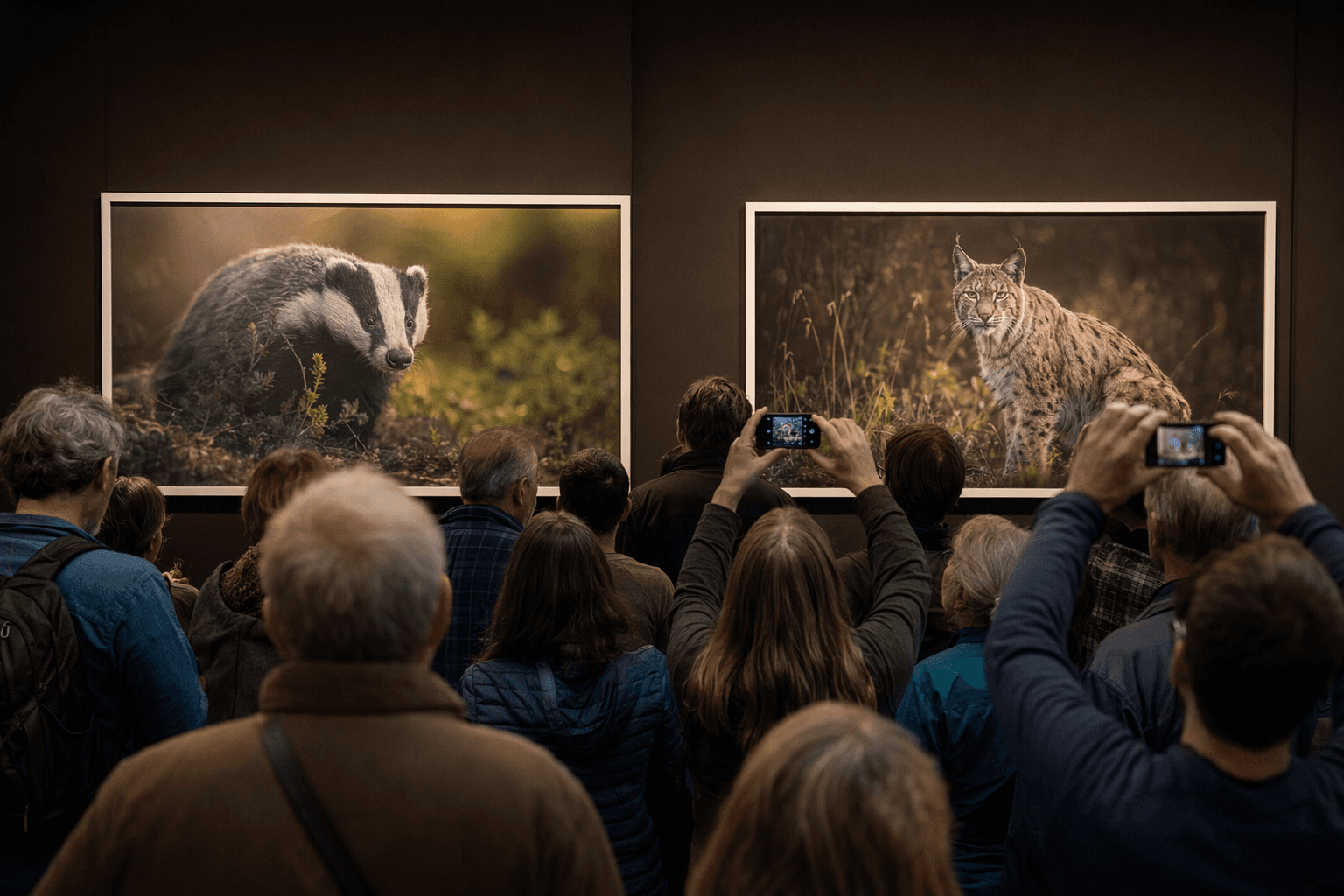
A badger pausing under a sweep of graffiti and an Iberian lynx caught mid-stride are the kind of wildlife frames that make the Wildlife Photographer of the Year People’s Choice Award feel less like a popularity contest and more like a fieldcraft lesson. Ian Wood’s No Access and Josef Stefan’s Flying Rodent both reward the same skills hobbyists chase on every birding walk: wait for behavior, keep your distance, and stay ready for the one clean moment when subject and background lock together.
The numbers behind the vote explain why these images travel so far. Run by the Natural History Museum in London, Wildlife Photographer of the Year is now in its sixth decade and the museum says it draws more than 60,000 entries each year. The 2025 competition was selected from a record 60,636 entries from 113 countries and territories, and the public vote drew more than 76,000 votes. The following cycle pushed that again, with the 2026 Nuveen People’s Choice Award gathering a record 85,917 votes from wildlife photography and nature fans around the world.
Wood’s winning frame works because it is not just a record of an animal, it is a moment of context. The badger in St Leonards-on-Sea, England, glancing up at familiar graffiti, gives the image a strong sense of place without crowding the frame. That is the lesson for anyone heading out with a telephoto: do not rush to fill every inch with fur or feathers. Leave enough of the scene to show where the animal lives, and wait for a gesture, a look, or a head turn that changes a static sighting into a story.
The same idea runs through recent winning images highlighted by photographers such as Ivan Ivanek and Jess Findlay, where intimacy comes from restraint rather than access. The best wildlife pictures do not require impossible proximity; they require reading behavior, anticipating movement, and staying patient long enough for the subject to relax into the frame. What looks effortless in the finished print is usually the result of standing still for much longer than most people would.
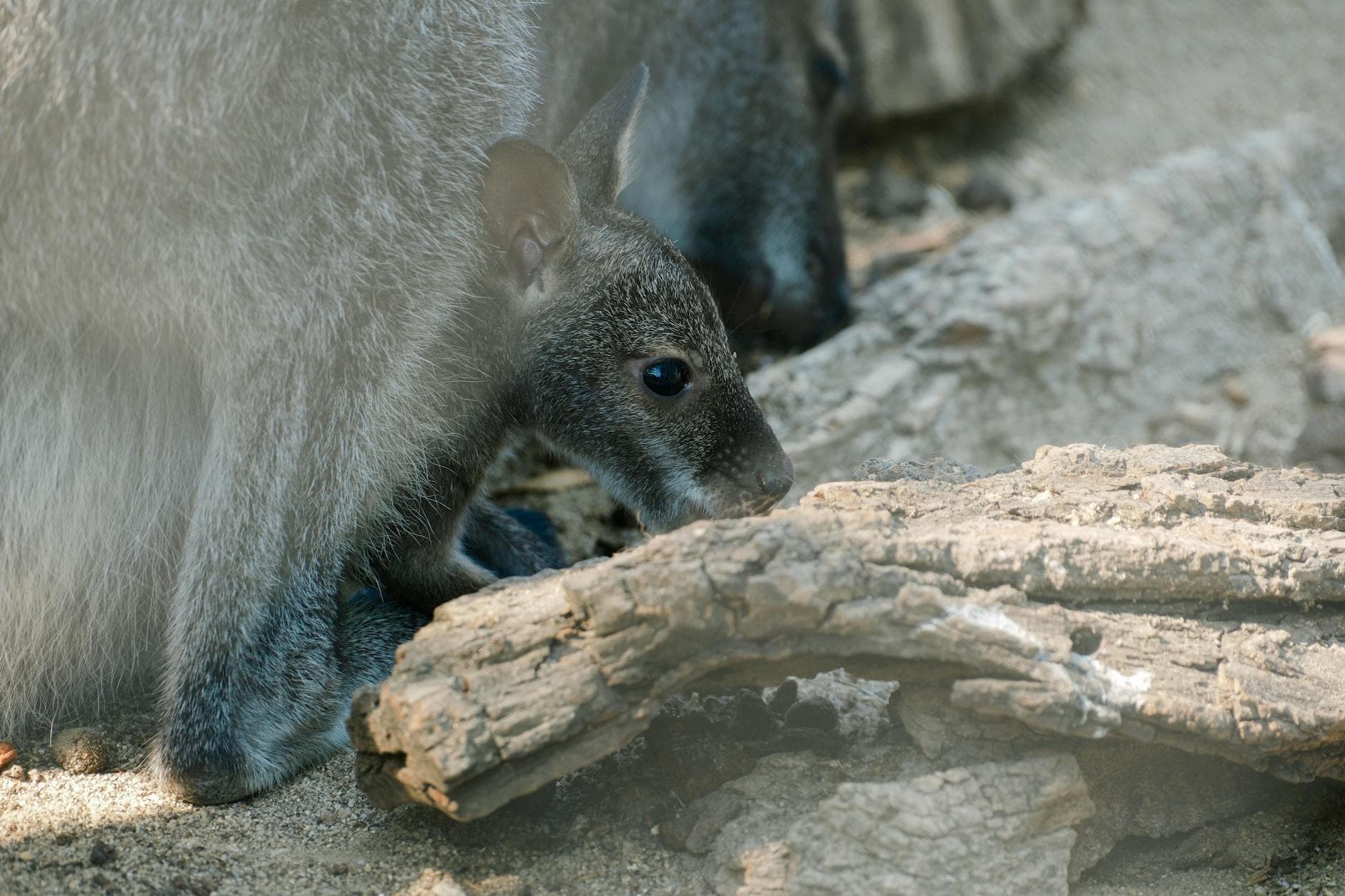
That approach also explains why the competition keeps stretching beyond trophy images. The museum says the contest is meant to advance scientific knowledge, spread awareness of important issues, and nurture a global love for nature, which is why earlier People’s Choice shortlists have included chimpanzees, crabs, sengi, sloths, spinner dolphins, otters and jellyfish. The 2025/2026 exhibition at the Natural History Museum in London runs until 12 July 2026, and the public-vote winner now sits inside it as proof that the sharpest wildlife photography often begins with patience, not luck.
This article was produced by Prism’s automated news system from verified source data, official records, and press releases, then run through automated quality and moderation checks before publishing. The system is built and supervised by the people who set the standards it runs under. Read our full AI policy.
Did this article answer your question?