Decatur’s new pickleball center turns play into a community hub
Decatur’s indoor pickleball center is already pulling in all ages, daily play, and events, showing how a court facility can become a true social hub.

Decatur’s indoor pickleball center at Point Mallard Park is doing something that every retreat operator wants but few venues pull off cleanly: it has become a place people return to for the game, the routine, and the atmosphere around both. The Jimmy Johns Pickleball Center, also identified in city materials as the Jimmy Johns Tennis and Pickleball Center, is regularly full, and the mix inside the building is exactly what makes it matter to the community, competition, laughter, and a steady flow of players treating the courts like part of daily life.
A public facility built to feel active, not exclusive
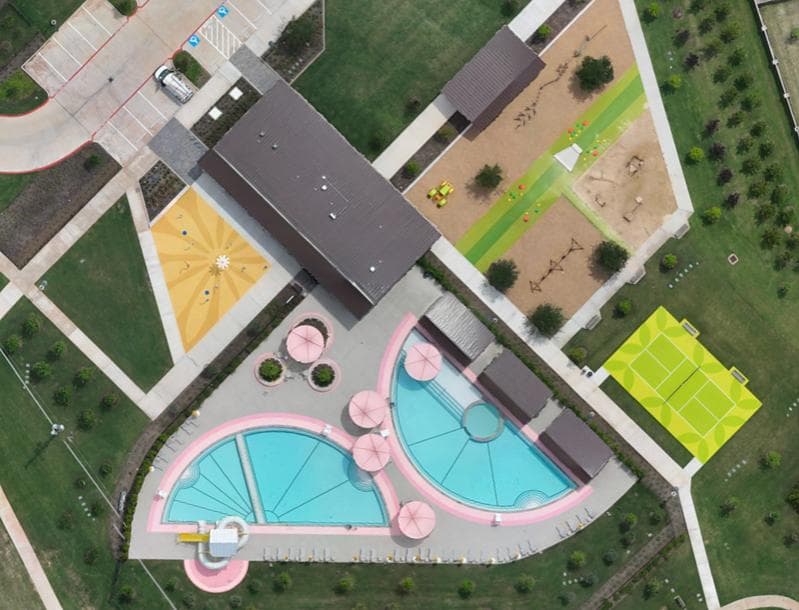
Decatur Parks & Recreation already maintains multiple pickleball courts across the city, including at T.C. Almon Recreation Center and Wilson Morgan Park, and Point Mallard Park is now the newest and most visible part of that network. City officials have been open about wanting a bigger pickleball footprint, and the addition of a brand-new multi-court facility at Point Mallard Park gives that plan a physical centerpiece. The result is a facility that feels less like a specialty add-on and more like civic recreation infrastructure.
That matters because the center was never designed as a small niche room with a few temporary lines. Local coverage describes it as a roughly $3 million project, while another report placed the investment at $2.6 million for a 15,000-square-foot build. Either way, the scale is unmistakable: 12 covered courts inside a ClearSpan structure, built to hold up when weather turns bad or when Alabama heat makes outdoor play miserable.
Built for repeat play, in any season
The details inside the building are what turn it from a headline into a habit. Decatur Parks & Recreation says the indoor facility at Point Mallard Park includes 12 covered pickleball courts with court dividers, industrial fans, heaters, and a new restroom facility on-site. That combination gives players the kind of comfort that keeps sessions going year-round, not just when the forecast cooperates.

The city’s operating schedule reinforces that same idea. Summer hours were reported as 7 a.m. to 1 p.m. and 4 p.m. to 9 p.m. Monday through Saturday, with Sunday play from 1 p.m. to 6 p.m., and a daily closure from 1 p.m. to 4 p.m. Those hours create a pattern that serves both the early crowd and the after-work crowd, which is exactly why the center can draw players at different times of day instead of depending on a single peak window.
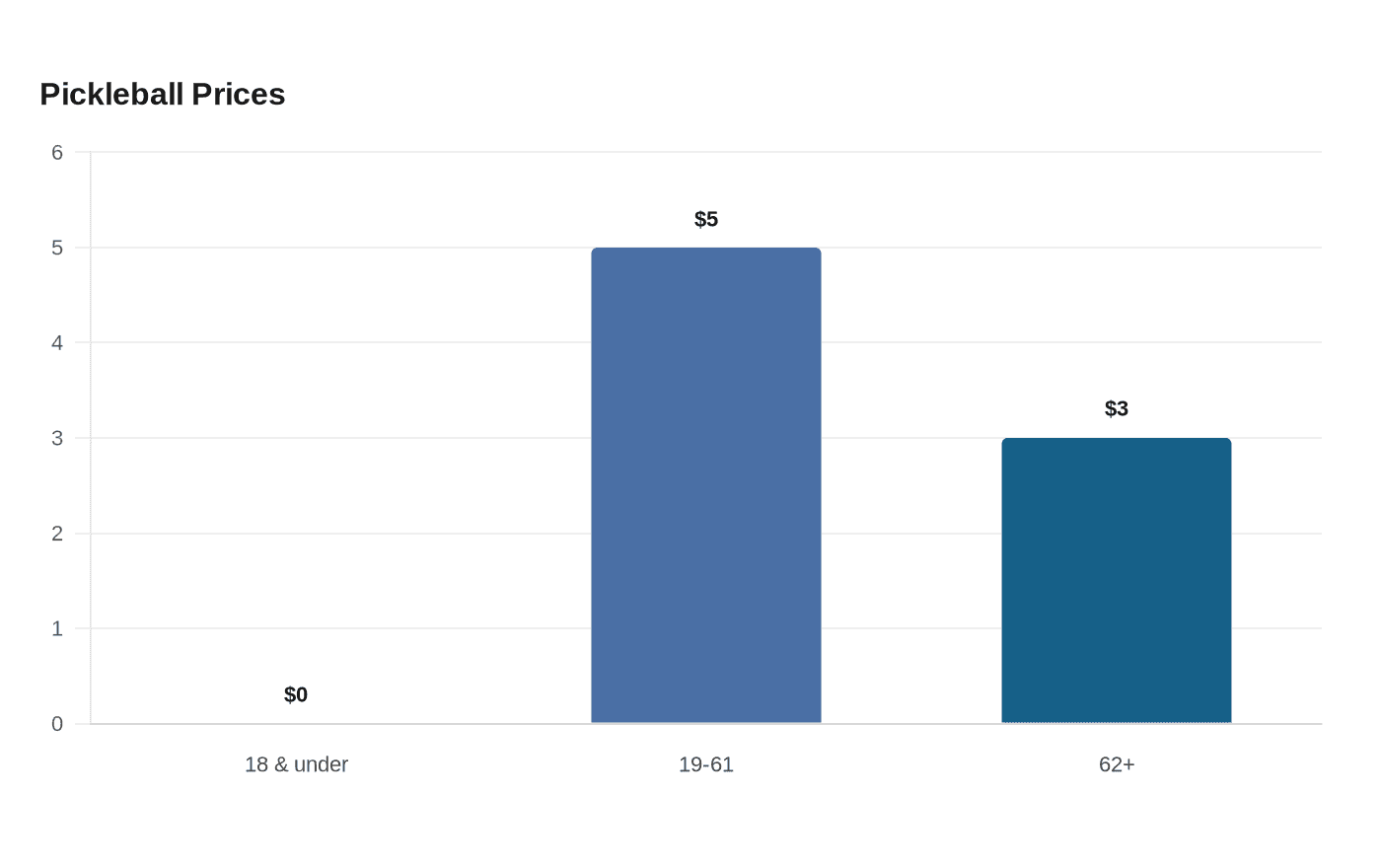
Pricing also keeps the door open. Local coverage says play is free for ages 18 and under, $5 for players 19 to 61, and $3 for those 62 and older. Decatur Parks & Recreation also says the facility accepts only cashless payments, a practical detail that fits a public recreation setting designed for quick, steady turnover rather than club-style friction.
How Decatur turned courts into a social anchor
The strongest sign that this center has become a community hub is not just that people are playing, it is who is showing up and when. The Decatur piece says residents of all ages are arriving early in the morning and again in the evenings, a pattern that suggests pickleball has been woven into the city’s daily rhythm. That is the kind of repeat-player culture retreat destinations try to create, because it keeps energy high long after the first clinic ends.
The city’s broader vision helps explain why this works. A 2023 report said about $7 million of a larger $77 million recreation package was earmarked for Point Mallard upgrades, and Mayor Tab Bowling was quoted saying, “The mayor has now started playing Pickleball, so we will have a state-of-the-art pickleball facility coming.” That line captures the local momentum behind the project, not as a one-off trend but as a supported piece of public recreation planning.
For retreat-style programming, the lesson is clear: the best draw is not just court availability, it is a setting that feels social from the moment people walk in. Decatur’s center does that by putting competition in the same room as laughter, by making the venue accessible across age groups, and by offering enough infrastructure to keep people on site instead of scattering after a single match.
Programming keeps the building busy beyond open play
The center’s flexibility is part of its real value. Local coverage says the nets and posts can be removed, which means the space can double as an event venue when pickleball is not the only thing happening. That versatility gives Point Mallard the kind of off-court utility that retreat destinations can copy when they want guests to stay engaged between sessions.
That event potential is already showing up in the schedule. The Point Mallard Pickleball Classic is listed as a covered-courts, rain-or-shine event, a reminder that the building is now part of organized play, not just casual drop-in traffic. In April 2026, the Rotary Club of Decatur Daybreak also used the new center for a full-day pickleball fundraiser, which shows how quickly the facility moved from opening-day novelty to community venue.
The best endorsement may be the simplest one from a local player who said he liked the new Point Mallard courts because “the bounce is true.” That comment speaks to the quality of the playing surface, but it also hints at why the center works so well overall: players trust the courts, trust the setting, and keep coming back.
Decatur’s new pickleball center shows what happens when courts are paired with the right mix of scale, access, and programming. It is not just a place to hit balls, it is the kind of public space where routine forms fast, events have a home, and a sport starts to feel like part of the city’s social fabric.
This article was produced by Prism’s automated news system from verified source data, official records, and press releases, then run through automated quality and moderation checks before publishing. The system is built and supervised by the people who set the standards it runs under. Read our full AI policy.
Did this article answer your question?