How to Evaluate Pickl
Seven concrete criteria separate a transformative pickleball retreat from an expensive vacation — coach-to-player ratio is the one most players overlook until it's too late.
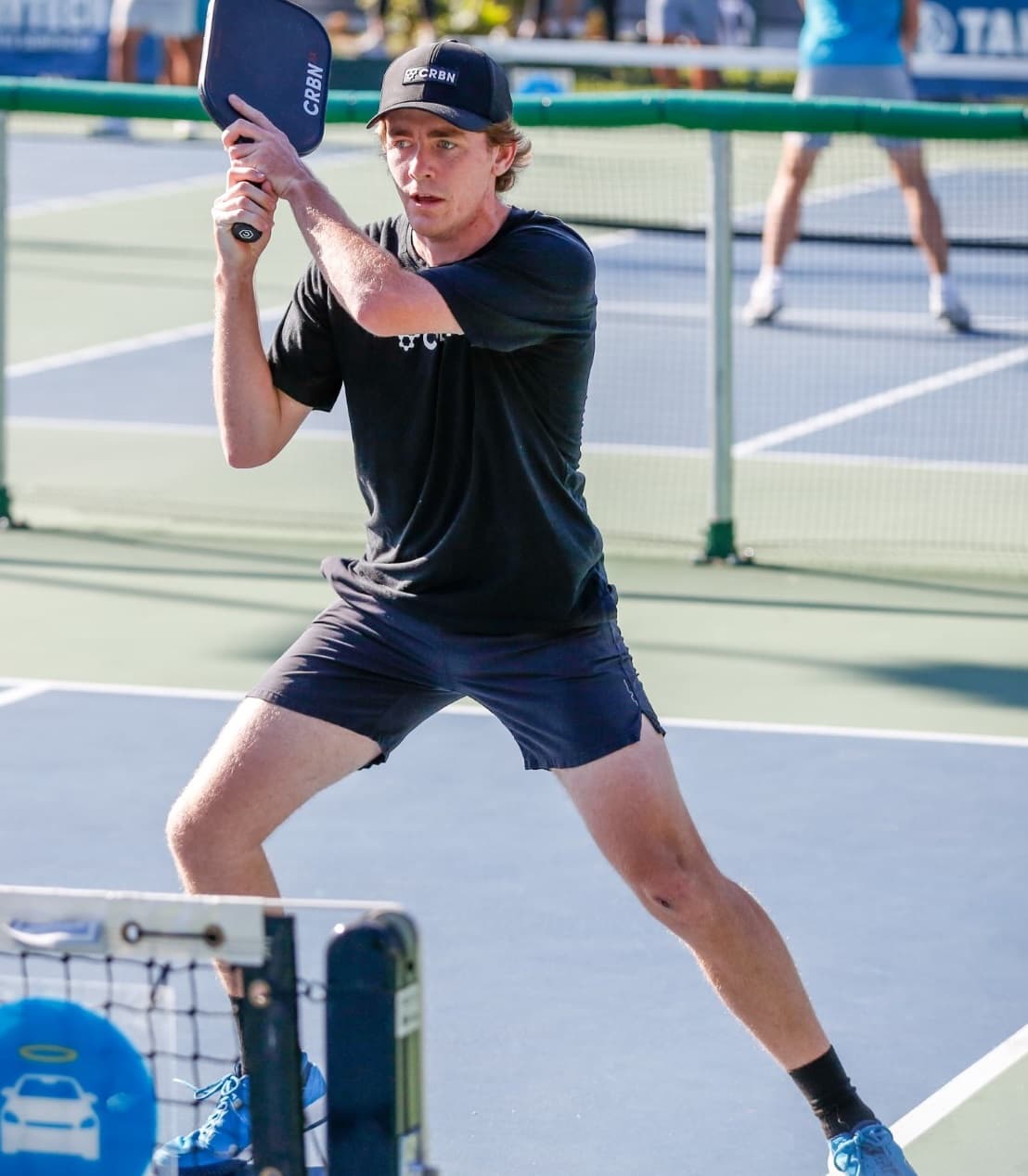
The difference between a retreat that genuinely upgrades your game and one that delivers a few casual rallies beside a resort pool often comes down to seven specific criteria. Successful operators running coach-led pickleball getaways in 2026 are building programs around all seven; the ones that cut corners on even two or three of them tend to surface quickly on waitlist forums and social groups. Before booking anything, run every retreat you're considering through this framework.
Coaching Credentials and Coach-to-Player Ratio
The single most predictive factor in on-court improvement is how many players each coach is responsible for during a session. Look for retreats that publish named coaches with verifiable credentials: certifications, tournament history, and documented coaching experience. A ratio of 1 coach per 6 to 10 players is the practical threshold for meaningful, personalized feedback. Above that number, instruction inevitably becomes group demonstration rather than individual correction. If an operator's website lists "experienced coaching staff" without naming anyone or specifying ratios, that vagueness is itself useful information.
Clinic Structure and Measurable Outcomes
Strong retreats publish a clear daily structure rather than a vague block labeled "pickleball time." The gold standard builds each day around a progression: warm-up, skill clinic, targeted drills, match play, and structured recovery. What separates genuinely effective programs from social weekends is the inclusion of measurable components: video analysis of your strokes, pre- and post-retreat skill checks, and written drill takeaways you can continue practicing at home. If a retreat's marketing material describes the experience entirely in terms of destination and amenities, with no specifics on what you'll actually work on, the coaching content is likely secondary.
Court Quality and Playing Conditions
Not all court time is equal. Indoor vs. outdoor courts, surface type (sport-court, Har-Tru, or cushioned concrete), lighting quality, and wind exposure all affect how effectively you can drill and compete. The most important question is whether the retreat operator controls private court access or relies on public walk-on slots. Private court time is a material advantage: it allows coaches to run structured progressions without interruption, control pacing, and set up drills that require the full court. An operator who cannot confirm exclusive court access for the duration of your stay is an operator who cannot fully guarantee the program they're advertising.
Recovery and Wellness Integration
The retreats generating the strongest player engagement combine on-court intensity with structured recovery. Multi-day training at any skill level creates cumulative physical stress, and the operators who understand this build in sports massage, mobility sessions, and conditioning work as part of the program rather than as upsell add-ons. Players aiming to maximize technical gains in a short stay should specifically ask whether recovery protocols are guided and scheduled, or simply available if you seek them out independently. The distinction matters enormously by day three.
Equipment Access and Demo Opportunities
For hobby players making gear decisions, a retreat that offers paddle demos, on-site equipment expertise, or manufacturer partnerships delivers value well beyond the court hours. The key questions to ask: Are demo paddles available? How many distinct models? Is there guided testing with structured feedback, or do you simply borrow a paddle and return it? Retreats that document their demo protocols and offer access to multiple models with coaching input during testing give you a rare opportunity to make an informed gear decision while simultaneously improving the skills that will tell you what a paddle actually does for your game.

Group Composition and Skill Grouping
Mixed-level groups can produce great social dynamics while actively limiting on-court development for players at either end of the skill spectrum. The most effective retreats group players by skill level or offer separate tracks: beginner, intermediate, and advanced. Before booking, confirm exactly how the operator assigns players to groups, whether you can request a skill assessment before arrival, and whether there's any mechanism for moving between tracks mid-retreat if placement turns out to be wrong. A program with no answer to these questions is likely running one undifferentiated group regardless of what its marketing suggests.
Price Transparency, Included Items, and Refund Policies
Full cost transparency means knowing precisely what is included: accommodation, meals, local transport, and the exact number of coached court hours. Operators who provide a clear line-item breakdown are demonstrating confidence in their product. Before any deposit, confirm the cancellation terms and force majeure policy. Given how often retreat dates shift due to weather, venue conflicts, or coach availability, the refund structure is not a minor administrative detail. It is a direct indicator of how the operator treats its customers when things don't go to plan.
Booking Tips and Red Flags
Early transparency is the clearest positive signal an operator can send. When coach bios and daily schedules are available before you ask for them, it means the program is built around those specifics rather than assembled after booking. Conversely, any operator that responds to direct questions about coaching credentials or drill breakdowns with generic reassurances should be treated with skepticism. Sold-out or waitlist status can indicate genuine demand and program quality, but it should prompt more scrutiny, not less. Request a full itinerary and a sample drill breakdown before making any payment.
How to Prioritize When Everything Matters
The practical decision process depends on what you're actually optimizing for. If fast technical improvement is the priority, weight the coach-to-player ratio and the presence of video analysis above everything else. If the retreat is primarily a travel experience with pickleball as the organizing theme, prioritize the destination, accommodation quality, and whether scheduled excursions are included. If both matter, target hybrid retreats that explicitly advertise small coaching groups alongside curated local experiences. That product profile is what the most successful 2026 operators are building, and it's the configuration most likely to satisfy players who refuse to choose between skill development and a genuine travel memory.
Players who care about gear decisions alongside their on-court development should specifically seek retreats that combine video analysis and coach feedback with paddle demo sessions featuring named models and documented testing protocols. The combination is still rare enough that when you find an operator offering it, it's a reliable marker of a program that has thought seriously about the full player experience rather than just filling court slots.
The seven criteria above function as a checklist, not a ranking. Every retreat you evaluate will have a different profile across them. The point is to know, before you pay, exactly where the tradeoffs are.
This article was produced by Prism’s automated news system from verified source data, official records, and press releases, then run through automated quality and moderation checks before publishing. The system is built and supervised by the people who set the standards it runs under. Read our full AI policy.
Did this article answer your question?