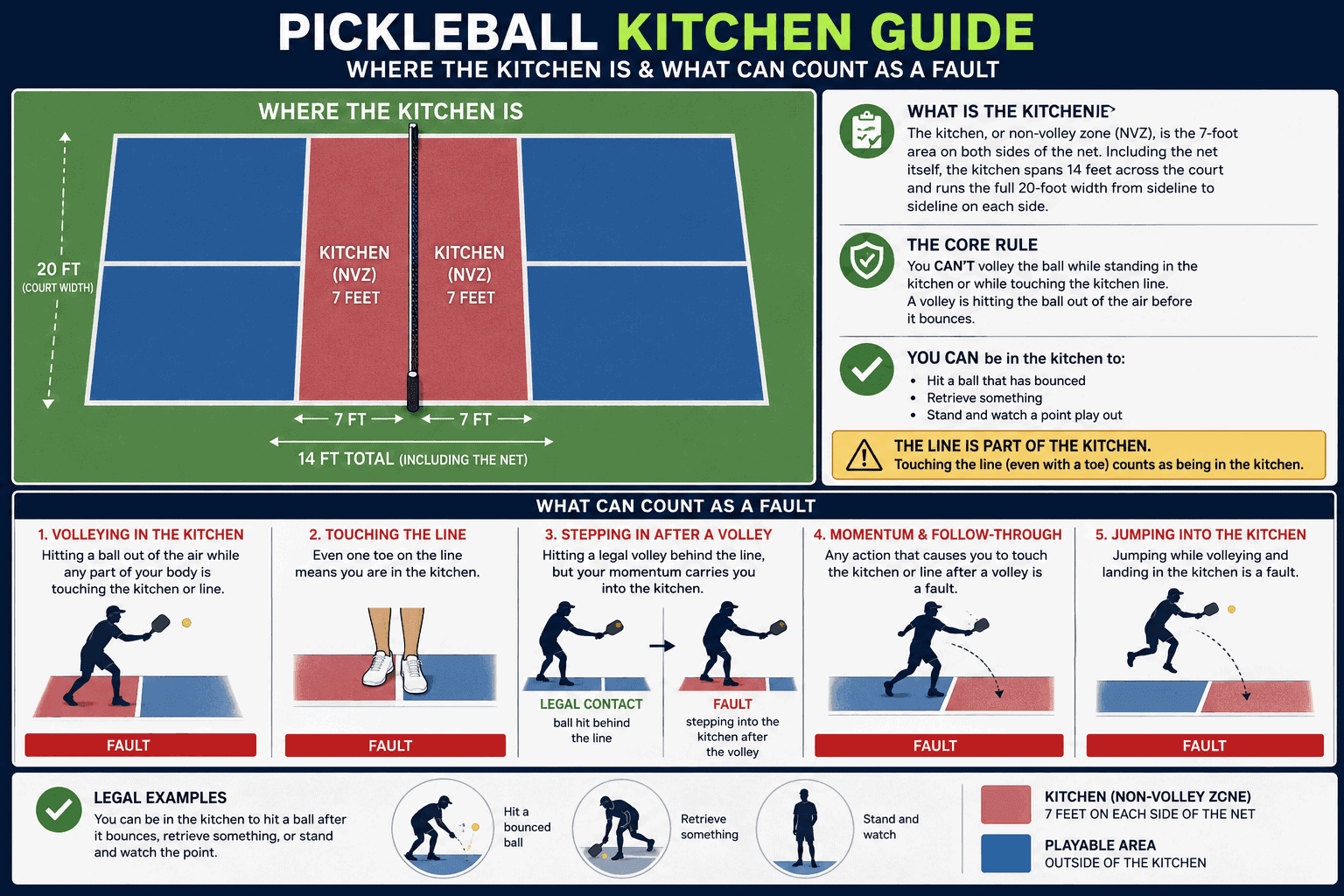
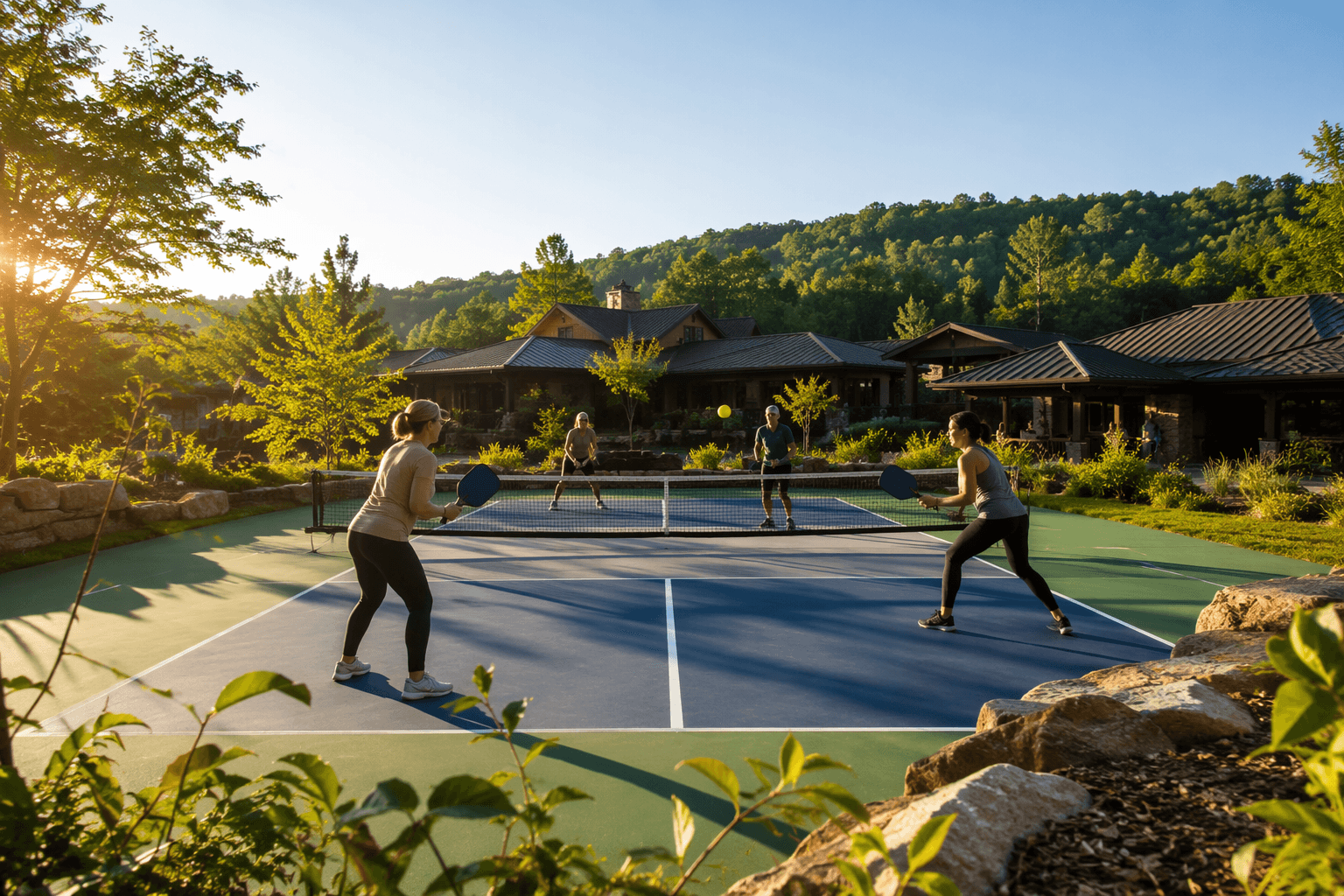
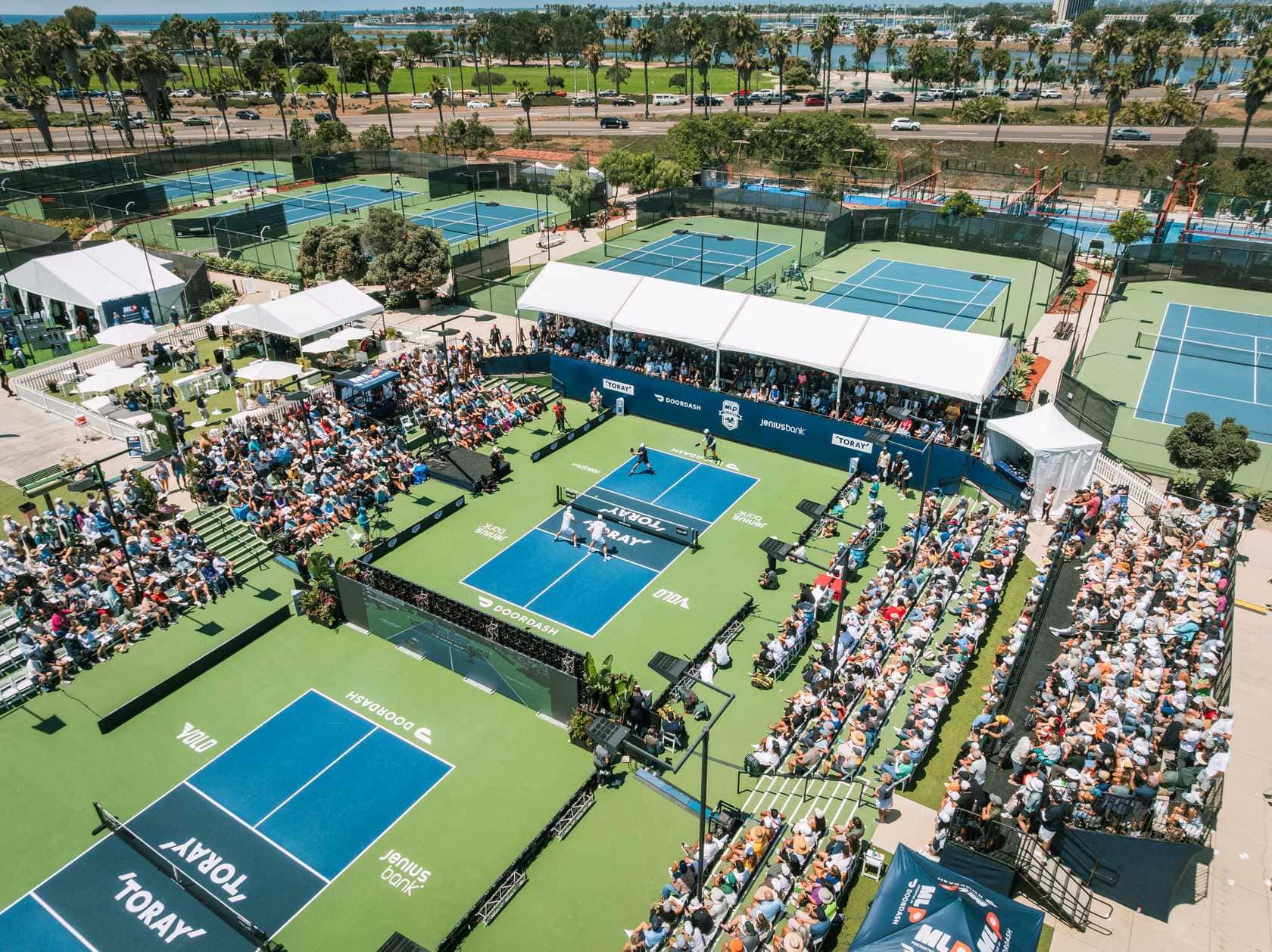
How to Plan Pickleball Retreats Around Coaching, Courts, and Connection
Build retreats around two hours of coached drills daily, a 1:8 coach-to-player ratio, and 4-6 courts in station rotation; 18,455 new courts were added in 2024, so secure courts 6–12 months out.
Quick verdict: tested conclusions that sell tickets
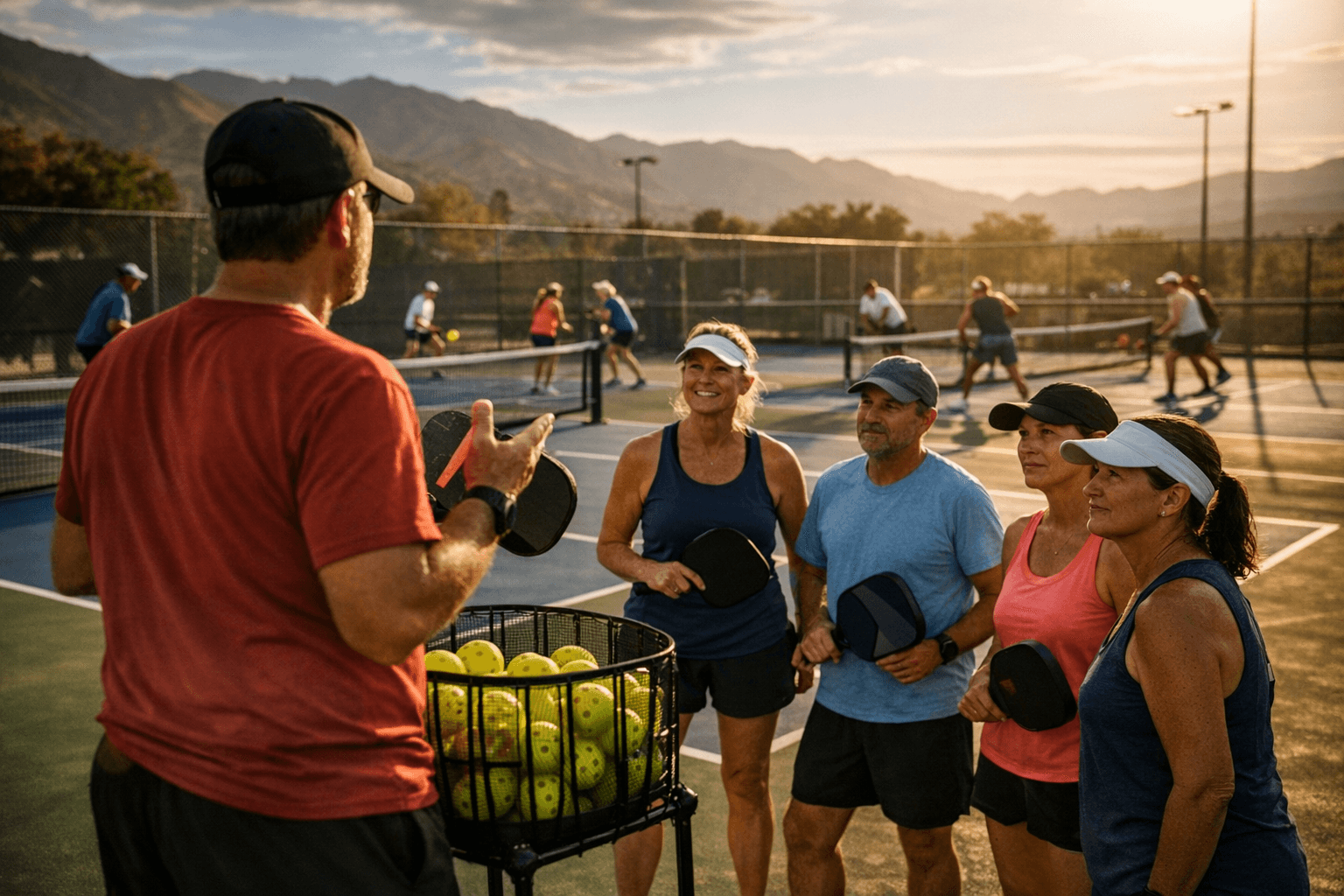
Retreats that sell reliably combine measurable coaching and easy social time: aim for at least two hours of organized instruction per day, reserve 20–30 percent of coach hours for private or semi‑private feedback, and staff at roughly 1:8 coach-to-player for balanced attention and scale. Those benchmarks map directly to what top operators use—La Quinta Resort & Club runs clinic-heavy stay-and-play programs, Dink Divas and Engage Pickleball advertise 3–4 day all-inclusive retreats, and pro-led travel operators such as Pickleball Getaways leverage star players like Ben Johns to justify premium pricing.
Core programming benchmarks
Quality retreats resolve two attendee promises: real, measurable improvement and time to build friendships. Use this concrete axis: 2 hours of structured coaching per day plus 1–2 hours of open or match play gives measurable gains without burnout. For a 24-player retreat, commit 2–3 courts to stationed drills and 1–2 courts to open play; if you can secure 4–6 courts, rotate stations for serve/return, movement and footwork, partner drills, and live point play. Industry data shows rapid facility growth but also supply pinch points—Pickleheads and USA Pickleball documented 68,458 known courts with 18,455 added in 2024—so court access is no longer guaranteed and must be treated as a primary constraint.
Staffing and coach ratios
Coach supply is the operational linchpin: certified networks are large—PPR and similar bodies count their members in the thousands—yet experienced certified coaches command premium rates. Use a baseline 1:8 coach-to-player ratio for general clinics: two certified coaches for 16 players and three for 24. For high-touch sessions, tighten to 4:1 or 6:1; research and clinic guidance (PlayRez, IPTPA recommendations) show those smaller ratios accelerate skill correction. Budget assumptions: employee-style instructors may be paid $20–$45 per hour by clubs, while independent pros commonly charge $50–$100+ per hour for private lessons. Reserve 20–30 percent of coach hours for private or semi-private sessions as both a satisfaction lever and a revenue stream.
Sample 4-day agenda with concrete benchmarks
Day 0: arrival and placement
Check-in with a 20-minute skills baseline and DUPR or coach-assigned placement, host a welcome reception and paddle demo table so attendees try options before match days. This quick baseline sets measurable expectations and feeds group assignments for Day 1.
Day 1: fundamentals and station rotation
Morning: two-hour coaching block split into four 30-minute stations (serve/return, movement/footwork, third-shot transition, partner drills) using 2–3 courts for drills and one court for supervised open play. Evening: 45-minute strategy talk and video highlight reel.
Day 2: tactical clinics and mini-tournament
Morning: pro-led tactical clinics focusing on third-shot transition and drop tactics, with video capture for player review. Afternoon: structured mini-tournament, with seeded matches to practice coached concepts—plan 1–2 hours of match play. Evening: social mixer and demo paddle happy hour.
Day 3: advanced application and review
Morning: advanced strategy and live point play with coach-to-player ratio tightened for corrections (target 4:1 during this block). Afternoon: playoff rounds, awards, and measurable progress check captured against the Day 0 baseline. Evening: awards dinner and VIP pro session option.
Day 4: recovery and departure
Optional yoga or mobility session, one final social hit, and checkout progress notes for marketing and testimonial capture. Overall coaching total: target 10–15 hours on-court instruction across the four-day window to match high-end stay-and-play offers.
Facilities, surfaces, and lighting that preserve stamina
Choose courts with cushioned surfaces where possible: vendors report roughly 15–20 percent impact force reduction on cushioned acrylic systems, which reduces fatigue across multi-day play. Lighting should meet roughly 30 foot-candles (~300 lux) for comfortable evening play; modern LED retrofits deliver energy savings and uniformity. Extras that matter: shaded courtside areas for instructors, secure equipment storage, nearby fitness/wellness offerings for recovery, and courtside benches to keep sessions moving on time.
Equipment demos and retail integration
Integrate paddle demos early, ideally Day 0 or Day 1, so attendees pick paddles that match coaching focus and tournament play. Brands and retailers run demo fleets—Selkirk, Gearbox, and major retailers commonly support in-person demo programs—so arrange manufacturer or retailer partnerships to reduce inventory headaches and add a retail revenue stream. A demo buyout or affiliate retail links create a clear incremental income line.
Pricing, revenue levers, and budget math
Packages sell in tiers: core, semi-private, and VIP. Public examples show a wide band—Engage Pickleball has listed four-day packages around $2,950, while Dink Divas markets all-inclusive four-day retreats in the low-to-mid thousands. Coach labor is a major expense: plan W-2 style clinic pay at $20–$45/hr or independent pro rates at $50–$100+/hr, and consider revenue share for star pros or pro appearances as a premium upsell. Monetize private lessons, paddle demo buyouts, VIP pro clinics, and retail.
- Secure court blocks 6–12 months before peak-season retreats, given rising court demand.
- Sign coach contracts that break out hours for group clinics, private lessons, and travel/overnight time.
- Prepare a demo paddle fleet and clear labeling system; schedule demo windows early.
- Build a registration form capturing skill level, DUPR or self-rating, and rental paddle requests.
- Draft a pre-arrival email sequence with packing tips, mobility work, and the Day 0 baseline check instructions.
Operational checklist and timeline
Why this mix works and the final point
Organizers who measure improvement and create easy social hooks win repeat business: concrete pre/post assessments, video clips of progress, and mini-tournaments create shareable content and testimonials. The format sells because it aligns with market realities—rapid participation growth and new court supply, large coach certification networks such as PPR, and traveler appetite for pro-led vacation packages. Close the operational loop with a progress check at checkout; that single metric converts satisfaction into repeat bookings and fills next year’s slots faster, which matters when 18,455 new courts were added in 2024 yet demand still outstrips convenient resort availability.
Conclude with a practical mandate: build your retreat around measurable coaching hours, a defensible coach-to-player plan, and a court-centered station design that respects recovery. Do those three things and you turn a destination weekend into a program players will pay a premium to return to.
This article was produced by Prism’s automated news system from verified source data, official records, and press releases, then run through automated quality and moderation checks before publishing. The system is built and supervised by the people who set the standards it runs under. Read our full AI policy.
Did this article answer your question?