Indoor Pickleball's $3 Billion Boom May Be Heading for a Shakeout
The indoor pickleball facility market, valued at roughly $3 billion, may be heading for a correction according to a new industry analysis.
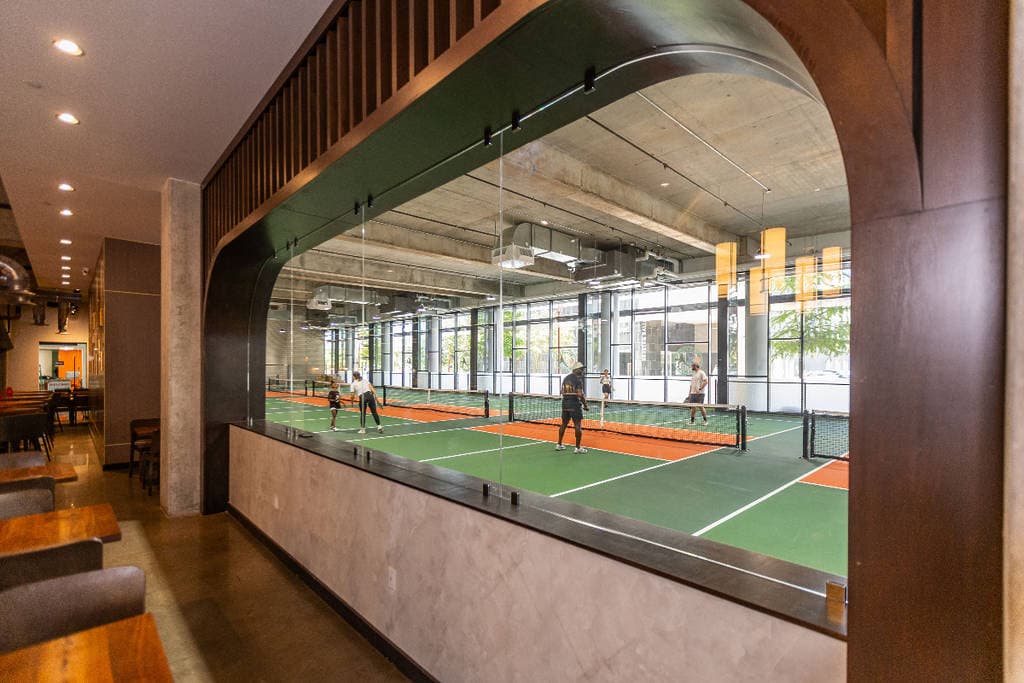
A $3 billion market built on the back of pickleball's explosive growth may be showing its first signs of strain. An analysis published by The Dink on March 18 argued that the massive wave of indoor pickleball facility construction and investment could be approaching a shakeout, a moment when overbuilt markets thin out and weaker operators get squeezed out.
The $3 billion figure accounts for both operating revenue and capital investment across indoor facilities nationwide, a number that reflects just how aggressively developers and entrepreneurs bet on the sport's staying power. Courts have been going up inside converted warehouses, former big-box retail spaces, and purpose-built complexes at a pace that seemed to match pickleball's near-vertical participation growth.
The Dink's argument centers on whether that pace was sustainable. Shakeouts are a normal feature of boom industries: too many competitors chase the same customers, margins compress, and the operators who survive tend to be the ones with the deepest pockets, the best locations, or the most differentiated programming. For indoor pickleball, the question is whether the sport's player base has grown fast enough to fill all that new court time, or whether some markets are already oversaturated.
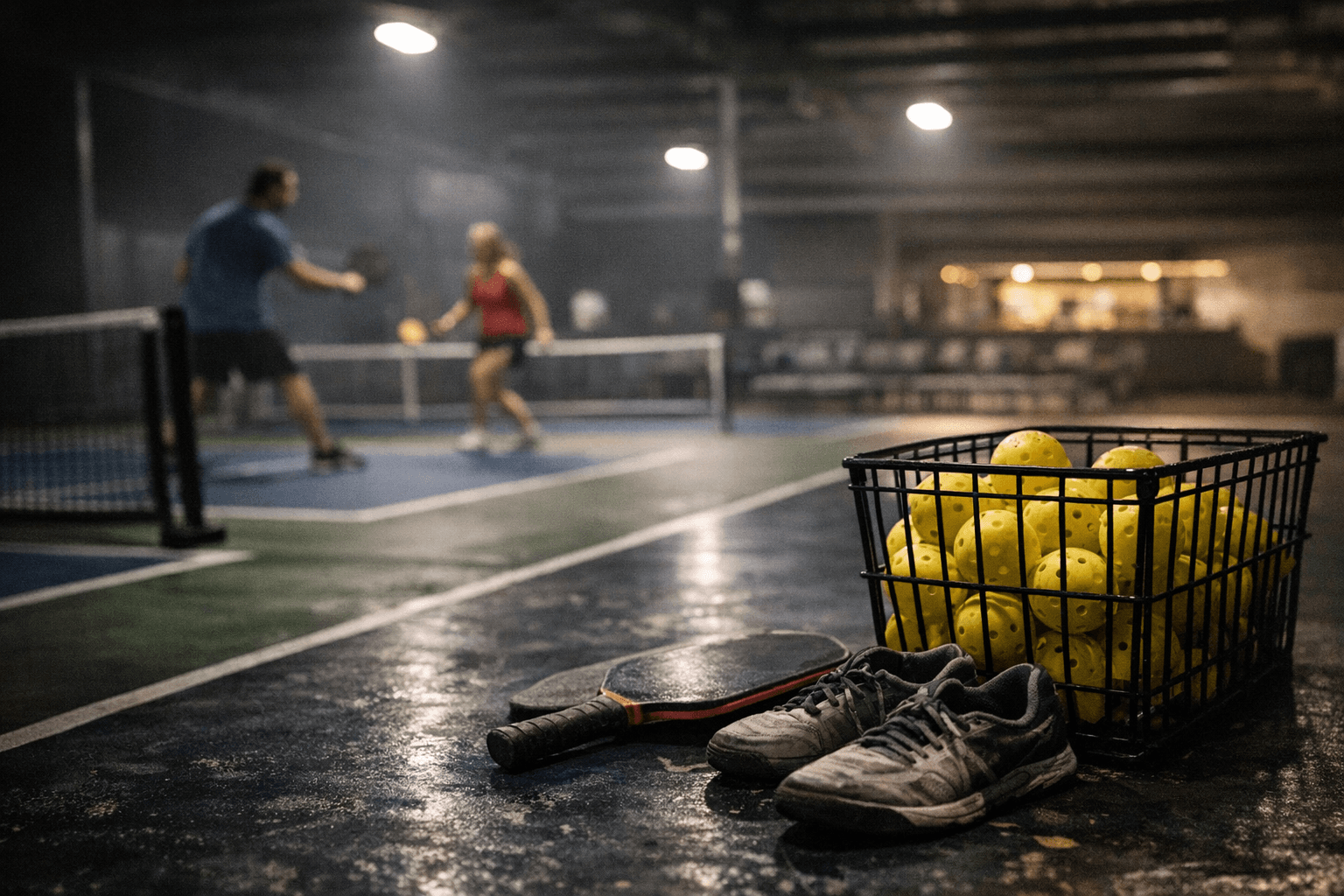
The timing matters for anyone planning a retreat or shopping for a home facility. Venues under financial pressure sometimes cut programming, reduce court availability, or close without much warning. A shakeout, if it arrives, will likely hit secondary markets harder than major metros where the player density can support multiple facilities.
The Dink's analysis does not predict collapse; it signals a transition from a land-grab phase to a survival-of-the-fittest phase. The $3 billion already committed to indoor pickleball isn't going anywhere overnight, but the operators running those facilities may look very different a year or two from now.
This article was produced by Prism’s automated news system from verified source data, official records, and press releases, then run through automated quality and moderation checks before publishing. The system is built and supervised by the people who set the standards it runs under. Read our full AI policy.
Did this article answer your question?