Pickleball Gains Ground in China as Fitness Policy Boosts Growth
China’s pickleball surge is looking less like a fad and more like a market test, with policy support, new courts and youth exchange pushing real urban demand.
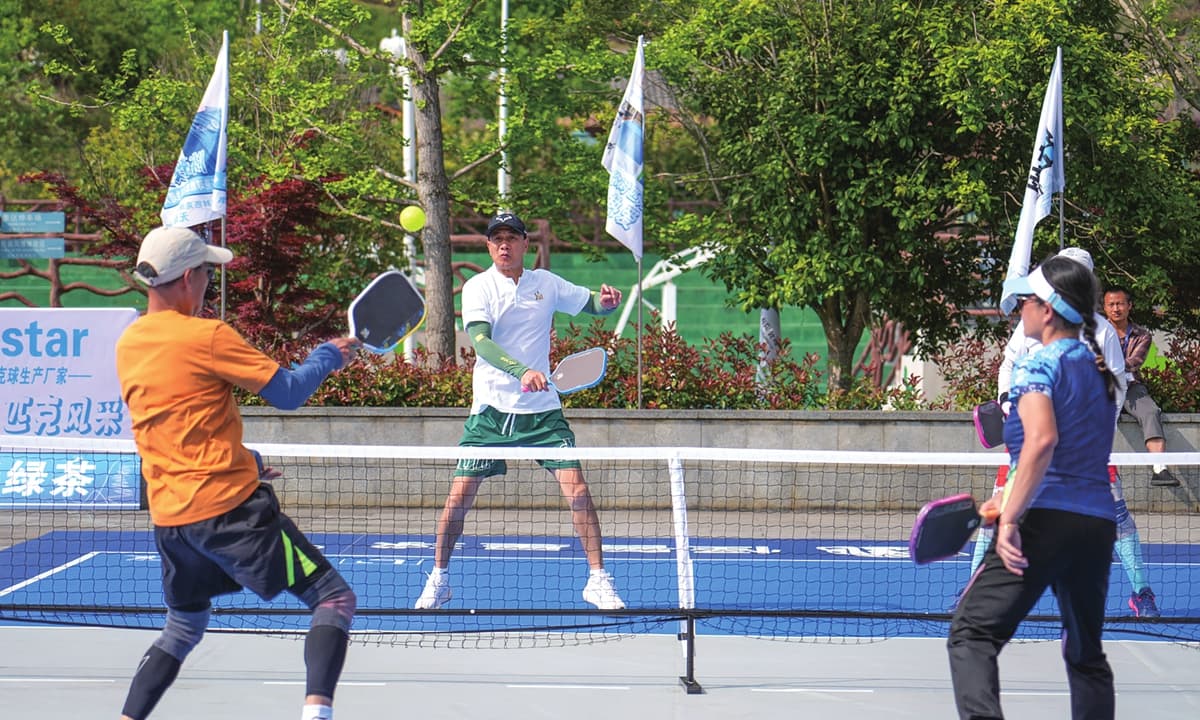
China’s pickleball inflection point
A white-collar worker in Chengdu named Yin Hongrun captures why pickleball is moving so fast in China’s cities. She says the gear is easy to carry, the learning curve is gentle, and the game is social enough to help her meet new people on weekends. That mix of low friction and high sociability is exactly why pickleball is starting to look less like a novelty and more like a credible participation market.
The bigger question now is not whether the sport is easy to try. It is whether China is approaching the point where pickleball can support clinics, organized events, coaching, and eventually travel demand around destinations that know how to package the sport well. For brands and operators watching the next expansion geography, China is beginning to look like the kind of market where infrastructure and policy can turn curiosity into repeat play.
Why the sport fits urban China
Pickleball’s appeal in China is rooted in accessibility. The sport blends elements of tennis, badminton, and table tennis, but players do not need the same physical commitment, technical background, or court coverage that more demanding racquet sports often require. That matters in dense urban settings, where people want a game they can learn quickly, play socially, and return to after work without feeling locked into a heavy training routine.
Yin’s experience reflects the broader beginner-friendly pitch. The paddles are light, rallies are easier to sustain, and the atmosphere is welcoming enough to lower the barrier to entry. In a market where recreational sports often compete for time, space, and attention, that combination is powerful. It explains why pickleball can spread through office workers, weekend players, and mixed-skill groups faster than a sport that demands more specialized preparation.
Policy support is turning interest into infrastructure
China’s current sports push gives pickleball a meaningful tailwind. In September 2025, the State Council issued guidelines saying China aims by 2030 to cultivate sports companies and events with global influence and grow the domestic sports industry to more than 7 trillion yuan. Separate State Council reporting in 2025 also emphasized expanding sports products, events, consumer scenarios, and sports-oriented consumer activities to stimulate domestic demand.
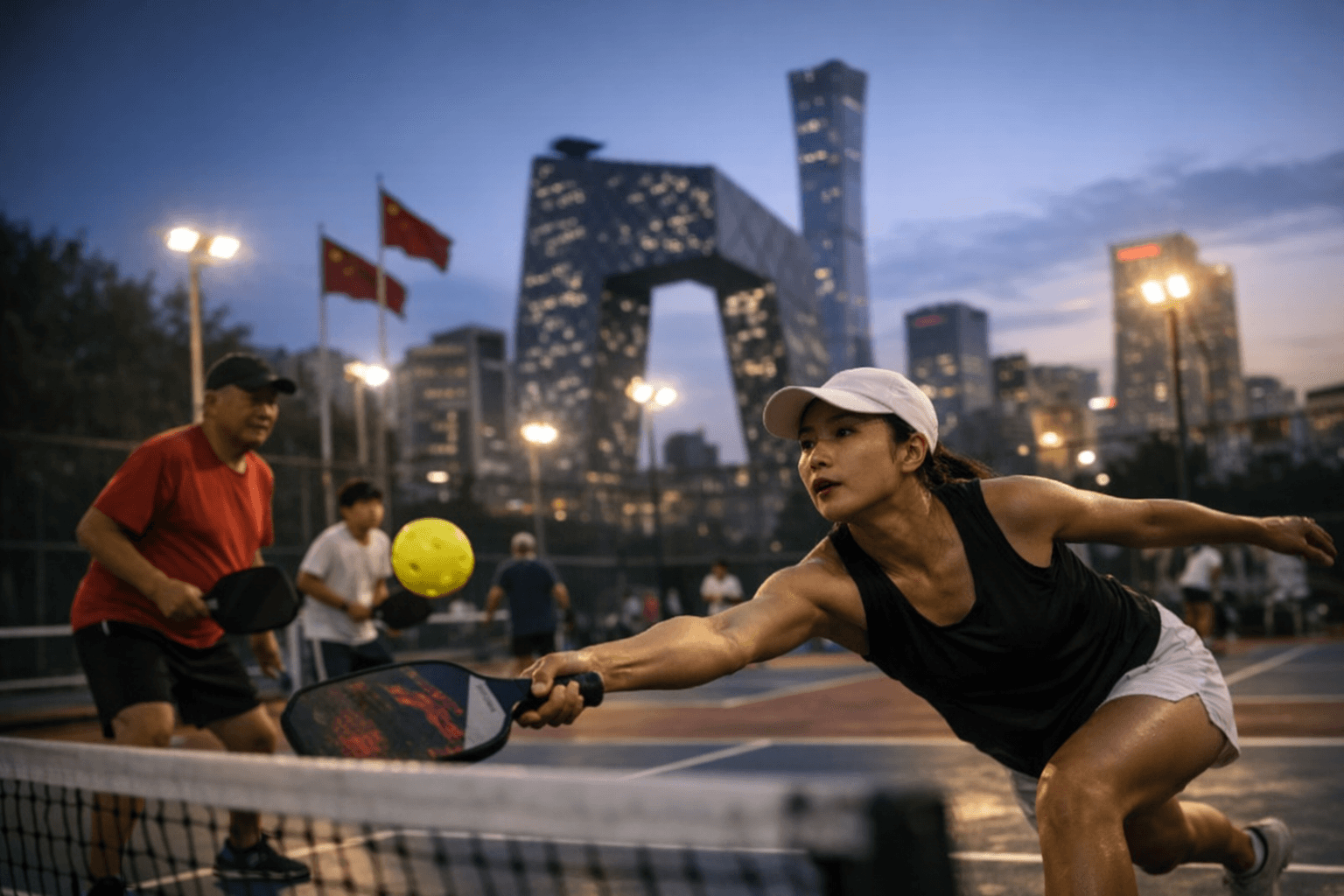
That matters because it places pickleball inside a larger national consumption strategy, not just a private-club trend. The General Administration of Sport of China has already included pickleball as an official event in the finals of the second National Fitness Games scheduled for April 2026, which signals institutional legitimacy. Once a sport enters official competition structures, it becomes easier to justify coaching, venue investment, local promotion, and organized participation pathways.
The places to watch
The early map of Chinese pickleball shows a sport spreading through major city hubs and then branching outward. Shanghai offered one of the earliest markers, with the city’s first pickleball court opening in Huangpu District in 2023. By March 2025, the International Pickleball Teaching Professional Association had opened its China headquarters in Shenzhen’s Longhua District, adding another sign that coaching and certification are becoming part of the business model.
Earlier reporting also pointed to young players setting up clubs in provinces including Anhui, Shandong, Zhejiang, Sichuan, Hubei, Guizhou, and Yunnan. That spread is important because it suggests the game is not confined to a single coastal metro. For operators, that is the difference between a social fad and a network that can support regional tournaments, training camps, and destination-based play.
What the numbers say about the market
The scale of the opportunity is larger than many casual observers assume. Global participation has been estimated at roughly 80 million to 120 million people, which places pickleball firmly in the mainstream growth conversation rather than the niche category. In the United States, the sport’s most established market, the Sports & Fitness Industry Association reported 19.8 million participants in 2024, and USA Pickleball was named the fastest-growing sport in the country for four consecutive years from 2021 through 2024.
That U.S. benchmark matters for China because it shows what a mature pickup-to-organized-play pipeline can look like. If China follows even part of that curve, the demand will not stop at casual games. It will extend into coaching, equipment, court programming, league formats, school and youth participation, and eventually travel products built around pickleball-friendly destinations.
A sport with diplomatic reach
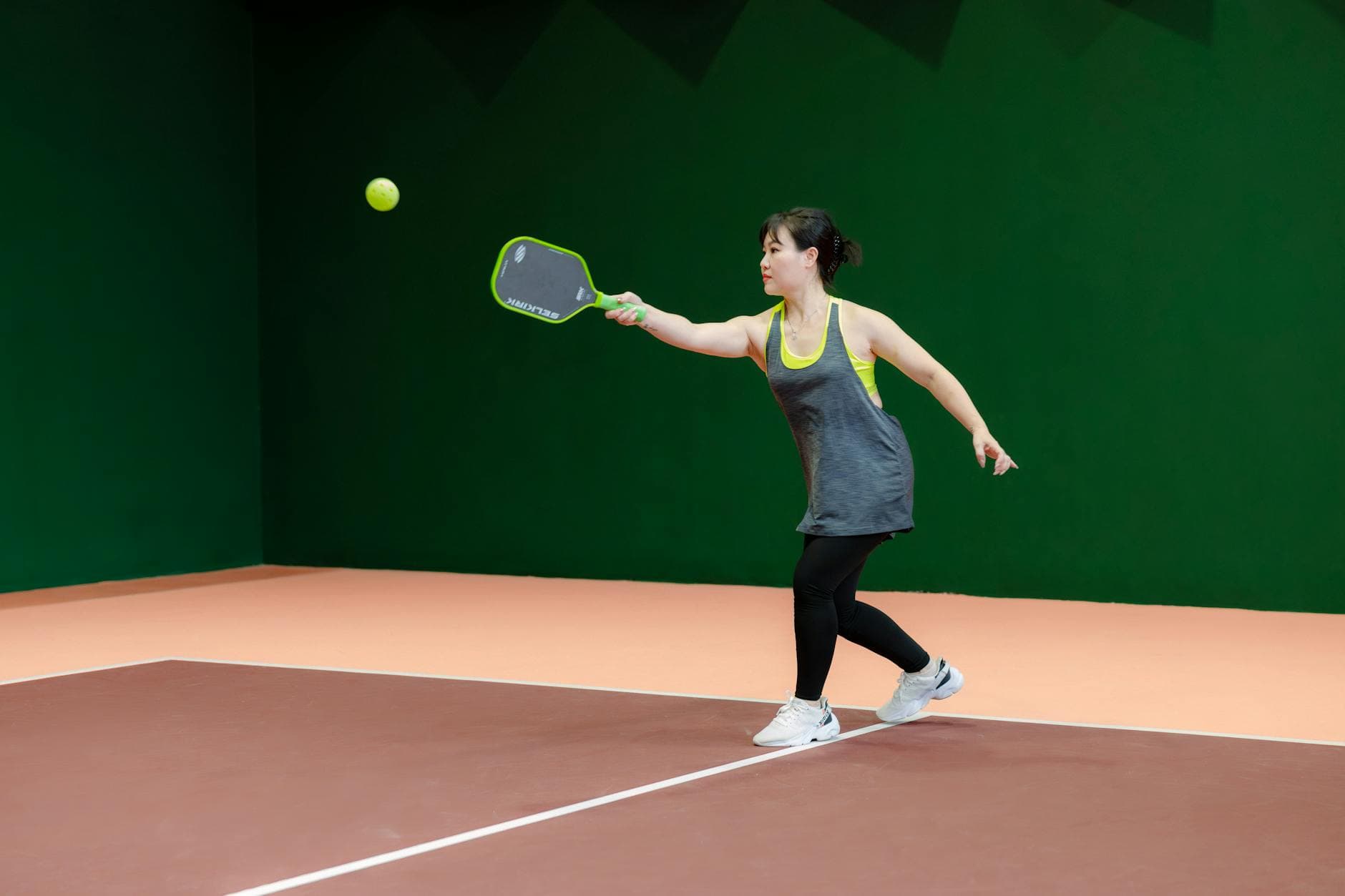
Pickleball is also gaining a role beyond recreation. In July 2025, Xi Jinping replied to a U.S. youth pickleball cultural exchange delegation from Montgomery County, Maryland, and said the sport had become a new bond for youth exchanges between China and the United States. That gives the game a symbolic place in people-to-people diplomacy, which can help raise its profile far beyond the usual sports pages.
For the retreat and travel sector, that is an especially relevant signal. Sports that become part of exchange programs, youth visits, or city-to-city friendly competition often develop a second life in tourism. Once a destination can host visiting groups, skill clinics, or cultural-sport packages, pickleball stops being only a court activity and starts becoming a reason to move people across borders.
What brands and operators should watch next
The tipping point for China will not be one headline or one court opening. It will be the accumulation of practical signals that the market is building real depth.
- More official events tied to national fitness programs
- More certified coaches and structured instruction in major cities
- More private venues, especially in dense urban districts
- More youth and office-worker clubs beyond the first wave of enthusiasts
- More travel or exchange programming built around the sport
If those pieces keep stacking up, China could become one of pickleball’s most important growth stories outside the United States. The sport’s low barrier to entry already fits the way urban players want to spend time. With policy support now pointing in the same direction, China is moving closer to a market where pickleball can support not just weekend play, but a broader ecosystem of clinics, events, and destination demand.
This article was produced by Prism’s automated news system from verified source data, official records, and press releases, then run through automated quality and moderation checks before publishing. The system is built and supervised by the people who set the standards it runs under. Read our full AI policy.
Did this article answer your question?