Pickleball heat guide: cool clothing, hydration, and sun protection
Summer pickleball trips still work in the heat if you pack for ventilation, hydrate early, and treat shade like court-time equipment.

Heat stroke can drive body temperature to 106°F or higher within 10 to 15 minutes, the Centers for Disease Control and Prevention says. You can still play safely on a summer getaway, but the trip stops feeling like a normal league night and starts feeling like a heat plan. If you are heading to a retreat, clinic, or resort weekend, the goal is not to tough it out. The goal is to keep your body cool enough that you can actually use the court time you paid for.
Pack clothing like it is part of your game plan
The easiest mistake is to think sunscreen alone will carry the day. It helps, but hot-weather pickleball asks more from your clothes than from a standard summer T-shirt. Look for UV-protective apparel, moisture-wicking fabric, quick-dry material, and bamboo-based cooling tops, with mesh panels or cutouts that let air move through the outfit instead of trapping heat against your body.
That kind of wardrobe matters because the court does not care whether you planned a relaxed getaway. You are still moving, changing direction, and standing in direct sun while rallies stretch longer than you expected. Denser weaves and fabrics such as polyester and nylon offer more protection than natural fibers. For a retreat bag, choose shirts and layers that help you stay dry, covered, and cool at the same time.
A practical packing list for hot-weather play looks like this:
- A light, loose top with UV protection
- A second shirt for after play so you are not sitting in damp fabric
- Shorts or skorts that dry quickly
- A cooling towel for between games
- A hat or visor that does not trap heat
- Sunscreen, but not as your only line of defense
Hydration has to start before the first game
By the time you feel thirsty on a summer court, you are already behind. Drink water, use electrolytes, and do both before and after play instead of waiting until you feel drained. That is especially important on a retreat schedule, where a morning session, lunch, an afternoon lesson, and a social round can turn into a long exposure block without much downtime.
The Centers for Disease Control and Prevention advises athletes to wear loose, lightweight, light-colored clothing, monitor one another, and stop activity if they feel faint or weak. Hot days can affect anyone, and people with chronic health conditions can be more vulnerable. In practice, that means your hydration plan should travel with you from breakfast to the last game, not just from the water fountain to the sideline.
For a retreat weekend, think in terms of rhythm:
1. Drink water before you head to the courts.
2. Bring electrolyte support for longer or repeated sessions.
3. Refill after play, even if you do not feel wiped out.
4. Watch for teammates who are slowing down, looking flushed, or struggling to recover between points.
Expect shorter court blocks, not heroic marathons
Hot-weather pickleball is not the place for the fantasy of playing from sunrise to sunset. If your getaway is outdoors, build the day around shorter blocks of court time and real breaks in between. That can mean fewer consecutive games, more time in the shade, and a willingness to walk away from the last extra match if the heat is building.
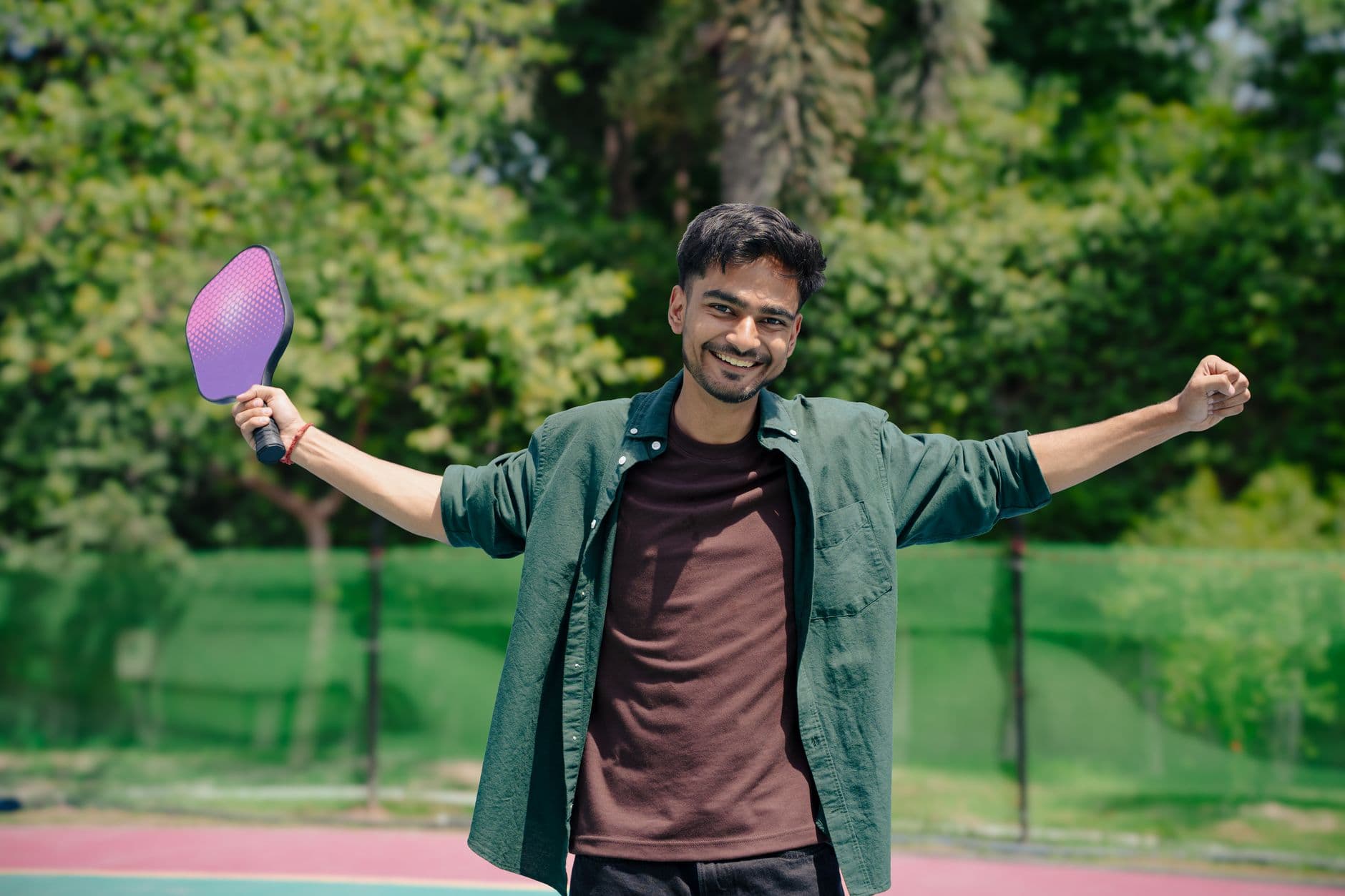
Exercising in hot weather puts extra stress on the body and can lead to serious illness if precautions are not taken, Mayo Clinic says.
Treat shade and court layout like part of the venue, not a bonus
If you are choosing between retreat properties, court conditions matter as much as bedrooms and breakfast. USA Pickleball's court guidance calls for outdoor courts to be oriented north-south to reduce direct sun during morning and late-afternoon play. Shade reduces heat, sun exposure, and glare, and improves court usability.
A cooling towel earns its place in the bag on a long tournament day or an outdoor clinic, when it can give you a quick reset as the sun and the rally count start to stack up. If the courts are exposed, the schedule needs to account for it, and if the site can add shade, the whole experience gets safer and more playable.
Know the stop signs before you need them
The real line in summer pickleball is not whether you are sweating. It is whether your body is starting to fail under heat stress. Heat stroke is the most serious heat-related illness. The CDC lists heat exhaustion warning signs that include heavy sweating, paleness, muscle cramps, tiredness, weakness, dizziness, headache, nausea or vomiting, and fainting.
This article was produced by Prism’s automated news system from verified source data, official records, and press releases, then run through automated quality and moderation checks before publishing. The system is built and supervised by the people who set the standards it runs under. Read our full AI policy.
Did this article answer your question?