South Carolina emerges as a top pickleball retreat destination
South Carolina’s coast turns pickleball into a real retreat, with 2.8 million South Atlantic players and resorts built around clinics, open play, and travel-partner comforts.
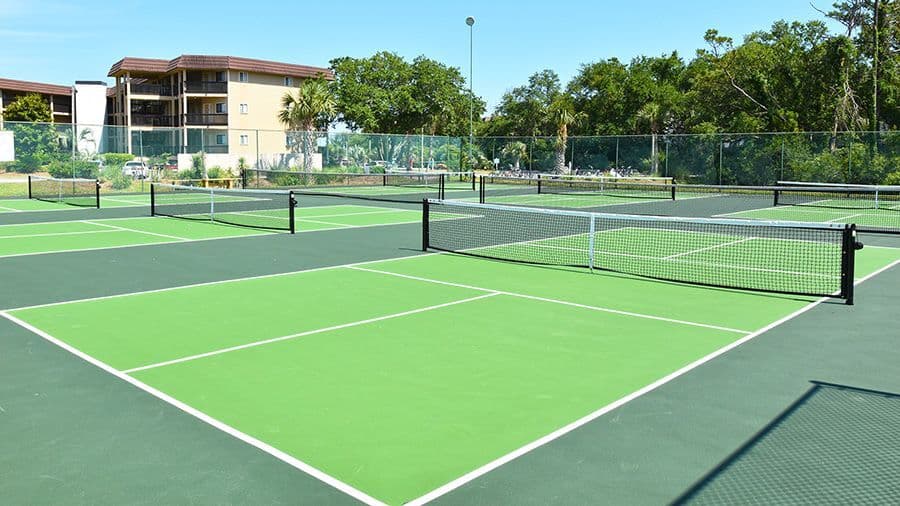
South Carolina’s coast is no longer just a pretty backdrop for pickleball travel. With the South Atlantic now the nation’s biggest pickleball region at 2.8 million players, up 50% from 2022, the state has the kind of court density and resort programming that turns a weekend away into a legitimate playing trip.
Why South Carolina keeps rising
The strongest case for South Carolina is the combination of a mild climate, a beach-heavy resort scene, and properties that have invested in actual pickleball infrastructure rather than a lone court tacked onto a tennis program. Charleston, Hilton Head Island, Kiawah Island, and Isle of Palms give the state a coastline built for active vacations, where the sport can fit neatly between beach time, dining, and spa breaks.
That matters because the best retreat is not just about having somewhere to hit. It is about whether the property can support repeated play, instruction, and social time without making you leave the grounds. South Carolina’s leading resorts are starting to look less like hotels with courts and more like full pickleball campuses.
What makes a resort worth booking
The clearest shift in the Tennis Resorts Online roundup is that it treats pickleball travel like a service model, not a simple amenity search. Before naming properties, the guide points to the ingredients that separate a casual court from a retreat-worthy setup: instruction for different skill levels, open play, round robins, court lighting for evening sessions, and non-playing amenities that keep travel partners happy.
That framework is useful because it matches how pickleball trips actually work. If one person wants clinics while another wants a beach chair, a spa appointment, or dinner on property, the resort has to hold the whole day together. The strongest South Carolina options do that by building programs around social play, lessons, and evening court time instead of treating pickleball as an afterthought.
Hilton Head Island is the state’s most obvious pickleball base
Hilton Head Island Beach & Tennis Resort is a clean example of why the state is getting attention. The resort says it has 8 tennis courts and 4 pickleball courts, plus clinics, open play, and a pro shop stocked with paddles and equipment. That mix signals a property that understands visiting players need more than a court surface. They need instruction, rentals, and a place to plug into the daily rhythm of play.
Palmetto Dunes Oceanfront Resort pushes that idea even further. Its pickleball center says the resort has 24 dedicated pickleball courts, along with lessons, clinics, and tournaments for all skill levels. Some courts are lighted for night play through 10 p.m., which is one of the most important retreat details in the whole state. Evening lighting stretches the day, makes the resort feel more like a club, and gives travelers a better shot at fitting play around flights, dinner, and family plans.
Sea Pines Resort adds another layer on Hilton Head with six pickleball courts for guests. It also offers discounted access for guests and Sea Pines property owners at $30 per hour, a detail that tells you this is a resort where pickleball is part of the stay experience, not just a free bonus. On a trip where court time is central, pricing and access matter as much as court count.
Kiawah leans into instruction and mixed racquet-sport appeal
Kiawah Island Golf Resort stands out because it does not limit itself to one kind of racquet traveler. Its official pickleball page says the resort offers pickleball and padel, and programming tied to the Roy Barth Tennis Center includes pickleball clinics, lessons, social events, junior camps, and open play. That makes Kiawah especially appealing if the trip includes families, mixed-skill groups, or anyone who wants a more structured learning environment.
The presence of social events is not a small thing. Retreats often succeed or fail on whether players can find a built-in community once they arrive. Kiawah’s mix of clinics, lessons, and open play gives visitors a path from instruction to social matches without needing to arrange every game themselves. For a trip centered on skill-building, that kind of ecosystem is the real luxury.
Wild Dunes shows why court counts need context
Wild Dunes Resort on Isle of Palms is another strong option, but it also shows why readers should look closely at how resorts describe their racquet facilities. The resort says it has six dedicated pickleball courts and PPR-certified pros who run clinics, lessons, and open play. A Hyatt destination page for Wild Dunes lists 12 clay tennis courts and 5 pickleball courts, which suggests the count can change depending on whether the source is describing the larger racquet center or only part of the facility.
That difference does not weaken the case for Wild Dunes. It actually reinforces the bigger point: serious retreat travelers should care less about a single number and more about how the courts are used. PPR-certified pros, scheduled clinics, and open play sessions matter because they tell you the resort has a coaching structure, not just painted lines.
How to match the property to the trip
South Carolina’s appeal is that it can serve several kinds of pickleball getaway at once.
- For serious skill-building, Palmetto Dunes and Kiawah Island Golf Resort are the strongest fits because they pair court volume with lessons, clinics, and organized programming.
- For a social retreat where play is easy to join, Sea Pines and Wild Dunes offer the kind of guest access and open-play structure that keeps the days from feeling overplanned.
- For couples travel or a mixed-interest trip, Hilton Head Island Beach & Tennis Resort works well because the court mix is compact, the pro shop makes gear simple, and the island setting gives non-players plenty to do.
The larger pattern is hard to miss. The South Atlantic’s 2.8 million players explain the momentum, but the resorts explain the staying power. South Carolina is not just benefiting from pickleball’s growth; it is shaping that growth into a travel product, one coast-facing retreat at a time.
This article was produced by Prism’s automated news system from verified source data, official records, and press releases, then run through automated quality and moderation checks before publishing. The system is built and supervised by the people who set the standards it runs under. Read our full AI policy.
Did this article answer your question?