Adam Bobrow Makes It Fun
The voice that helps table tennis travel online
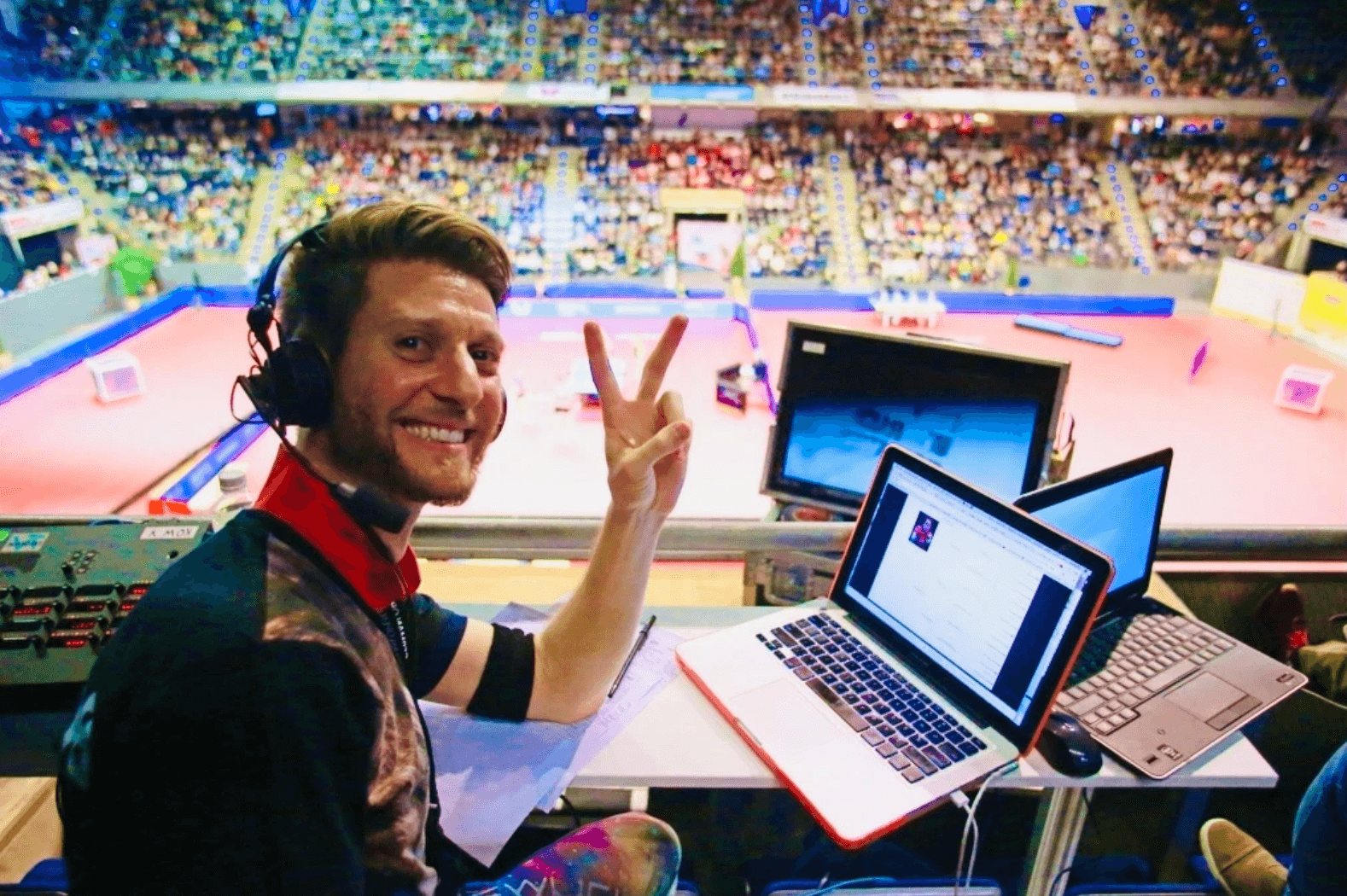
Adam Bobrow matters because he does something table tennis badly needs. He makes it easier to feel. For years, the sport has speed, skill, reflexes, and incredible rallies, but much of that brilliance stays trapped behind a perception problem. To serious fans, table tennis is thrilling. To casual viewers, it can look too fast to understand, too niche to follow, or too easy to dismiss as a basement game. Bobrow steps into that gap and turns himself into a bridge between the sport and everyone outside it.
He is often referred to as The Voice of Table Tennis, and the title did not begin as a label he gave himself. It traces back to the International Table Tennis Federation, which used the phrase for him years ago, and it continues to follow him today. That matters because his career is unusual. He is not just a commentator. He is a translator of the whole sport. He finds ways to make matches feel dramatic, players feel human, and highlights feel exciting even for people who have never followed table tennis before.
His rise is not random. In 2017, the International Table Tennis Federation announced that Bobrow would serve as its official commentator for events through 2020. That was already a strong sign that his style was being taken seriously inside the sport. Then, in 2019, The Guardian described him as perhaps the world’s only full time table tennis commentator. That phrase says a lot. It captures how strange and specific his role is, but it also captures why he stands out. He is not a generic broadcaster moving from event to event. He commits himself to a sport most media companies still treat as niche.
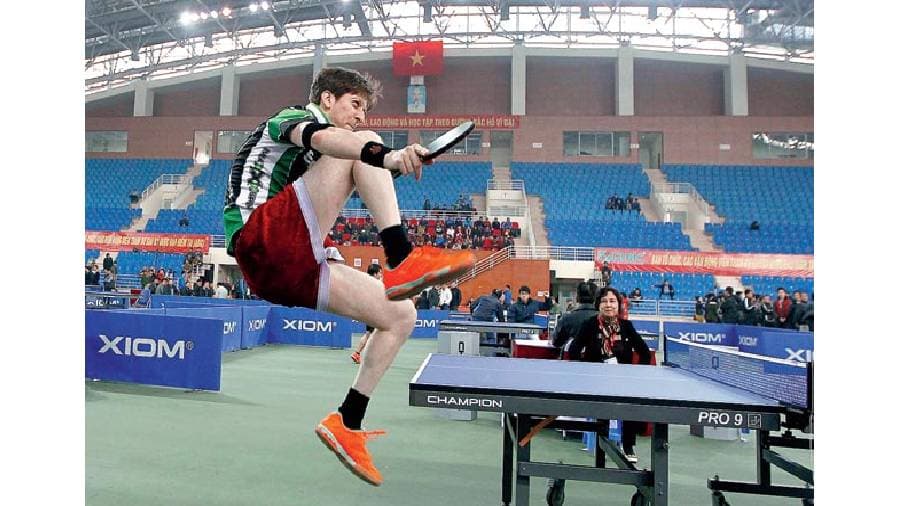
What makes Bobrow valuable is not only knowledge. Plenty of people understand table tennis deeply. His advantage is tone. He brings energy, humor, warmth, and a willingness to sound emotionally invested. In some sports, that kind of style might feel excessive. In table tennis, it helps solve a real problem. The game often needs someone who can slow it down emotionally even when the action is moving too quickly for a new viewer to fully process. Bobrow gives people a way in. He makes them feel that something exciting is happening before they even understand every technical detail.
That instinct translates perfectly to the internet. His content has generated more than 1 billion views across platforms, which is an enormous number for a creator tied to a sport this niche. His YouTube presence tells a similar story. Some of his videos have reached very large audiences, including one on Adam Bobrow Shorts listed at 114 million views. Those numbers matter because they show he is not only serving the people who already care. He is repeatedly pulling in viewers who were never actively searching for table tennis at all.
That is probably the most important thing about him. He makes the sport discoverable. In the modern media world, being good is not enough. You need to be easy to encounter, easy to share, and easy to enjoy in short bursts before someone decides to go deeper. Bobrow’s content fits that reality extremely well. He understands that in the age of feeds, reels, clips, and short attention spans, the first job is not education. The first job is ignition. You need to make people care first, then they can learn the rest.

There is also an interesting tension around his style. Not everyone loves it. The Guardian piece makes clear that some people prefer a more restrained, classic broadcasting approach. But that criticism almost proves the point. Bobrow works because he is not neutral wallpaper. He is memorable. He brings personality into a sport that often needs more personality in order to travel beyond its core audience. For a niche sport, that is not a side benefit. It is one of the main engines of growth.
What makes him worth a full feature is that his success says something larger about sports media. Great athletes are not always enough to grow a sport by themselves. Sometimes what changes the game is the person who knows how to present the game to outsiders without draining away its magic. Bobrow does that better than anyone in table tennis. He treats great rallies like entertainment, players like characters people can connect with, and the whole sport like something worthy of delight.

That word matters, delight. Many sports creators know how to inform. Fewer know how to create joy. Bobrow’s content often feels joyful, and that is a big reason it spreads. It reminds people that table tennis is not only technical and serious. It is playful, surprising, fast, and weirdly beautiful. That emotional shift is powerful. It turns the sport from something people respect from a distance into something they actually want to watch.
In the end, Adam Bobrow is a strong subject because he represents a modern kind of sports figure. He is not only a media person and not only a commentator. He is part storyteller, part translator, part promoter, and part performer. He helps table tennis leave its old box and travel further online. In a world where attention decides what grows, that may be one of the most important contributions anyone can make.

Know something we missed? Have a correction or additional information?
Submit a Tip