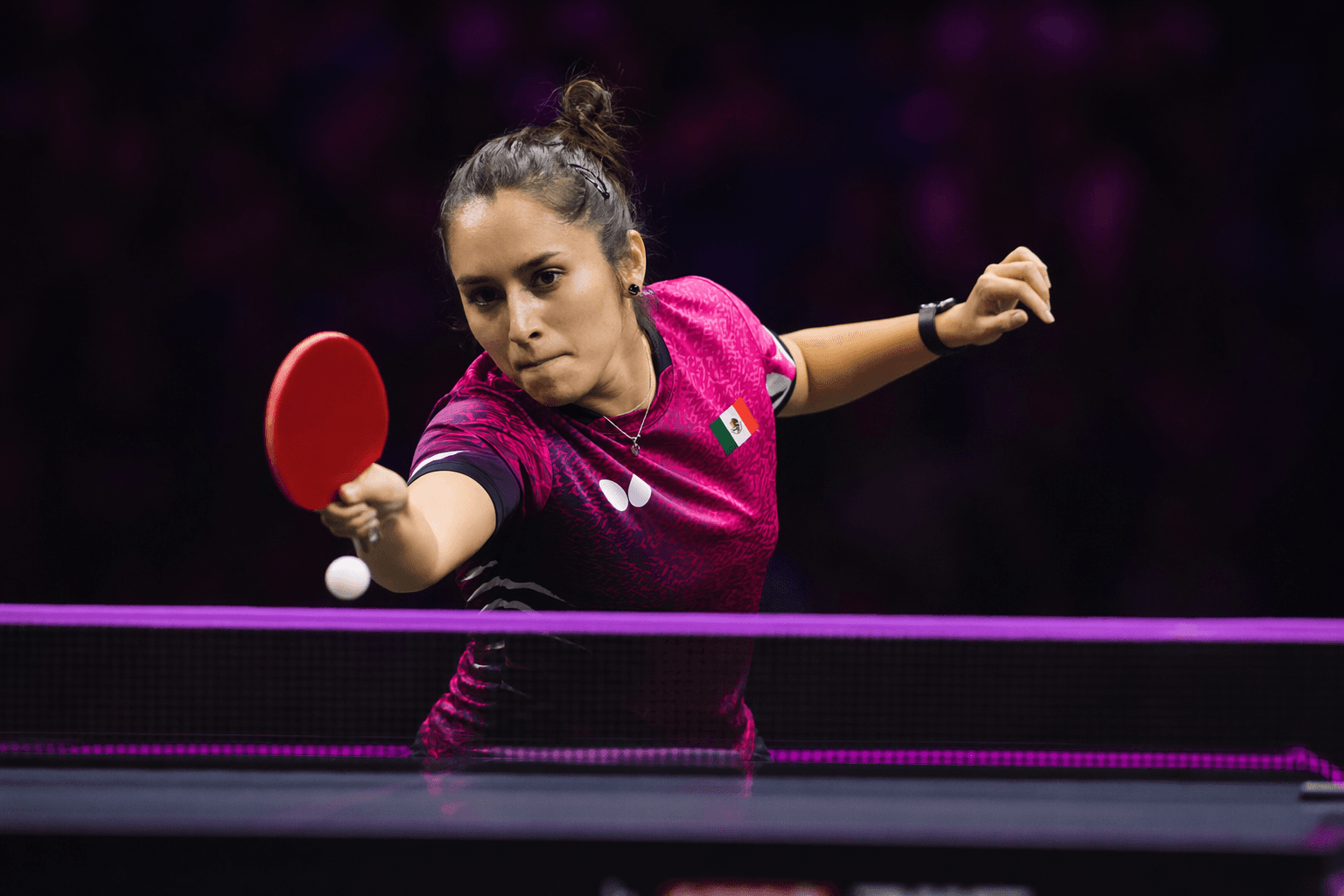
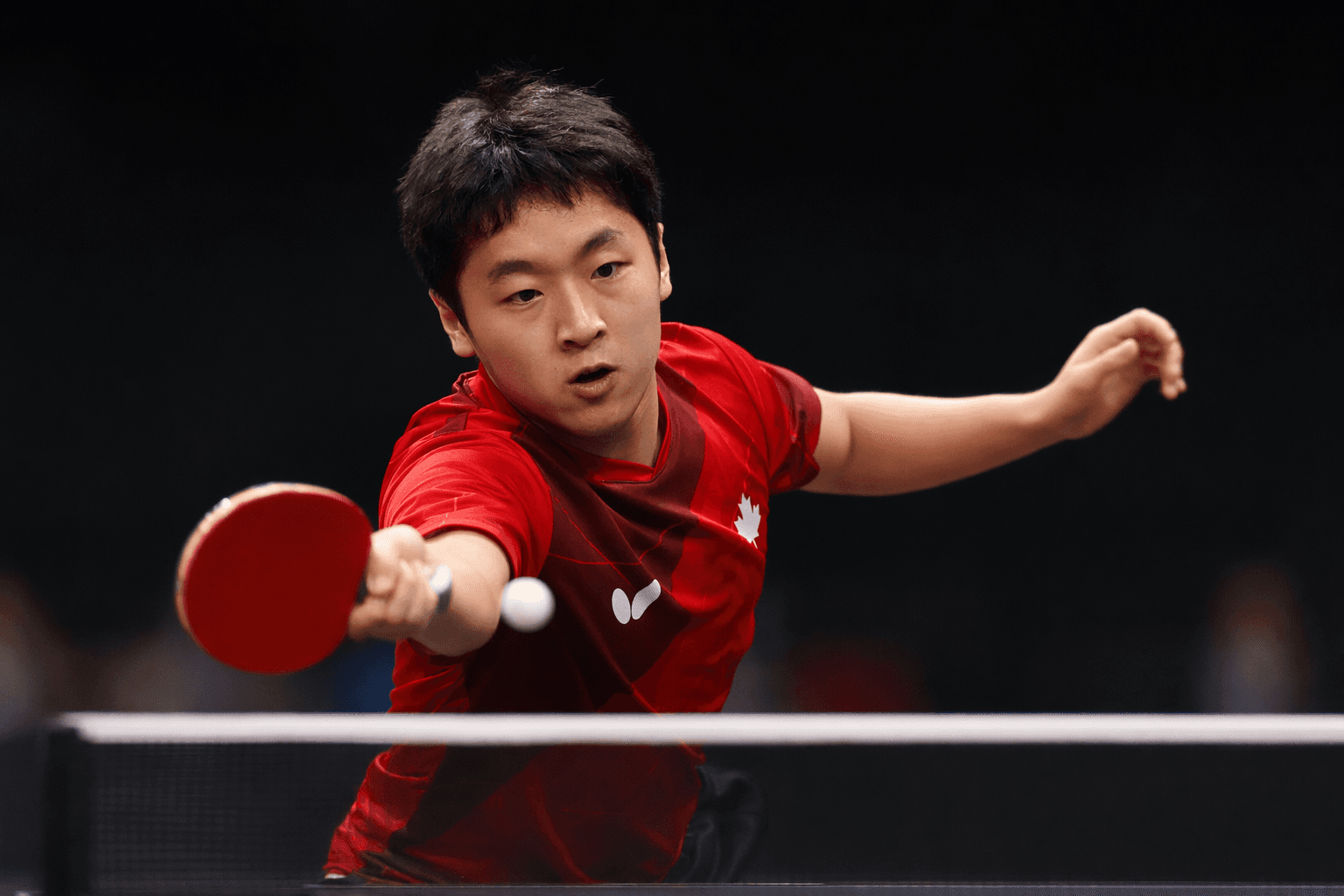
Butterfly robot drill trains faster recovery against varied backspin depths
Varied backspin depth is what makes players feel late, and this Butterfly drill trains the recovery that happens before the next swing. FETHOMANIA 26 turns that club-night frustration into repeatable, high-volume robot work.

The real problem is not the first attack
A short backspin ball is manageable. A long one is manageable. The trouble starts when the next feed can be short, half long, or long without warning, because that is when so many players rush the first decision and arrive late for the second one. Butterfly Online’s FETHOMANIA 26: Drill 4 tackles that exact problem by forcing recovery to start before the next ball is even struck.
That is why this drill matters beyond the robot itself. Most club players can make one good flip or one heavy topspin, but far fewer can reset their feet, read depth quickly, and be ready to attack again from balance. The drill turns that gap into the main lesson: recovery is not what happens after the shot, it is part of the shot.
How the drill works
The setup is simple in theory and demanding in practice. The robot feeds backspin to random depths all over the table, landing short, half long, or long. When the ball is short, the player flips it. When it comes deeper, the player attacks with topspin. That small decision tree is the heart of the exercise.
What makes it useful is that the sequence links touch play and first-ball aggression in one movement chain. A short ball demands soft hands and control. A longer ball demands a committed opening loop or attacking topspin. The player has to switch cleanly between those gears while still recovering to a balanced ready position for the next exchange.
Why depth changes make players feel late
Anyone who trains backspin knows the familiar frustration: the first ball looks fine, then the body is a step behind the next one. Depth variation is usually the reason. A short ball brings the player in and low, while a half-long or long ball asks for a longer swing path, different contact, and more time to recover back out of the table.
That is why this drill is so effective as a match problem, not just a technical one. It compresses decision-making, footwork, and recovery into the same action. The player is not just learning what to do with each ball; the player is learning how to leave the stroke in a position that makes the next ball playable.
Why the robot changes the quality of the drill
The Butterfly Amicus Prime gives this exercise a level of repeatability that a human feeder would struggle to sustain over a long session. Butterfly says the robot is controlled wirelessly via Bluetooth from the AMICUS app, and that the app can vary spin, speed, placement, and trajectory. That is exactly the kind of flexibility this drill needs, because the whole point is to randomize the read rather than memorize a pattern.
The Amicus Prime listing also says the robot includes an Android tablet with 21 pre-saved drills. For players and coaches, that matters because it makes the machine more than a ball cannon. It becomes a structured training tool that can support repeated transition work, including drills that challenge recovery under different ball shapes and depths.
Butterfly’s bundle also includes 120 training balls, a carrying bag, and a 3-year warranty. For clubs and serious home users, that package signals that the robot is built for volume, not just occasional use.
What the drill trains that ordinary multiball often misses
Randomized backspin depth is not just a touch-and-attack exercise. It trains the exact handoff between reading, moving, striking, and resetting. The player has to identify whether the ball is short enough to flip or deep enough to topspin, then recover fast enough that the next ball does not catch them flat-footed.
That is a different demand from fixed-ball repetition. Fixed patterns help groove mechanics, but they can hide the very problem this drill exposes: the habit of admiring the stroke instead of getting back into position. By making the feed unpredictable, FETHOMANIA 26 forces the player to recover with purpose.
The backhand drop-shot and forehand drop-shot progression mentioned in the training notes expands the same idea to both wings and to both short and wide targets. That matters because recovery is not owned by one side of the table. A player who can handle the same depth logic on both backhand and forehand is building a broader, more match-ready transition game.
Who should use it, and who can skip it
This drill is best for advanced players who already have a reliable opening attack and now need to sharpen what comes after it. If you are still fighting to simply lift backspin consistently, you may not need randomized depth yet. A more basic ball-by-ball touch routine will probably serve you better until your contact is stable.
The drill becomes valuable once the real weakness is not technique alone, but the timing between shots. If you can attack a short ball but feel stranded when the next feed goes deep, this is your kind of work. It is especially useful for players who want to turn the first attack into a real advantage instead of a one-shot highlight.
The coaching pedigree behind the series
Fethomania is presented as a guided drill series with Stefan Feth and Larry Thoman leading the table tennis sessions for Amicus robots. That gives the exercise a clear coaching identity instead of making it feel like a random robot preset. It also helps explain why the drill is built around transition play, not just shot repetition.
There is also a wider coaching context here. The International Table Tennis Federation continues to maintain coaching manuals and coach-development materials, which reflects how recovery, transition, and decision-making have become formal parts of modern coaching. This drill sits squarely in that evolution: it treats recovery as a skill to be trained with the same seriousness as topspin, touch, or placement.
Why this drill stands out
The value of FETHOMANIA 26: Drill 4 is not that it teaches one special shot. It shows how many rallies are won or lost by the ability to handle awkward depth, choose the right contact, and recover with balance before the next ball arrives. That is the difference between making one good attack and building a pattern that keeps pressure on the opponent.
For players who want their training to feel closer to real match chaos, this is a sharp, practical drill. It takes one of the most common club frustrations, the late feeling after a backspin ball changes depth, and turns it into a repeatable test of readiness, footwork, and second-ball quality.
Know something we missed? Have a correction or additional information?
Submit a Tip