Buyer's and Placement Guide for Ping-Pong Tables: Balancing Play, Budget, Space
Practical buyer's and placement guide for selecting a ping-pong table that balances play, budget and space.
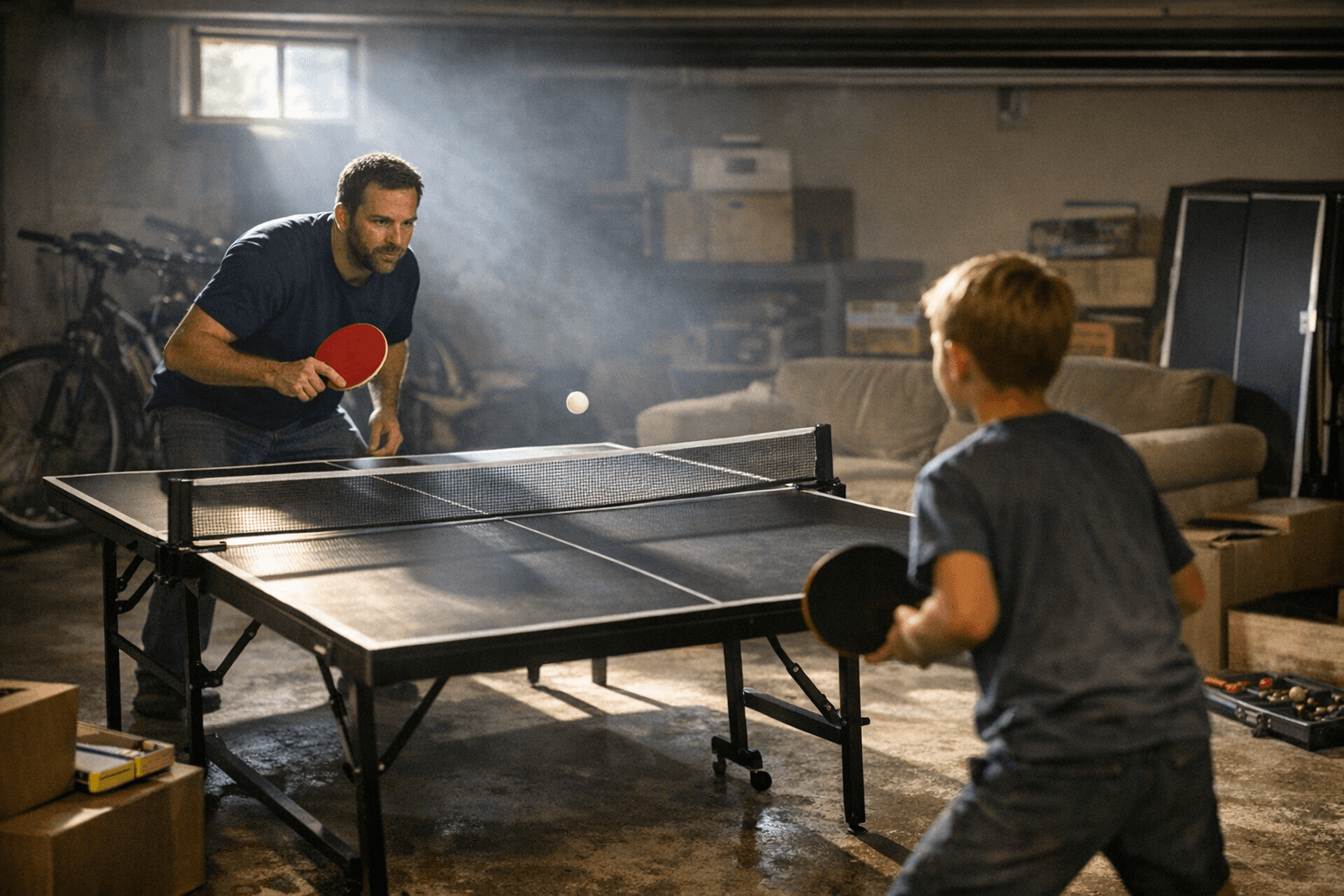
Choosing the right ping-pong table can make or break local play. For bars, community rooms and clubs, prioritize the table type that matches who uses the space most, how often play occurs and whether you need tournament-level consistency or casual, social rallies.
Start with playing level and goals. For casual and social play, foldable recreational tables with 12-16 mm tops deliver affordable, storage-friendly performance for bar nights and pop-up events. For club coaching and competitive practice, budget for 19-25 mm tops or solid 25 mm competition tables; ITTF-approved tournament tables are the right call if you host labeled tournaments because they provide consistent bounce and durability under heavy use.
Decide indoor versus outdoor based on location. Indoor tops are typically MDF or solid-sheet; outdoor tops use weatherproof composite such as polypropylene or aluminum composite and pair with rust-resistant frames. If a table sits near a door or patio, choose an outdoor-rated table to reduce maintenance and avoid warped tops.
Frame, legs and stability matter as much as the top. Steel frame profiles 50mm+ and cross-bracing cut wobble and keep rallies reliable. Locking caster wheels that lock individually are crucial in multi-use venues to keep the table stable during points and safe when stored. For venues with limited staff, choose quick-fold single-person storage designs with central-lock storage and a compact folded footprint so the table can be moved or stowed between events without a crew.
Weigh portable versus fixed installation. Portable tables let you clear the floor for concerts, classes or markets. Fixed, anchored tables are better for permanent clubs that run regular high-level training where floor anchoring provides unwavering stability.
Accessories affect play and event readiness. Use durable clip-on nets for casual sessions and tournament-standard nets for events. Keep an equipment box stocked with spare balls - 3-star balls for tournaments and cheaper poly balls for casual play - plus a basic repair kit and table-top cleaner.
Always do a bounce test before buying when possible. Use a full-speed loop or loop-rebound to check that center and edge bounces are uniform and lively; inconsistent bounce is often the sign of a thin top or poor framing.
Budget ranges give practical expectations: recreational indoor folding tables $250–$900; mid-range club-quality 16-19 mm $900–$2,500; competition 22-25+ mm with heavy frames $2,500–$6,000+; outdoor tables $900–$4,000 depending on build and finish. For placement, allow about 2.5–3 m clearance behind and to the sides for comfortable club play, and prefer hard, even flooring with anti-slip finish. In multi-use rooms, temporary anti-fatigue mats help during long practice sessions.
Maintenance is simple but necessary: keep tables clean and dry, avoid leaving folded outdoors, and check caster bolts and leg locks regularly. For high-traffic community venues, budget modestly for upkeep to extend table life and reduce replacements.
The right table and placement turn casual interest into sustained play. Match top thickness, frame quality and portability to your use case, allocate the right budget, and schedule basic maintenance to keep rallies spinning and communities growing.
Know something we missed? Have a correction or additional information?
Submit a Tip