How to Choose Your First Table Tennis Paddle Blade and Rubber
Learn how to pick a first blade and rubber by matching player level, testing pre‑assembled vs custom, balancing control vs speed, and planning maintenance and upgrades.
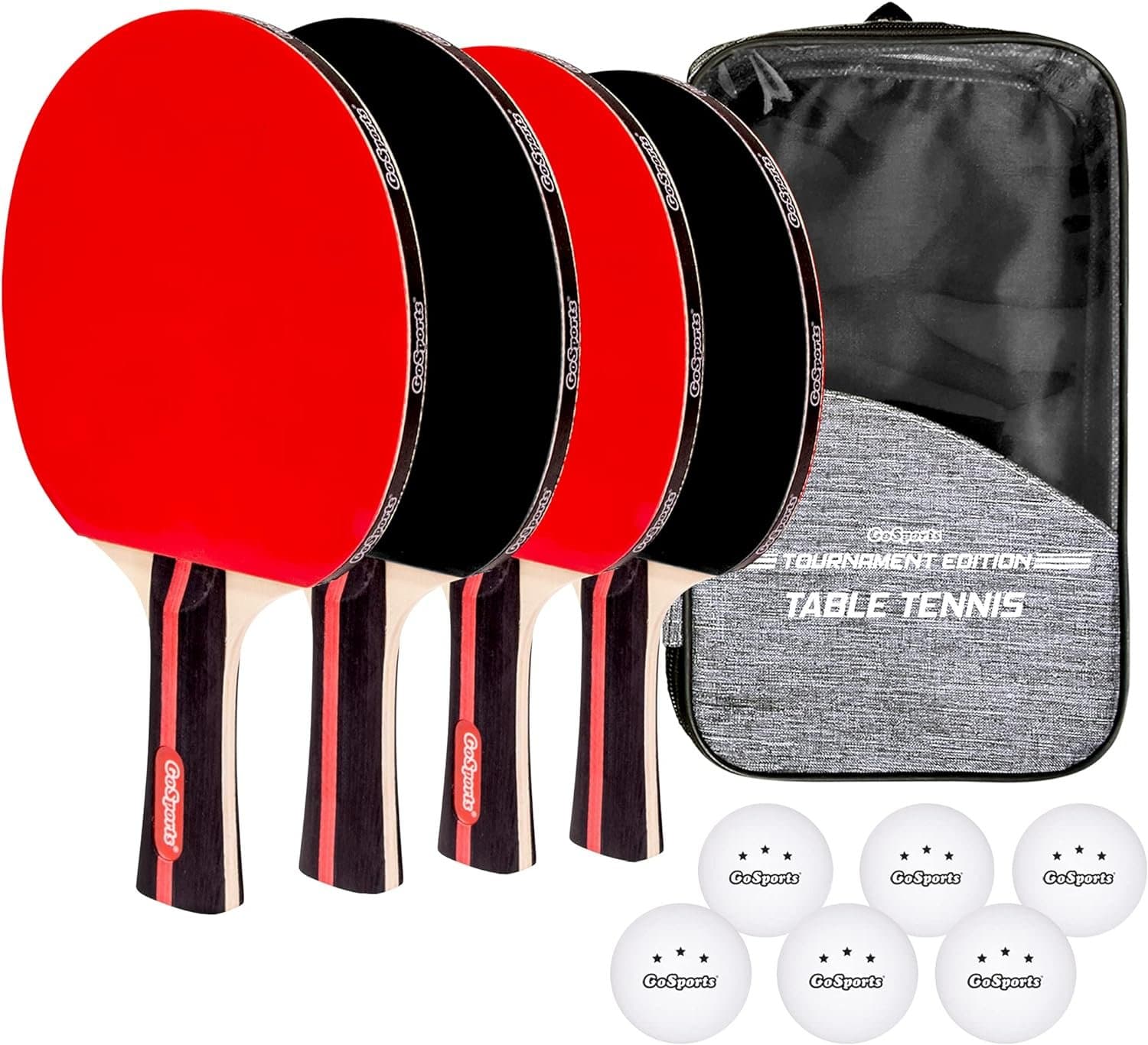
1. Identify your player level and style
If you’re completely new, aim for control‑oriented, allround gear so you learn technique without wrestling the paddle. As one guide puts it, "identify whether you’re a complete beginner (choose control-oriented, allround gear)". Many recreational club players fall into the "allround" category, players who mix offense and defense, so your first setup should give you blocking, pushing, looping and counterattack options without overwhelming speed.
2. Use a short test to pick the right archetype
Spend a session evaluating whether you want to prioritize control, balanced play, or offense. Try basic blocks, pushes and medium loops: if you can place shots reliably and want to add power, a balanced or slightly faster setup may suit you; if you’re still mastering placement, choose control. Worldoftabletennis recommends that "For allround players, the paddle should be very moderate in speed, never too fast or too slow," which is a practical rule of thumb when testing feel.
3. Decide: pre‑assembled paddle or custom setup
Pre‑assembled paddles are a great entry pathway because they’re convenient and budget‑friendly; Worldoftabletennis calls them "Great for beginners to early intermediates" and notes they "Often feature mid-range rubbers and an ALL-rated blade." Custom setups let you choose blade and rubbers separately and are "Best for long-term progression" once you know your preferences. If you expect to play sporadically to try the sport, start with a pre‑built and move to custom only after you commit.
4. Understand blade basics: wood layers and speed classes
Blades determine the feel and raw speed of your paddle. Look at manufacturer speed categories: ALL (allround), ALL+ (slightly faster), OFF‑ (offensive but moderate) and OFF (fast); Worldoftabletennis suggests experimenting with "Slightly faster blades (like ALL+ or OFF-)" as you progress. Handle types and blade thickness change how the paddle sits in your hand, try different handles at a club or shop to find what becomes "an extension of your hand."
5. Learn rubber basics: sponge thickness, spin and control
Rubbers control spin, speed and touch; sponge thickness is one of the biggest variables beginners can experiment with. Thicker sponge gives more speed and dwell for loops; thinner sponge favors control and short game precision. Worldoftabletennis explicitly lists "Rubber sponge thickness" and "Handle types" among experimental variables you should try as you grow.
6. Consider starter brands, models and realistic budgets
Coach Yoku advises: "If you are just giving a try to see if you will like table tennis and would like to purchase a beginner's paddle, I would recommend to start with either Killerspin or Gambler brand paddles." In community practice, cheap preassembled paddles are common, one Reddit user reports using a "$15 Stiga preassembled from any sporting goods store" and planning a $50–150 budget for a next setup. Yoku’s excerpt also includes model names like "Gampler Pro. [...] Killerspin Jet 400 Smash N2" and a product note saying "You can get it for $54.99," but the supplied text is ambiguous about exact spelling and which model that price refers to, verify model spellings and current prices before buying.
7. Expect maintenance and a short early lifespan for rubbers
Plan on replacing rubbers sooner than blades: a practical coach tip is blunt, "rubbers wear out in 6 months." Yoku explains that entry paddles or the three recommended beginner models "will last probably about 6 month and by this time you will probably know if you are in table tennis or not." When rubbers age, you can either replace them on your existing blade or upgrade the whole setup as your technique improves.

8. Follow a simple progression plan to avoid gadget‑hop
A useful coaching rule: "choose one combination of blade and rubbers and work on your technic by taking private lessons with coach. Avoid shopping for too many rubbers and blades in an effort of finding perfect match because it may not be helpful to improve your game." Start with one reliable setup, build consistent stroke mechanics with lessons or practice, then tweak one variable at a time (rubber hardness, sponge, or a slightly faster blade).
- Feel, does the paddle feel like an extension of your hand?
- Control vs speed, can you place simple pushes and blocks comfortably?
- Handle, shakehand or penhold, and which handle shape feels natural?
- Budget, can you replace rubbers for less than buying a new whole paddle?
9. Test‑drive paddles and use a practical buying checklist
Don’t buy blind, play with paddles at your club, borrow blades, or demo rubbers if possible. Practical checklist:
Worldoftabletennis sums it up: "If you’re not sure about choosing, start with a control-first setup and upgrade rubbers or blades as you grow."
10. Use real community profiles to guide expectations
A typical beginner-to-intermediate profile from a Reddit post shows realistic play patterns and needs: "How long have you played Table Tennis? 1 year" and "How often do you play? 1 hr a day, 5-7 days a week." The same poster described their style: "All around, I love playing a little defense and then surprising my opponent with a slam," and concluded: "I play shake grip and it feels really comfortable to me. Based on the wiki and some online reviews I'm leaning towards the Stiga All Around Classic and Mark V." Use these practical anchors, play frequency, comfort with grip, and budget, to choose a setup that fits your rhythm.
11. Brands to try and things to verify before checkout
Worldoftabletennis lists familiar brands in 2025's top allround picks, including "Yasaka, Xiom, Stiga." Yoku recommends Killerspin and Gambler/Gampler in the beginner context. Before buying, verify ambiguous spellings and current prices: the supplied excerpts include a "Gampler" vs "Gambler" inconsistency and an unclear $54.99 reference. Double‑check model names, available rubbers, and up‑to‑date prices at retailers or club stores.
12. Final practical wisdom: buy a control-first paddle, then learn
Choose a control-first or allround paddle, start with a pre‑assembled or inexpensive blade/rubber combo, and treat your first year as a learning cycle, expect to replace rubbers around six months if you play often. As Worldoftabletennis advises, the paddle should "feel like an extension of your hand" and you should "start with a control-first setup and upgrade rubbers or blades as you grow." And in the spirit of every coach’s quick question: "What paddle should I get if I just started playing ping-pong?", aim for simplicity first, then tune for speed, spin and personality as your game develops.
Closing note: take your paddle out to club drills, talk to players who use the gear you like, and prioritize a setup that helps you learn one reliable technique at a time, your next upgrade will feel earned and noticeably faster.
Know something we missed? Have a correction or additional information?
Submit a Tip