ITTF builds African youth pathway ahead of Dakar 2026 table tennis
A two-week camp in Havířov gave Uganda and Tunisia a sharper route to Dakar 2026, and the medals that followed suggest the model has real bite.
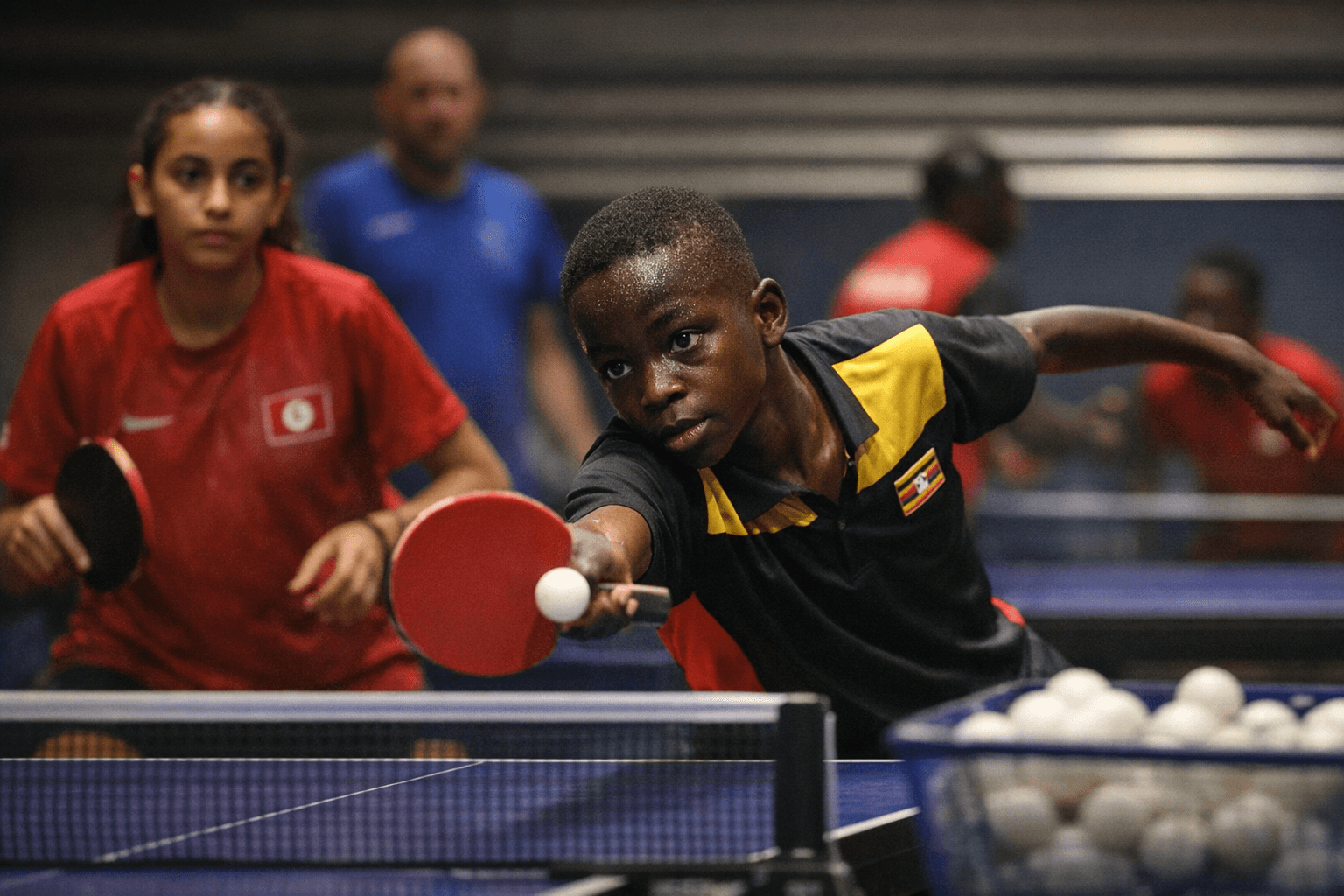
A two-week training block in Havířov did more than give seven young African players a change of scenery. It offered a direct test of whether short, ITTF-backed overseas camps can speed up the road to Dakar 2026, and the early return was hard to ignore.
From March 16 to 30, players from Uganda and Tunisia trained at the National Training Centre Havířov inside the Czech national setup, working alongside local elite players under Salvador Uribe, Renáta Štrbíková and Xu Kai. The camp sat under the ITTF Sports Development Agenda 2025-2028 and had Olympic Solidarity support, but its real purpose was simple: build sharper table tennis for the Youth Olympic Games in Dakar, scheduled for October 31 to November 13, 2026.
That matters because Dakar 2026 will be the first Olympic sports event staged on African soil, and table tennis will be there for its fifth Youth Olympic Games appearance since Singapore 2010. The sport’s competition runs from October 31 to November 5 at Dakar Expo, about 10 minutes from the Youth Olympic Village, with boys’ and girls’ singles and mixed team events on the program. Qualification will come through continental and international events as well as world rankings, so every extra edge still counts.
Havířov appears to have given the players exactly that. Uganda’s Joseph Sebatindira and Patience Anyango, both Hopes Programme products, came back from WTT Youth Contender Havířov 2026 with medals. That is the kind of competitive proof ITTF has been looking for as it tries to turn development work into results, not just participation.
Ugandan coach Alvin Katumba and Tunisia’s national technical director Ghazi Benkahia both pointed to the same value in the camp: new sparring partners, exposure to different styles and a chance for coaches to keep learning. That coaching-internship element may be the most underappreciated part of the project. If the ideas travel home with the coaches as well as the players, the camp’s impact lasts longer than the trip itself.
The wider pathway is already visible. ITTF’s Hopes Programme runs from national to continental to world stages for U12 players, with 2026 eligibility for those born in or after 2014. Sebatindira was listed as 10 years old when Uganda finished with three of four qualifiers at Africa Hopes Week & Challenge in Gaborone in 2024, a sign that the country’s talent pipeline is already producing at scale. Add the Dakar build-up camp in Senegal, which ran from September 29 to October 8, 2025 with 23 young players aged 12 to 15, and the strategy becomes clearer: Havířov was one block in a wider continental ladder.
For federations and clubs watching closely, the lesson is not that a short overseas camp solves everything. It is that when the camp is tied to a defined pathway, elite coaching and immediate competition, it can produce measurable gains fast. Havířov did exactly that, and the medals from Sebatindira and Anyango suggest the model is worth copying.
Know something we missed? Have a correction or additional information?
Submit a Tip