JOOLA Still Matters
An old table tennis brand that keeps finding new life
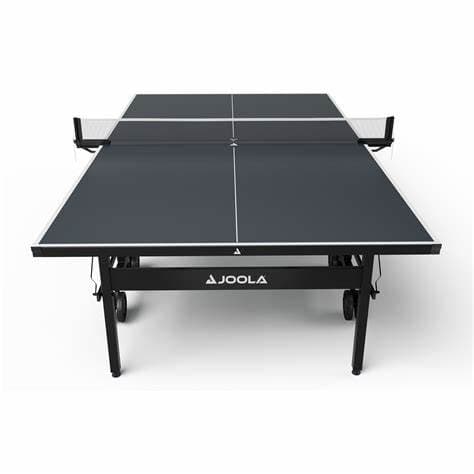
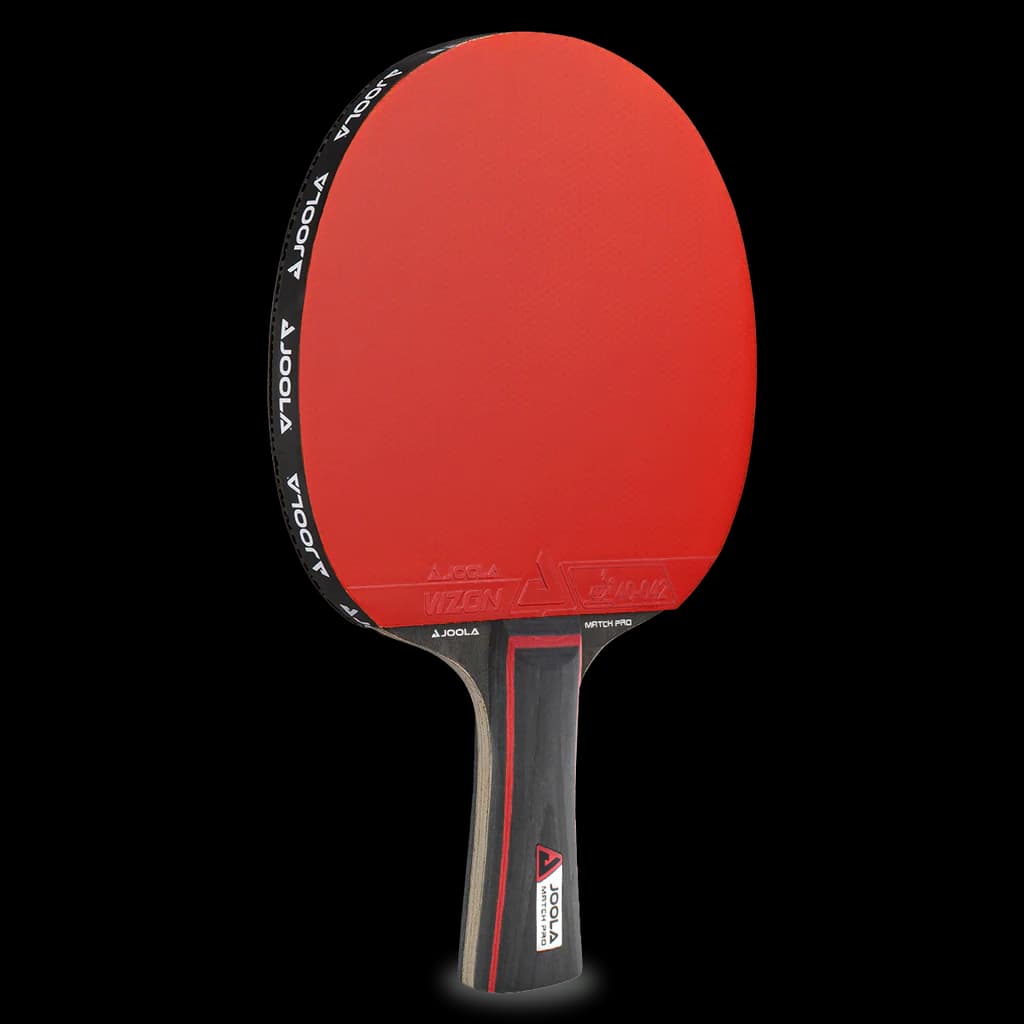
JOOLA was founded in Germany in 1952, which gives it something rare in modern niche sports: real history. A lot of companies talk about legacy, but JOOLA can point to more than seventy years in table tennis and a long presence around the sport’s most serious stages. Its equipment was used at the Summer Olympics in Atlanta, Sydney, and Athens, and the brand is still active inside major events today. In 2025, World Table Tennis confirmed JOOLA as an official equipment partner for US Smash in Las Vegas. That is not the profile of a company living on old memories. It is the profile of a company that still wants to matter now.
That is the first reason JOOLA is worth a story. It is not only selling paddles, balls, and tables. It has spent years helping build the spaces where the sport actually lives. JOOLA says it grew its footprint in the United States through an early partnership with North American Table Tennis, and over time it became tied not only to products but also to gatherings, competition, and repeat community events. In 2022, the company said its North American Teams tournament brought in more than 1,100 players, 270 teams, and 167 playing courts. Those numbers are important because they show scale, but they also show something else. JOOLA is not standing above the sport. It is inside the structure of it.

That matters in table tennis more than in many bigger sports. Table tennis has huge global participation, but in many Western markets it still fights a strange image problem. People know the game, but they do not always take it seriously. They might think of a basement table, a rec room, or a casual office break before they think of elite movement, world class reflexes, and a sport with real technical depth. A company that wants to last in this space has to work on two levels at once. It has to serve serious players without losing the broader public. JOOLA has been trying to do exactly that for years.
One of the smartest things about the brand is that it has not treated heritage as an excuse to stand still. Many old sports companies become too proud of what they once were. Their story gets heavier every year, and eventually that story becomes a burden. JOOLA has tried to avoid that trap. It has kept the old authority that comes with decades in the sport, but it continues to tie itself to current players and current moments. In January 2026, the company announced a partnership with Hugo Calderano, who JOOLA described as ranked number three in the world and the greatest player ever to come out of the Americas. That is a strong signal. It tells the market that JOOLA is not content to be a respected archive. It still wants relevance at the top level.

There is a useful tension at the center of JOOLA. On one side, it has the feel of a classic table tennis brand, serious, rooted, proven. On the other side, it has shown a willingness to move, expand, and keep refreshing how people encounter it. That balance is harder than it sounds. If a legacy brand leans too far into history, it starts to feel old. If it leans too far into reinvention, it risks losing the trust that made it important in the first place. JOOLA’s strength is that it still seems to understand both sides of the equation.
The company is also interesting because it reveals something important about niche sports businesses. In smaller sports, being good at product is not enough. You also need to help create the moments that make the sport visible. That means tournaments, partnerships, athlete relationships, and repeated public touchpoints that remind people the game is alive. JOOLA seems to understand that the health of the sport and the health of the brand are linked. The more active the community is, the stronger the brand becomes. The stronger the brand becomes, the more it can help support the community around it.

That is why JOOLA works as more than a basic equipment story. The article is not simply about a company that has been around a long time. It is about a company that found a way to make history useful. JOOLA did not survive by freezing itself in the past. It survived by staying attached to the parts of table tennis that renew the sport over and over again: players, events, clubs, and serious competition.
In a media world that usually rewards novelty, there is something interesting about a company that keeps proving the opposite point. Sometimes the strongest story is not about a flashy newcomer. Sometimes it is about the brand that has been there for decades and still refuses to become background noise. That is the real reason JOOLA still matters. It is not important only because it is old. It is important because it keeps finding new reasons to be present.
Know something we missed? Have a correction or additional information?
Submit a Tip