Philippine Table Tennis Teams End Decades Long SEA Games Drought
The Philippine national table tennis teams won bronze medals at the 33rd Southeast Asian Games in Nonthaburi, Thailand, ending medal droughts that dated back to 2005 for the men and 1991 for the women. The twin podium finishes mark a turning point for the sport at home, offering momentum for development, Olympic ambitions, and grassroots growth.
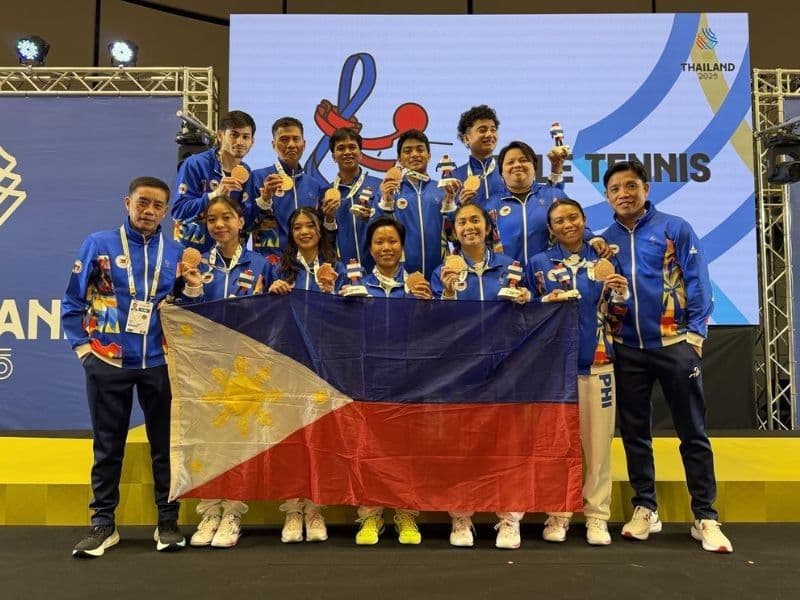
The Philippine men and women’s table tennis teams both secured bronze medals at the 33rd Southeast Asian Games in Nonthaburi, Thailand, delivering results that broke long dry spells for the country in regional team competition. The men earned their first SEA Games table tennis medal since 2005, while the women captured the first team medal since 1991. The achievements landed on December 24, 2025, and immediately reshaped expectations for Philippine table tennis heading into future regional and Olympic cycles.
The men’s run was highlighted by a decisive group stage sweep of Thailand that propelled the squad into the semifinals. That victory served as a springboard, combining veteran leadership and timely performances to secure a place on the podium. Richard Gonzales, the veteran leader of the senior men, provided experience and stability in key matches as the team navigated a challenging draw to reach the semifinals and guarantee bronze.
On the women’s side, a core of UAAP standouts anchored the team and helped end a 34 year medal drought. Strong collective play in the group stages and knockout rounds delivered the wins needed to reach the semifinals and lock in a bronze medal finish. The result underscored the depth emerging from collegiate programs and the pathway they provide into national team selection.
Coaches and federation leaders pointed to recent preparation and organizational focus as important contributors to the breakthrough. The combination of intensified coaching, targeted selection, and increased competition exposure helped sharpen match readiness against higher ranked regional opponents. Those structural changes appear to be paying off just in time to influence qualification campaigns and international calendar planning ahead of the next Olympic cycle.
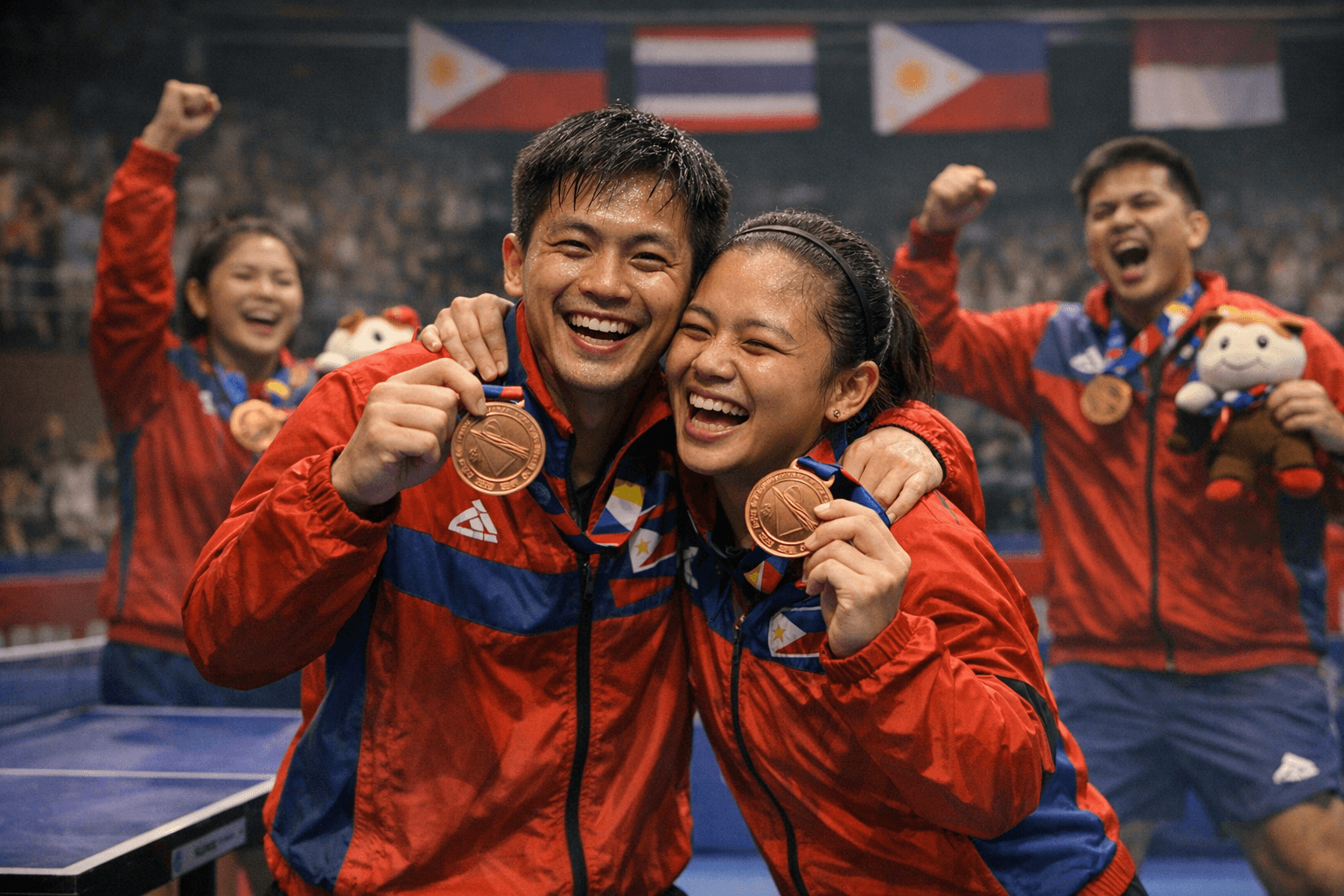
The immediate practical value for the local table tennis community is clear. Medal success raises the sport’s profile, which can lead to better access to funding, more invitations to international events, and renewed interest at clubs and schools. Local coaches can use the performances as case studies for tactical preparation and mental management in team events. Players eyeing national selection now have visible examples of pathways from collegiate competition to international podiums.
This dual podium outcome also creates momentum for organizers and associations to expand talent pipelines, increase competitive opportunities, and refine coaching curricula. For fans and players across the country, the bronze medals are both vindication and a call to action. The challenge now is to translate this historic weekend into sustained progress that moves Philippine table tennis from regional success to consistent international competitiveness.
Know something we missed? Have a correction or additional information?
Submit a Tip