Preliminary Rounds Underway at WTT Contender Muscat With Nearly 200 Players
Preliminary rounds at WTT Contender Muscat feature nearly 200 players from 34 countries, offering ranking points and exposure for rising stars.
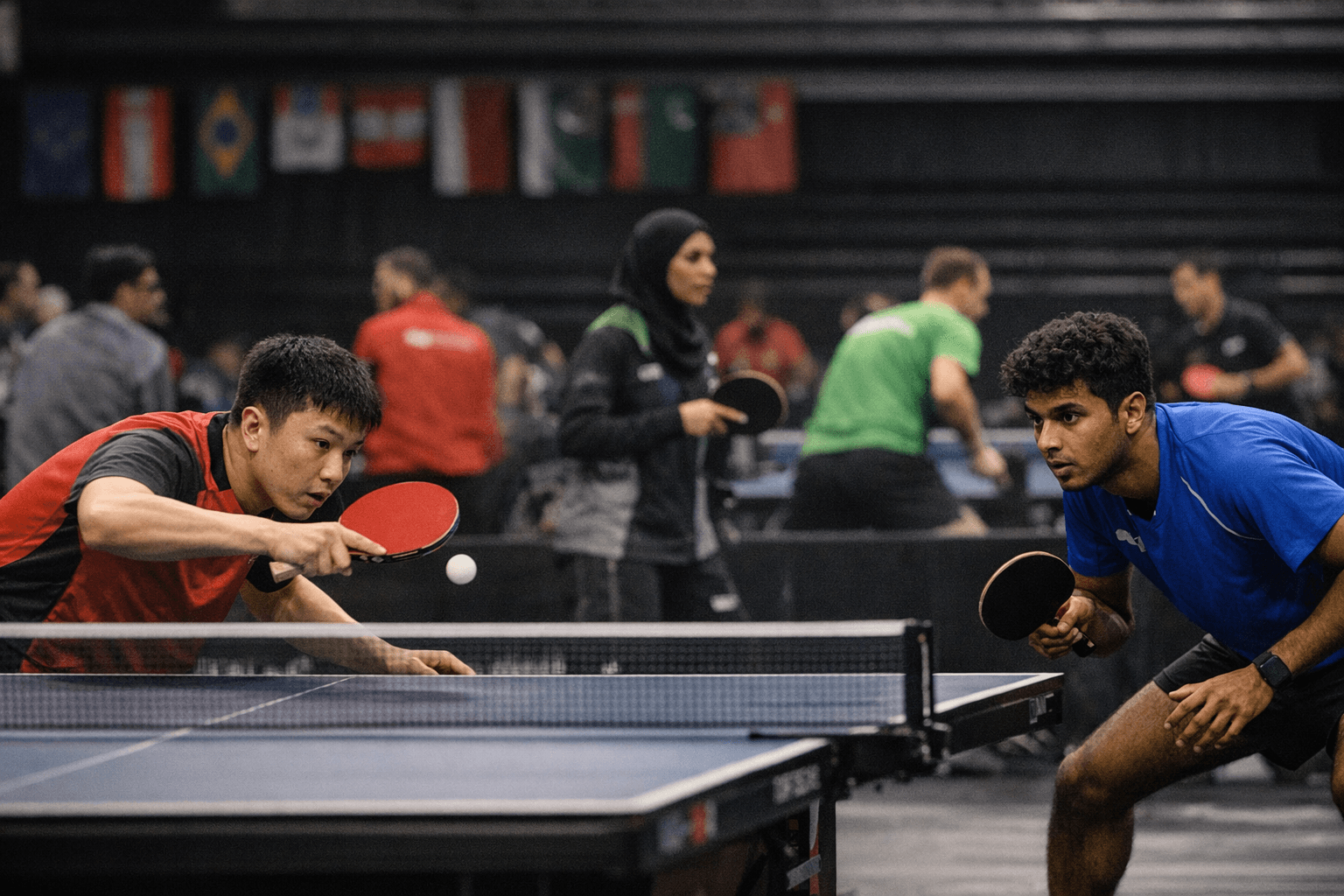
1. Preliminary rounds get underway
The preliminary rounds of the WTT Contender Muscat got underway on Monday, marking the official start of the international table tennis championship hosted in the Sultanate of Oman. Those opening matches set the tone for a busy six-day schedule, with a dense slate of rubbers that will determine who advances into the later stages. For players, coaches and local fans, the preliminaries are where form, fitness and match sharpness are tested under tournament pressure.
2. Nearly 200 players competing
The event brings together nearly 200 men’s and women’s players, creating one of the fuller entry lists on the Contender circuit this season. That size means long days for competitors and officials, tight turnaround between matches, and plenty of opportunity for lower-ranked athletes to put themselves on the radar. For community members and clubs, a field this large is a chance to scout talent and study a variety of playing styles in a single venue.
3. Broad international representation, 34 countries
Competitors represent some 34 countries, with entries including players from China, Chinese Taipei, Germany, Hong Kong, India, Italy, Poland, Portugal, Romania, Serbia, Singapore, Türkiye and the United States, among others. That diversity raises the technical bar and brings a mix of tactical approaches, from heavy spin and close-to-the-table counter loopers to flat hitters and defensive specialists. For coaches and developing players, exposure to this range of styles is practical learning, seeing adjustments and match-ups that can inform local training plans.
4. Matches held at Sultan Qaboos Sports Complex main hall
All matches are taking place in the Sultan Qaboos Sports Complex’s main hall, which hosts the event’s concentrated schedule and spectator activity. Centralizing play in a single main hall helps maintain consistent playing conditions, important for judging spin, bounce and service reception, and makes it easier for fans and media to follow many matches in quick succession. Local organizers and volunteers benefit from this layout, too, as it streamlines logistics and spectator flow.
5. Six-day championship format, finishing Saturday
The tournament runs across six days, with early rounds compressed into the opening sessions and later rounds scheduled toward the weekend, and is slated to finish on Saturday. That compact timeline rewards players who can manage recovery and adapt quickly between matches, while giving coaches and physios a premium role in player preparation. For traveling fans, the week-long structure offers plenty of viewing options and multiple chances to catch rising talents and seeded players.
6. Importance on the WTT Contender calendar
Muscat’s status as a WTT Contender event makes it an important stop for players chasing ranking points and match exposure outside the upper-tier World Table Tennis events. Contender tournaments are where many rising players bridge the gap between regional level play and the international spotlight, so strong performances here can accelerate moves up the rankings. For national programs and agents, Contender results are immediate data: who’s ready for bigger draws and who needs more work.
7. Depth of field creates high-stakes opportunity
Preview coverage noted the depth of the field, which translates into tougher early rounds and a higher chance of surprises or upsets. Depth matters because it forces seeded players to be match-ready from their first rubber and gives less-known competitors a platform to make names for themselves. For community leagues and academies, watching deep draws unfold is a reminder that consistent training and competition exposure pay off, depth at the top filters down through national systems.
8. Exposure for rising players and practical benefits
Beyond points, the event offers exposure, match footage, scouting opportunities and the chance to face varied opponents under event conditions. That visibility can lead to selection for higher-level events, sponsorship interest, or invitations to training camps. Local players in attendance can take practical lessons on pacing tournament weeks, adjusting tactics mid-match, and the mental approach needed to compete internationally.
9. Coverage and follow-up reporting
A preview summarized the championship and signaled that full match reporting would follow later in the week, so readers should expect detailed match results, highlights and player interviews as the tournament progresses. For followers who want to track specific names or national contingents, timely reporting will be the practical way to catch momentum shifts and breakout performances. Media attention also amplifies community engagement, clubs can use coverage to promote local viewing meetups and to celebrate athletes who advance.
10. Community impact and local engagement
Hosting Muscat boosts the local table tennis scene by creating volunteer roles, opening practice and observation opportunities for regional players, and drawing international attention to Omani facilities. Events like this can ignite grassroots interest, young players seeing elite play live are more likely to stick with training and set higher goals. For organizers elsewhere, Muscat is a reminder that bringing big fields to accessible venues grows the sport from the ground up.
11. Takeaways and practical advice for players and fans
If you’re a player, treat early Contender matches as both a ranking opportunity and a learning laboratory: focus on recovery, adaptive tactics and studying opponents’ patterns; the depth means every match is a test. If you’re a fan or coach, use the compact schedule to plan which sessions to attend based on playing styles or national contingents you want to follow, and look for breakout names who might be tomorrow’s seeds. Being present, whether courtside, watching streams, or reading post-match reports, turns tournaments like Muscat into actionable lessons you can apply to training, selection and local club programming.
Know something we missed? Have a correction or additional information?
Submit a Tip