Routine Table Tennis Racket Care: Clean Rubbers, Protect, Rotate, Replace
Routine care steps for rubbers and rackets keep spin, control, and lifespan intact; clean, protect, rotate, and replace regularly to avoid performance drop and extra cost.
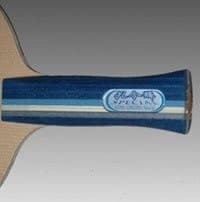
Clean rubbers after every session to preserve tackiness and spin. Use a specialized rubber cleaner or a slightly damp sponge and a soft rubber-care sponge to remove sweat, dust, and glue residue. Avoid alcohol-based solvents that strip tackiness and accelerate rubber aging. After cleaning, apply a protective adhesive film to the topsheet to lock in grip and delay surface wear.
Store paddles in cases away from heat and humidity to prevent glue breakdown, warping, and premature rubber degradation. Keep cases off radiators, car trunks, and damp basements. If you travel with rackets, use a padded case and avoid leaving paddles in a hot car or a damp bag overnight.
Rotate rackets when you play frequently. Give rubbers time to rest between sessions by alternating paddles or using a backup racket. Rotating preserves consistent bounce and spin, and reduces the rapid performance loss that comes from continuous play on a single rubber.
Replace rubbers based on usage rather than calendar age. A practical guideline is: replace rubbers roughly once per number-of-days-per-week that you play equals number-of-times-per-year you should re-rubber. For example, if you play three days a week, plan to change rubbers about three times a year. Adjust this rule based on how the rubber feels during play: loss of grip, reduced spin, and uneven bounce are signs that replacement is due.

Manufacturers and specialist shops offer consistent recommendations and purpose-built products. Butterfly’s Racket Care recommendations, product-specific care kits, and independent repair writeups all emphasize water-based, non-VOC cleaners and protective films as effective, low-risk options. Use products labeled for table tennis rubbers rather than household cleaners that can contain solvents harmful to rubber topsheets.
Practical steps to keep at hand include a soft rubber-care sponge, a small bottle of water-based cleaner, adhesive protective films, and a quality case. Inspect rubbers regularly for bubbling, tears, or loss of surface tack, and mark replacement dates if you re-rubber frequently. If you don’t have a second racket, consider scheduling re-rubber work around lighter competition periods so you aren’t caught without a match-ready blade.
Routine care reduces long-term costs, keeps your serves and loops consistent, and helps you feel at home with your racket’s touch. Clean after play, protect the surface, rotate when you can, and replace according to how often you play - those four habits keep the spin alive and the game steady.
Know something we missed? Have a correction or additional information?
Submit a Tip