Seoul Table Tennis Club Builds Community, Coaching, and Competition in Coquitlam
Seoul Table Tennis Club turns a table tennis floor into a neighborhood gathering place, with coaching, leagues, and senior lunches drawing a fast-growing Coquitlam crowd.

A club built for belonging
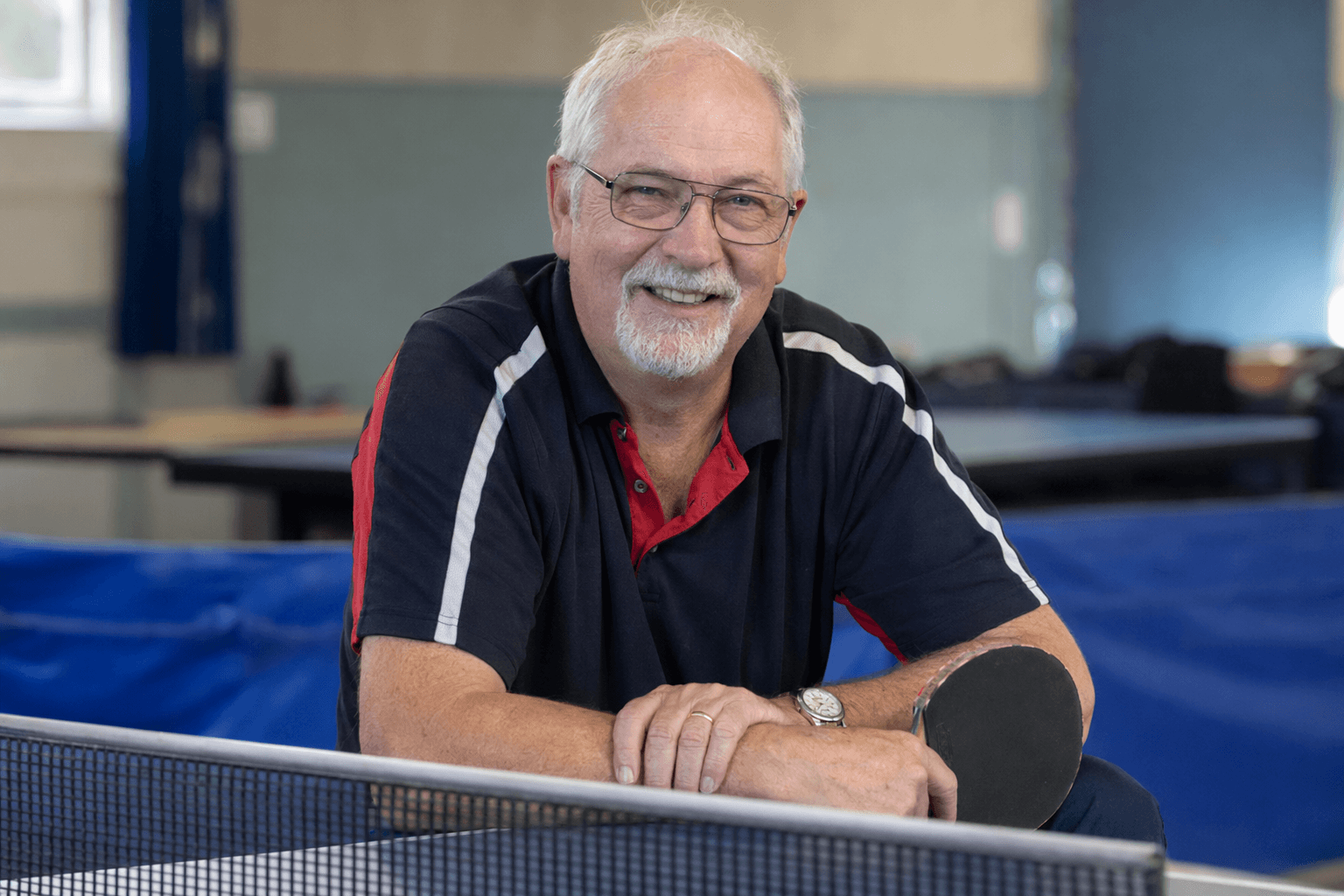
Seoul Table Tennis Club matters because it is doing more than renting table time. The Butterfly Online club feature presents it as a place where Korean communities, church groups, and senior players all show up for exercise, social connection, and a sense of unity, while the club explicitly welcomes all ethnicities. That blend is what turns a local table tennis room into a neighborhood anchor: people come for the sport, then stay because the club gives them a regular place to belong.
The setting helps. The club sits in Coquitlam, on the east side of Vancouver, just off British Columbia Highway 7, so it is easy to reach by car or public transit. Its address, #200-115 Schoolhouse Street, and its long operating hours make it feel built for repeat visits rather than occasional drop-ins. On weekdays, the room is open from 10:30 a.m. to 10:30 p.m., and Saturday runs from 10:30 a.m. to 7:00 p.m., which is the kind of schedule that supports after-work play, daytime senior sessions, and league nights without forcing everyone into the same narrow window.
Why Coquitlam is ready for this kind of club
Coquitlam is not a random backdrop. Statistics Canada counted 148,625 residents in the city in the 2021 Census, and the immigrant story there is deeply international, with China, South Korea, and Iran listed as the top three places of birth among immigrants living in the city. Korean also stands out in the visible-minority table, where 11,900 people were counted in 2021, up from 9,930 in 2016. In a city growing this quickly, a club that speaks to multiple communities is not just welcoming, it is strategically aligned with the people already living there.
That is part of why the Seoul Table Tennis Club model lands so well. Coquitlam’s city government says it is one of the fastest-growing municipalities in British Columbia, and it also offers 50 Plus Services for residents 50 years and older. The club’s senior coaching, social programming, and Saturday warm lunch line up neatly with that civic reality. For older players who want movement, routine, and company, the club is not offering a bonus feature. It is offering one of the few places where exercise and social life happen in the same hour.
What players actually get when they walk in
The club’s programming is broad enough to serve different motivations without losing its identity. Senior communities receive professional coaching, amateurs can enter regular tournaments, league and monthly events keep the calendar active, and one-on-one coaching gives players a more personal path for development. The warm lunch on Saturdays for seniors may sound simple, but that detail says a lot about the club’s priorities. It is not treating food, conversation, and downtime as extras. It is building them into the experience.
That mix also explains the club’s early growth. Butterfly’s earlier profile said Seoul Table Tennis Club had been established only four months before and had already reached about 100 members. That kind of momentum usually does not come from a single strong result or a flashy opening. It comes from a club solving practical problems at once, giving people a place to play, a reason to return, and a social circle that forms naturally around the table.
The habits other clubs can copy
Seoul Table Tennis Club offers a useful blueprint for any local scene that wants to grow without losing its community feel. The lessons are surprisingly practical.
- Make the club easy to reach. Being just off a major road and accessible by transit lowers the barrier for first visits and repeat visits.
- Build for more than one age group. Senior coaching and youth or adult competition do not have to compete with each other if the schedule is designed well.
- Give social time the same respect as drill time. Saturday lunch for seniors is not decoration, it is retention.
- Keep competition visible. League play, monthly events, and regular tournaments give players a reason to improve and a reason to return.
- Offer personal development. One-on-one coaching helps the club serve players who are not looking for a generic open play night.
- Keep the door open. The explicit welcome to all ethnicities matters in a multicultural city, because it tells people they are invited before they even enter the room.
That is the larger takeaway from the Seoul Table Tennis Club story. Table tennis grows fastest when a club becomes a routine, not just a venue. In Coquitlam, that means a room that respects the immigrant communities already there, supports active aging, keeps competition alive, and makes the first return visit feel as natural as the first one. The table is still the center, but the community built around it is what makes the club matter.
Know something we missed? Have a correction or additional information?
Submit a Tip