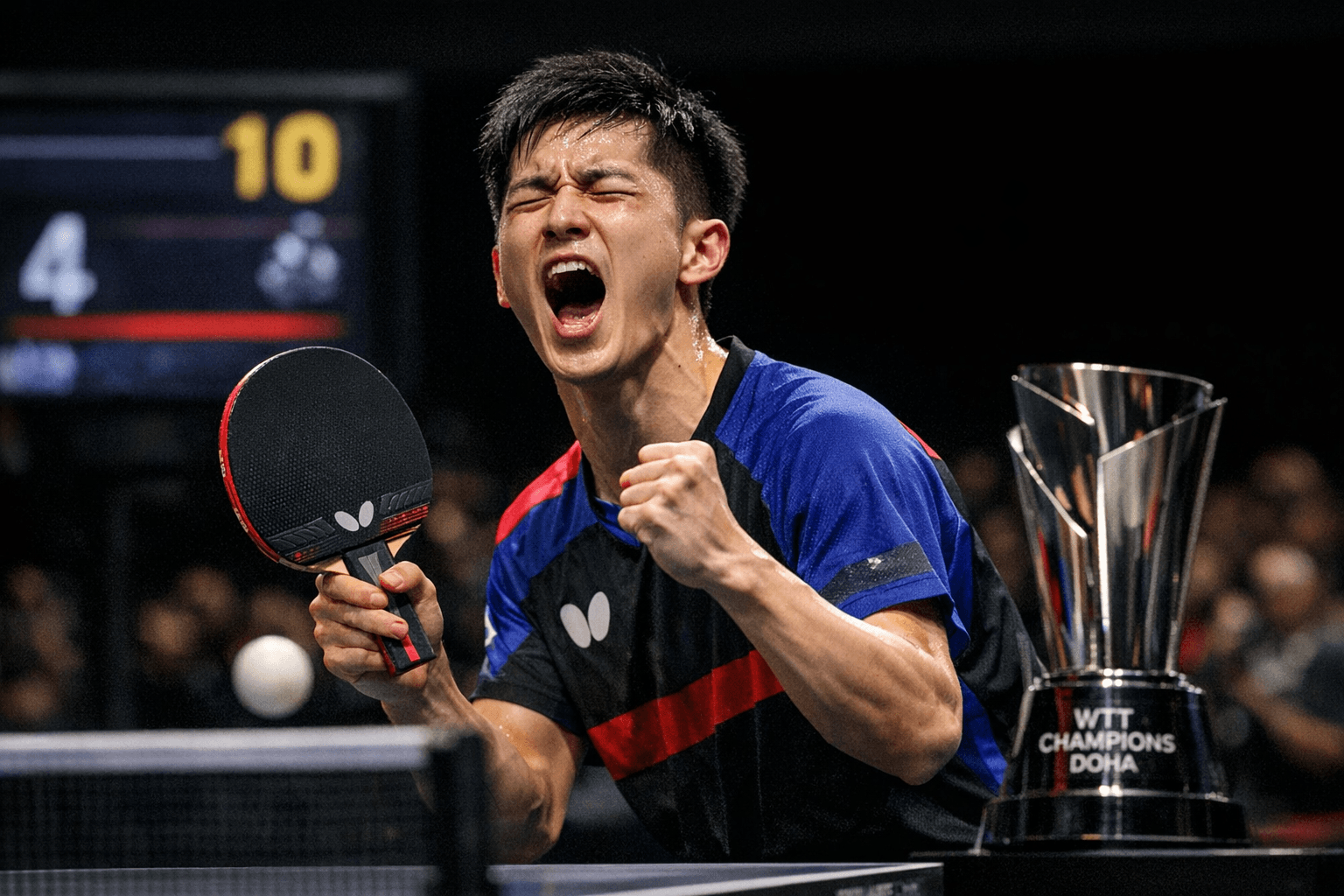
Short pips and anti-spin surge among recreational players, boosting club nights
Recreational players have embraced short pips and anti-spin, shortening rallies and lifting club-night attendance as social players chase variety and tactical novelty.
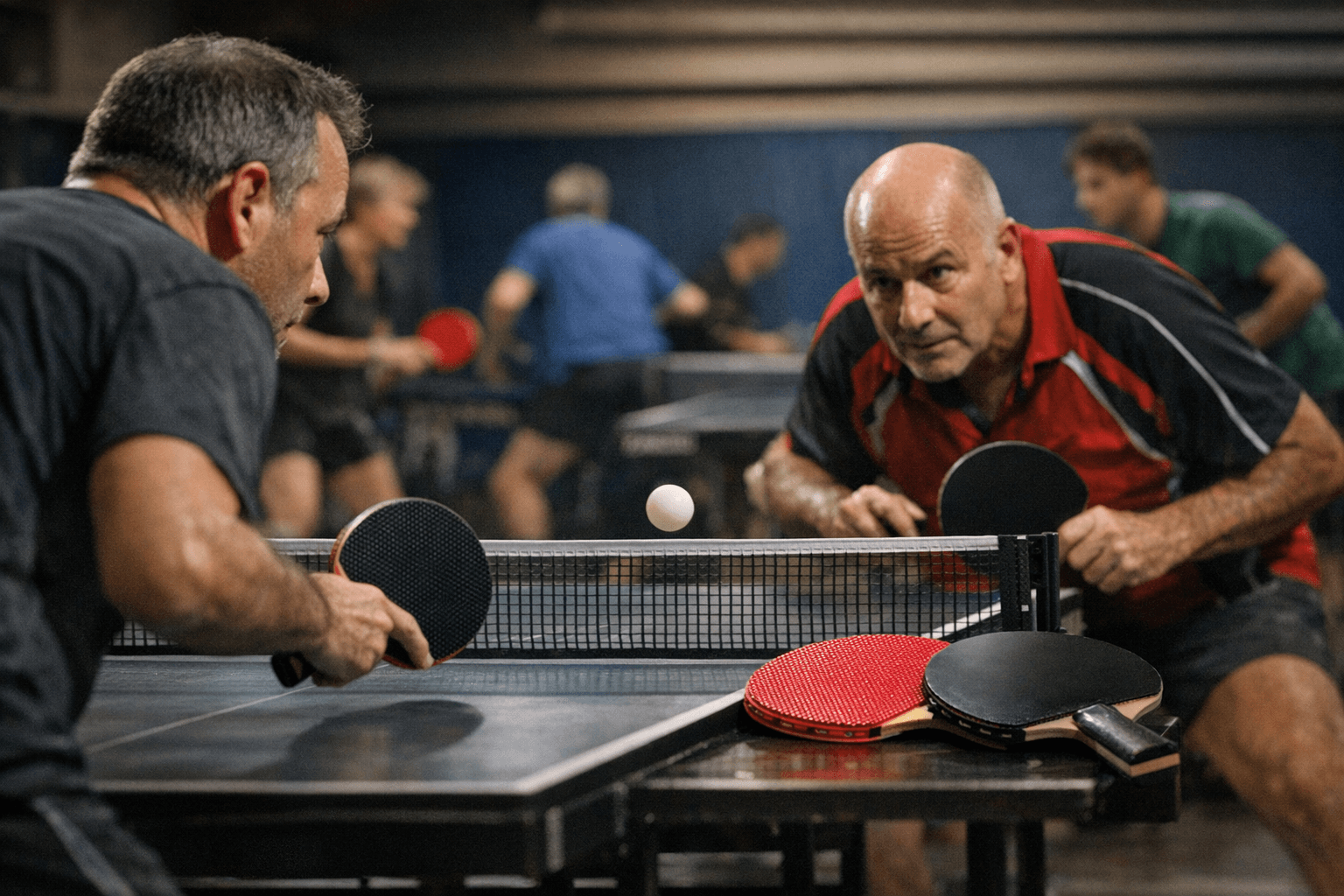
A noticeable shift toward short-pimple and anti-spin rubbers among recreational players has changed the feel of many club nights, bringing new tactics, faster rallies, and higher turnout. Over the last 12 months coaches, club captains and racket technicians reported steady interest from newer players keen to break the routine of topspin exchanges, and several clubs introduced dedicated short-pips evenings that attracted lapsed and social members.
Coaches said the appeal is simple: short pips produce fast, flat returns that reward timing, while anti-spin rubbers provide a low-risk way to neutralize aggressive loops. Club match captains noted that both rubber types shorten rallies and add a disruptive layer to social play that many find enjoyable. The result has been a visible boost in participation at club sessions where these styles are encouraged.
Technical demands are different from standard inverted play. Short pips require altered stroke timing, more wrist usage on returns, and compact blocking with an emphasis on placement rather than heavy spin. Anti-spin rubbers perform best against slower incoming loops and force opponents to change their rhythm. Racket technicians advising players pointed to blade compatibility as a real factor; not every blade pairs well with pips or anti-spin, so consultation is advisable before making a switch.
Practical recommendations for players experimenting with disruptive rubbers have emerged from club coaches and technicians. A conservative pathway is to fit short pips on the backhand while retaining inverted rubber on the forehand to preserve topspin options. Coaches recommended a trial period of 2–4 months before committing to a new rubber setup, allowing players to adapt timing and footwork without discarding their existing game immediately.
On January 23, 2026 three club coaches described how they introduced short-pips nights to test interest and coach basic tactics. Those evenings focused on simple drills that emphasised blocking, placement and serve variation rather than extended topspin rallies. Club organisers reported that players who attended out of curiosity returned regularly, and some clubs adjusted rotas to include more disruption-focused practice and match formats.
For recreational players this trend matters because it lowers the barrier to tactical variety and keeps club nights fresh. If you want to test short pips or anti-spin, start with a backhand trial on a compatible blade, commit to the recommended 2–4 month learning window, and consult a racket technician for optimal pairing. Expect shorter rallies, more tactical exchanges and a livelier club atmosphere as more social players pick up the pips.
Know something we missed? Have a correction or additional information?
Submit a Tip