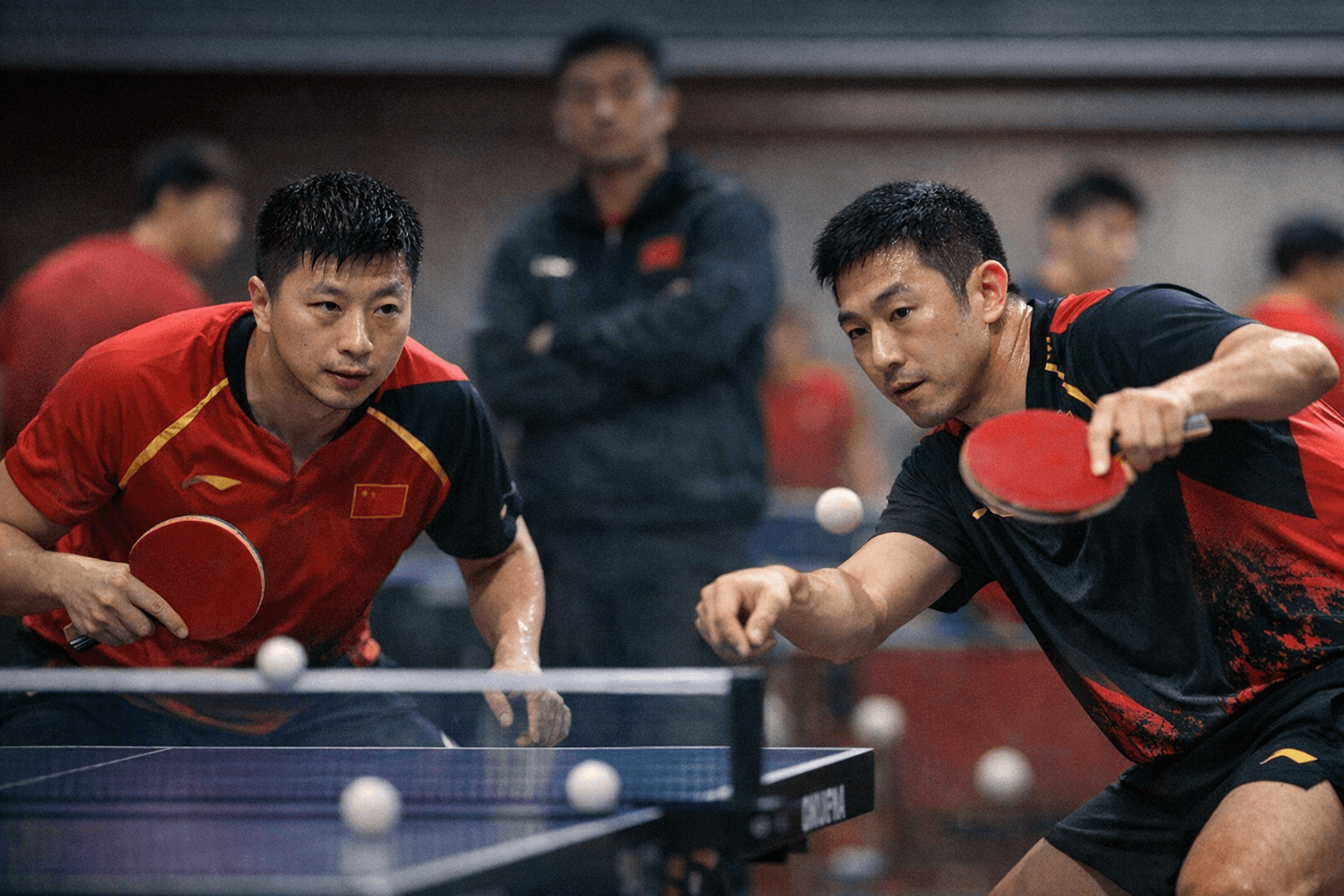
Texas State Championships Tops 130 Entries, Showcasing Rapid Growth
Texas State Championships passed 130 entries in San Antonio, signaling another big stop in a state where club ladders, ratings chases and local pipelines keep growing.
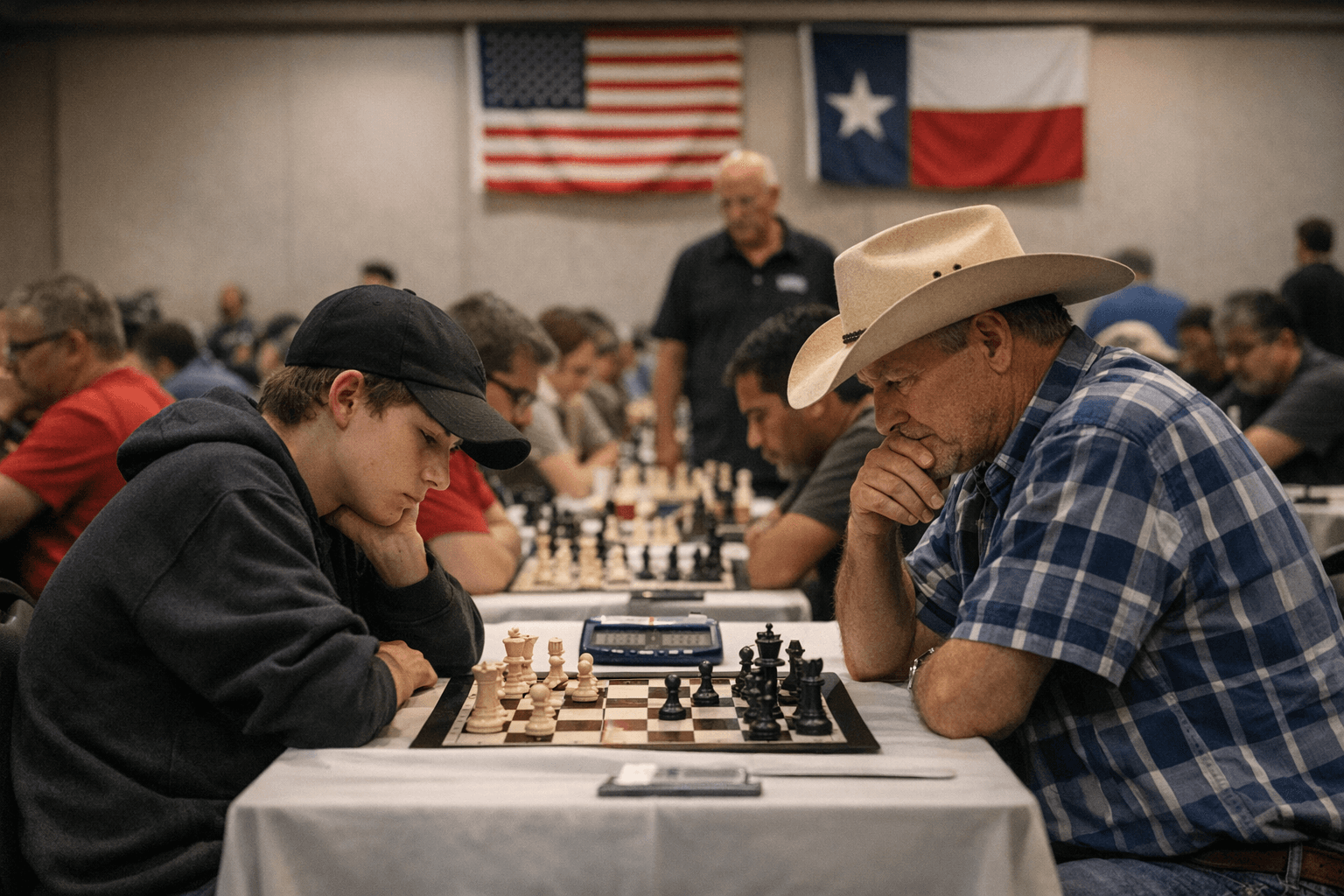
San Antonio is again the center of Texas table tennis, and the number that matters most is 130-plus. The 2026 USATT Texas State Championships, hosted by the San Antonio Table Tennis Club from April 17-19, already topped 130 entries, a strong sign that the state series still pulls serious weight for league players chasing ratings, coaches hunting match reps for their juniors, and clubs looking for a weekend that can feed the next wave of members.
USATT has placed Texas as the second State Series event of 2026, following the South Carolina Open, which drew more than 90 participants. That matters because the State Series is becoming more than a calendar filler. Clubs are being invited to bid for the 2026 series, and Texas is one of the clearest examples of why the format works: it gives players a dependable high-level stop without needing a national championship budget, and it gives local organizers a reason to build something bigger around one competitive weekend.
The Texas event also carries real history. Ratings records for the Texas State Championships go back to 1997, and early champions Viktor Subonj and Eric Owens are part of the foundation that made the tournament a meaningful marker in the state’s competitive scene. The recent turnout shows that the event has not just survived, it has stayed relevant. USATT’s 2024 championship drew 122 players across 24 events at Texas Wesleyan University in Fort Worth, while the 2023 edition brought 134 competitors to the Alamo City across 16 events. In a sport where one extra draw can change a player’s ratings path for the next six months, that kind of turnout is not cosmetic.
San Antonio’s role goes beyond one tournament weekend. SATTC president Cyril Mayeux has overseen a club that USATT has recognized as ready for large-scale events, with a tournament setup that includes fifteen tables and a centralized finals court. Vlad Farcas, who joined SATTC in 2018 and became president in 2020, helped push that infrastructure forward. The result is a place where a state championship can serve multiple audiences at once: players get matches, coaches get scouting opportunities, and clubs get a built-in recruiting anchor. In Texas, that is how a state championship becomes part of the sport’s growth engine.
Know something we missed? Have a correction or additional information?
Submit a Tip