Three-Day Table Tennis Tournament Boosts Youth Sports and Unity
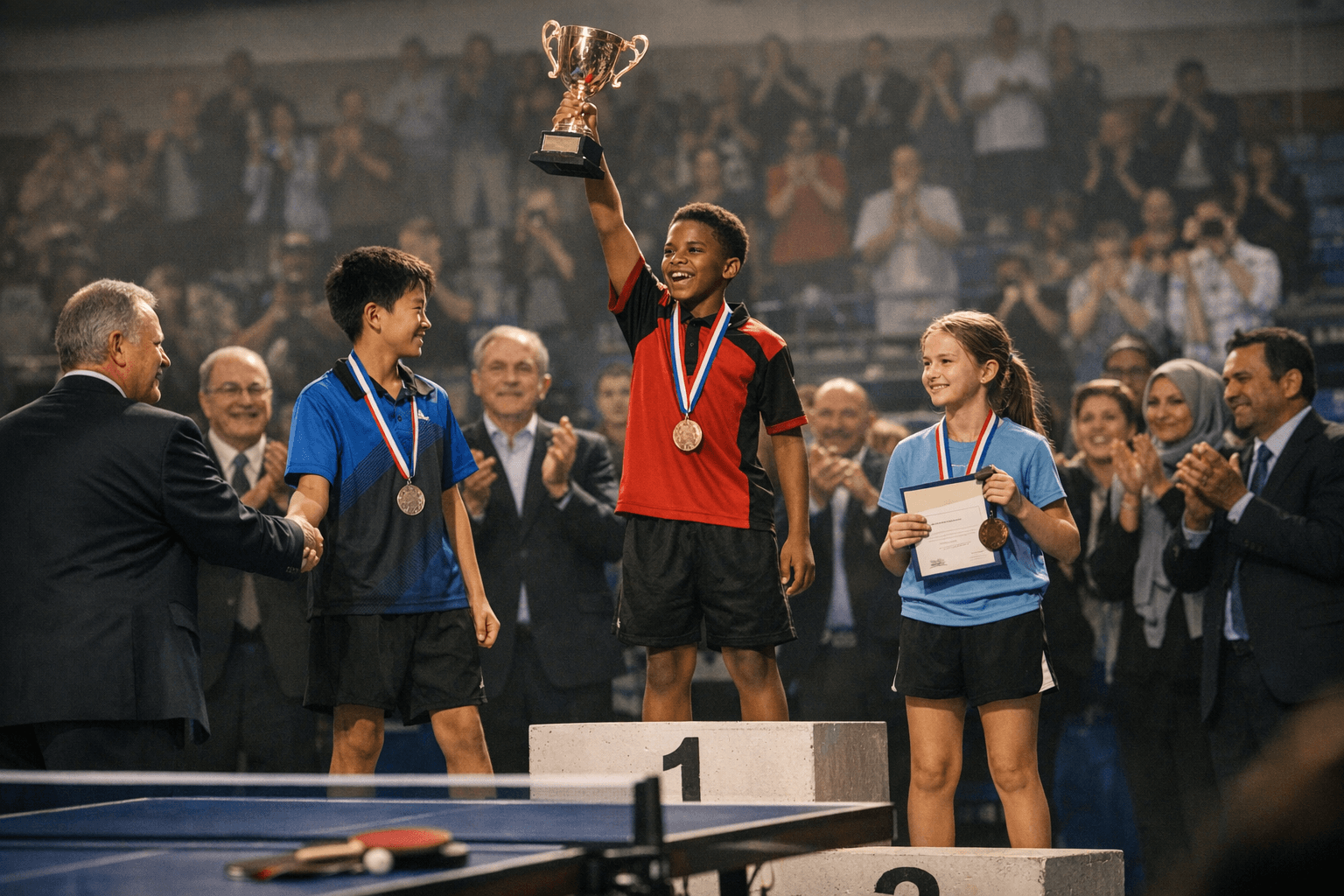
A three-day table tennis tournament hosted by ARCS concluded with an awards ceremony at the Olympic and Physical Education Gymnasium on December 27, 2025, drawing officials and community members to celebrate competition and cohesion. Organizers and senior officials emphasized the event's role in youth development and pledged expanded support for sports activities across the country.

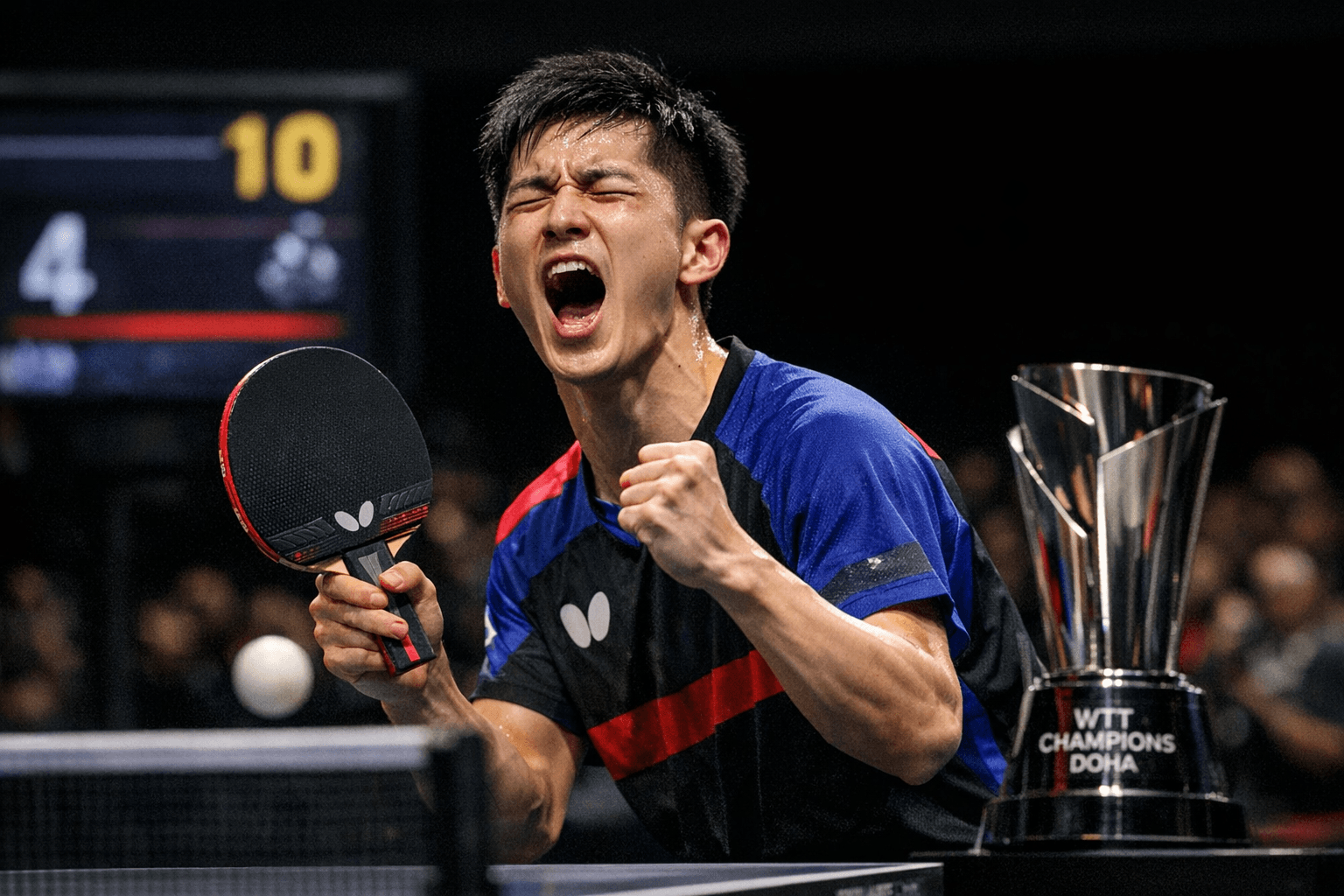
A three-day table tennis tournament organized by ARCS wrapped up on December 27, 2025, with an awards ceremony at the Olympic and Physical Education Gymnasium. The event brought players from across the region together for competitive play, community engagement and a public recognition of winners in multiple categories.
Officials in attendance included Mawlawi Ahmadullah Wasiq, Director General of the Department of Olympics, Physical Education and Sports, his deputy, and senior leadership from ARCS. Organizers used the closing ceremony to underscore sport's value for youth development and social unity, highlighting how organized competition and recreation can contribute to physical and mental wellbeing.
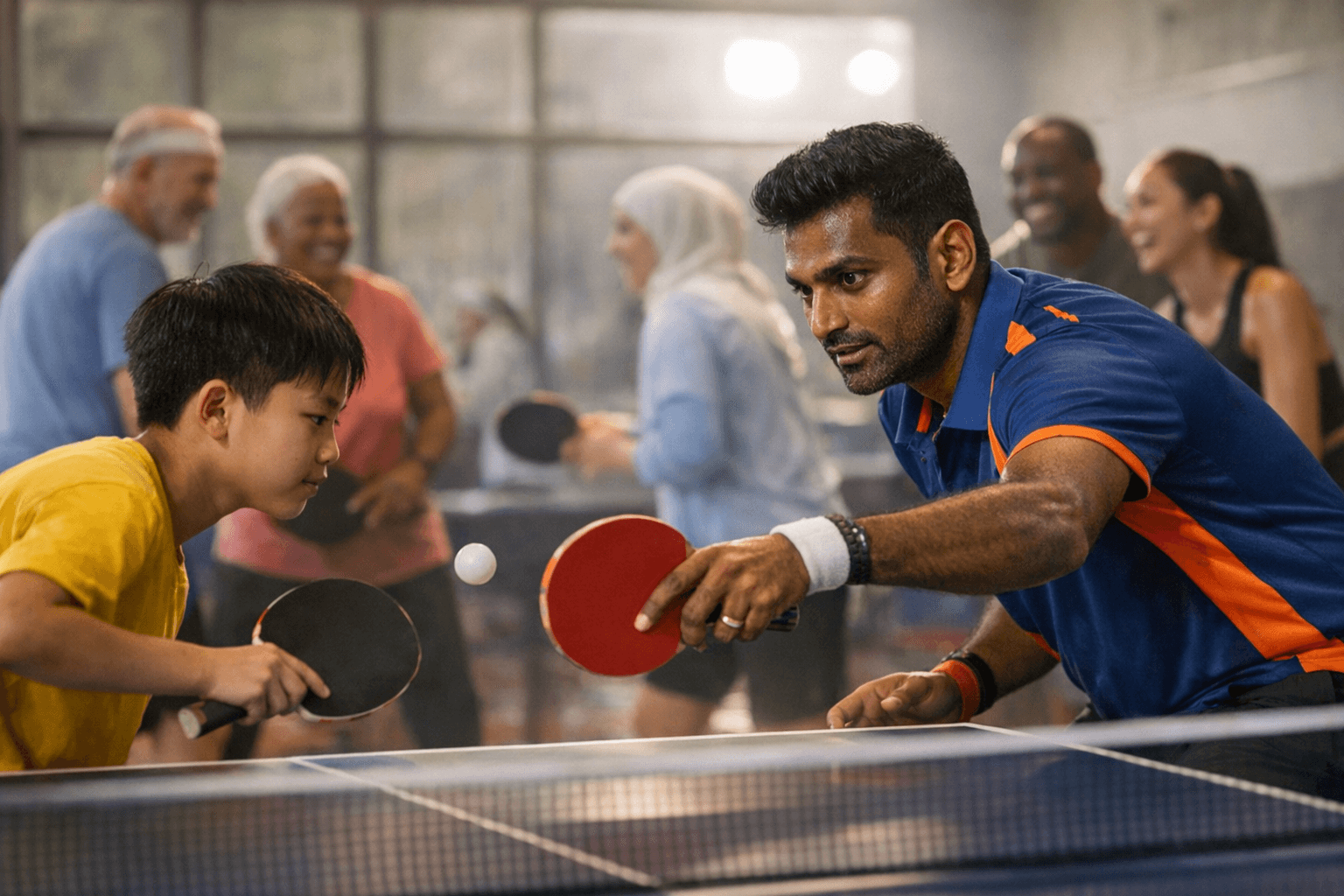
The tournament combined grassroots competition with a focus on community-building. Spectators and participants reported lively matches and a clear emphasis on fair play and encouragement for younger players. ARCS leadership and the Department of Olympics, Physical Education and Sports pledged continued support to expand sports activities nationally, signaling plans to increase opportunities for training, local tournaments and access to facilities.
Humanitarian organizations such as ARCS are playing an increasingly visible role in running community sport events, using them as platforms to promote wellbeing and social cohesion. By coordinating logistics, securing venues and organizing awards ceremonies, these groups create entry points for young people to engage in structured activity while fostering connections across neighborhoods and age groups.
For local clubs and community leaders, the tournament demonstrated practical pathways to broaden participation. Smaller clubs can mirror the event's structure, multi-day schedules, a mix of competitive and exhibition matches, and a public awards segment, to attract families and sponsors. Expanding school and community partnerships was noted as a next step for sustaining momentum and reaching more youth outside urban centers.
The event also highlighted the symbolic value of sport as a neutral space for interaction and mutual respect. Organizers emphasized that regular competitions and accessible training can reduce social isolation and provide positive outlets for energy and talent.
With the Department and ARCS committing to further development, communities can expect more organized opportunities for table tennis and other sports in the coming months. Continued collaboration between humanitarian organizations, government sports departments and local clubs will be central to turning one-off tournaments into sustained programs that benefit youth, families and wider communities.
Know something we missed? Have a correction or additional information?
Submit a Tip