Tournament Etiquette and Essential ITTF Laws Every Beginner Table Tennis Player Needs
A clear primer for beginners on tournament etiquette and key ITTF equipment laws to prevent penalties and make the move from club play to sanctioned events smoother.
Moving from club nights to sanctioned tournaments is a big step, and getting the basics of etiquette and the ITTF equipment laws right can save time, avoid penalties, and keep matches flowing. Arrive on time, head straight to the call area or notice board, and listen for pairing and warm-up instructions so you do not miss your match. Tournament staff rely on punctual players to keep schedules tight and courts full.
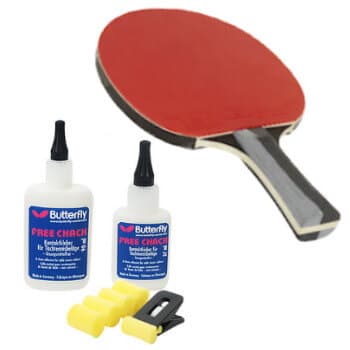
Bring your racket and be ready to present it for inspection if requested. Umpires and opponents can ask to see your racket coverings and sponge; failure to present your bat when asked can lead to delays or sanctions. Make a habit of carrying a backup racket or spare coverings, and check that your rubber is listed among ITTF-approved coverings. Confirm the legality of your racket construction before you arrive to avoid having to change gear on site.

Dress in appropriate sports clothing and non-marking shoes. Avoid shirt colours that camouflage the ball under venue lighting; high-contrast colours help umpires, opponents, and spectators track spin and flight. Obey the umpire and assistant umpire during play, from service calls to scorekeeping. Respect for opponents, officials, volunteers, and the venue keeps tournaments welcoming and reduces disputes that interrupt play.
Understand the essential equipment laws that tournaments enforce. Tables, balls, racket coverings, and racket construction must meet ITTF specifications. Check table dimensions, ball size, which racket coverings are approved by ITTF, and the permitted racket thickness limits before you enter an event. These points are standard in the ITTF Handbook and are summarized by coaching and equipment resources aimed at players entering sanctioned events. Familiarity with these rules means fewer surprises during pre-match inspections and a quicker run through check-in.
Practice basic sportsmanship habits at club play so they become second nature in a tournament setting. Call the umpire instead of arguing a point, keep warm-up time efficient, and pick up balls promptly to prevent delays on neighboring courts. Small adjustments - bringing a backup bat, choosing a bright shirt, checking your rubber list - make a noticeable difference on match day.
Getting these elements right matters because tournaments run on tight timetables and clear rules. Follow the etiquette, prepare your equipment to ITTF standards, and respect officials and opponents to move from club-level play into sanctioned competition with confidence and fewer headaches.
Know something we missed? Have a correction or additional information?
Submit a Tip