TT Cup Ukraine 2026 Tactical Breakdown Reveals Tactical Patterns, Key Match Shifts
Short-pimple variation and a single mid-match tactical switch shaped the TT Cup Ukraine on March 29, as TipManager's breakdown reveals the patterns deciding national-level matches.
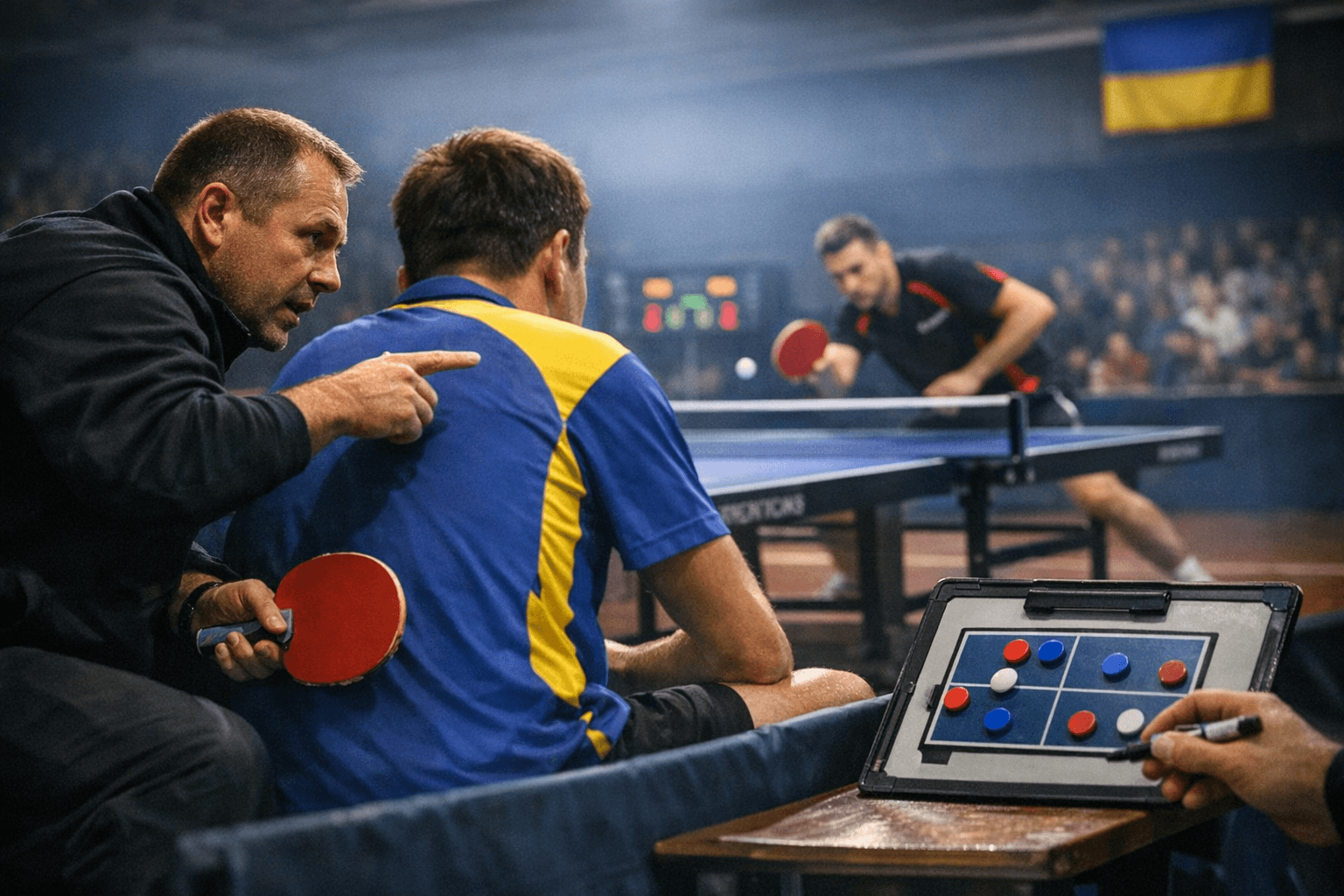
When a player switches mid-match from a backhand-heavy rally pattern to a forehand third-ball attack and wins consecutive games off that single adjustment, it tells you something about preparation. TipManager's match-by-match analysis of the TT Cup Ukraine, held on March 29, 2026, is built around exactly those moments: the tactical pivots, service choices, and footwork decisions that separate winners from near-misses at national and regional level.
The TT Cup drew competitors from across Ukraine and surrounding countries, making it a genuinely representative field at the national tier. TipManager, a specialised table tennis results and analytics blog, covered the event in a detailed write-up published on March 29-30, 2026, that goes several layers deeper than a standard results page.
What the Breakdown Actually Covers
The analysis is structured around match-by-match examination rather than a simple scoreline summary. For each featured contest, TipManager tracks the point-sequence progression, identifies momentum-shift moments, and annotates specific tactical patterns. That means reading the report gives you a picture of why matches moved the way they did, not just who advanced.
Player-specific notes document how winners exploited opponent weaknesses, including racket angle and timing adjustments under pressure, and how footwork dynamics shifted across games. For coaches building scouting dossiers or planning training cycles, that level of specificity is difficult to find in conventional tournament reporting.
Three Recurring Patterns
Three tactical themes emerged consistently across the draw at the TT Cup Ukraine.
- Short-pimple variation in the lower half of the draw. Competitors using short-pimple rubber created awkward ball trajectories that disrupted the looping rhythm of conventional inverted-rubber players. This pattern appeared repeatedly in the lower-bracket matches, suggesting either a clustering of short-pimple users in that section or a deliberate tactical choice deployed against specific opponents.
- Middle-blocking against two-winged loopers. Where opponents built their game around both a forehand and backhand loop, successful middle-blocking strategies proved effective. Blocking to the elbow and middle of the table forced the looper to make positional decisions under time pressure, breaking down the aggressive pattern that two-winged loopers depend on.
- Targeted serves forcing weak third-ball replies. The analysis highlights a shift from passive placement serves to heavy underspin as a concrete example of how service choice changed outcomes. When one player made that adjustment mid-match, it generated weak or short returns that opened up the third-ball attack, turning passive exchanges into offensive opportunities.
The Mid-Match Adjustment That Defined the Event
The clearest illustration of tactical intelligence in TipManager's report is a match in which a player's switch from a backhand-heavy pattern to a forehand third-ball attack produced consecutive game wins. This wasn't a pre-planned game style; it was a within-match read of the opponent's vulnerability and a deliberate change in shot selection that compounded quickly.
TipManager's point-sequence diagrams make these momentum shifts visible in a way that narrative alone cannot. By plotting the sequence of points around the tactical switch, the report shows the exact moment the match changed and connects it to the specific technical choice that caused it. That kind of documentation turns a single match observation into a teachable pattern applicable far beyond this one event.
Performance Metrics Behind the Results
The report doesn't rely only on qualitative description. TipManager cites first-service percentages, unforced error rates, and the proportion of points won on attack versus points won on placement. Together, these numbers separate players who win through aggression from those who win by constructing errors in the opponent's game.
Players who performed above expectations at the TT Cup are identified specifically through these metrics. A high ratio of attack-won points signals a player creating opportunities; a high placement percentage may indicate someone controlling the table without committing to full risk. The combination reveals tactical profiles that match scorelines alone never could, and flags players whose results don't yet reflect the level of their underlying game.
Why This Kind of Analysis Matters for Ukrainian Table Tennis
Analytical coverage at this level fills a specific gap. For the Ukrainian table tennis community, detailed tactical write-ups provide scouting resources that would otherwise require expensive video analysis or in-person observation. TipManager's approach, blending point-sequence diagrams with player-specific footwork and timing notes, creates a format coaches can feed directly into training plans or use to prepare athletes for rematches across the season.
At the national and regional tier, small technical details decide matches. Whether a player's footwork allows them to cover the wide forehand after a middle-ball block, or whether their service variation consistently creates third-ball opportunities, are the margins that determine where careers plateau and where they develop. TipManager's analysis of the TT Cup Ukraine makes those margins explicit and transferable.
The report sits squarely at the intersection of coaching and matchcraft: detailed enough for a performance analyst building a dossier, accessible enough for an ambitious club player trying to understand why their forehand loop breaks down under pressure. For a tournament that might otherwise appear only as a bracket result on a federation website, that kind of coverage gives the TT Cup Ukraine a second life as a tactical resource whose value accumulates as the competition calendar continues.
Know something we missed? Have a correction or additional information?
Submit a Tip