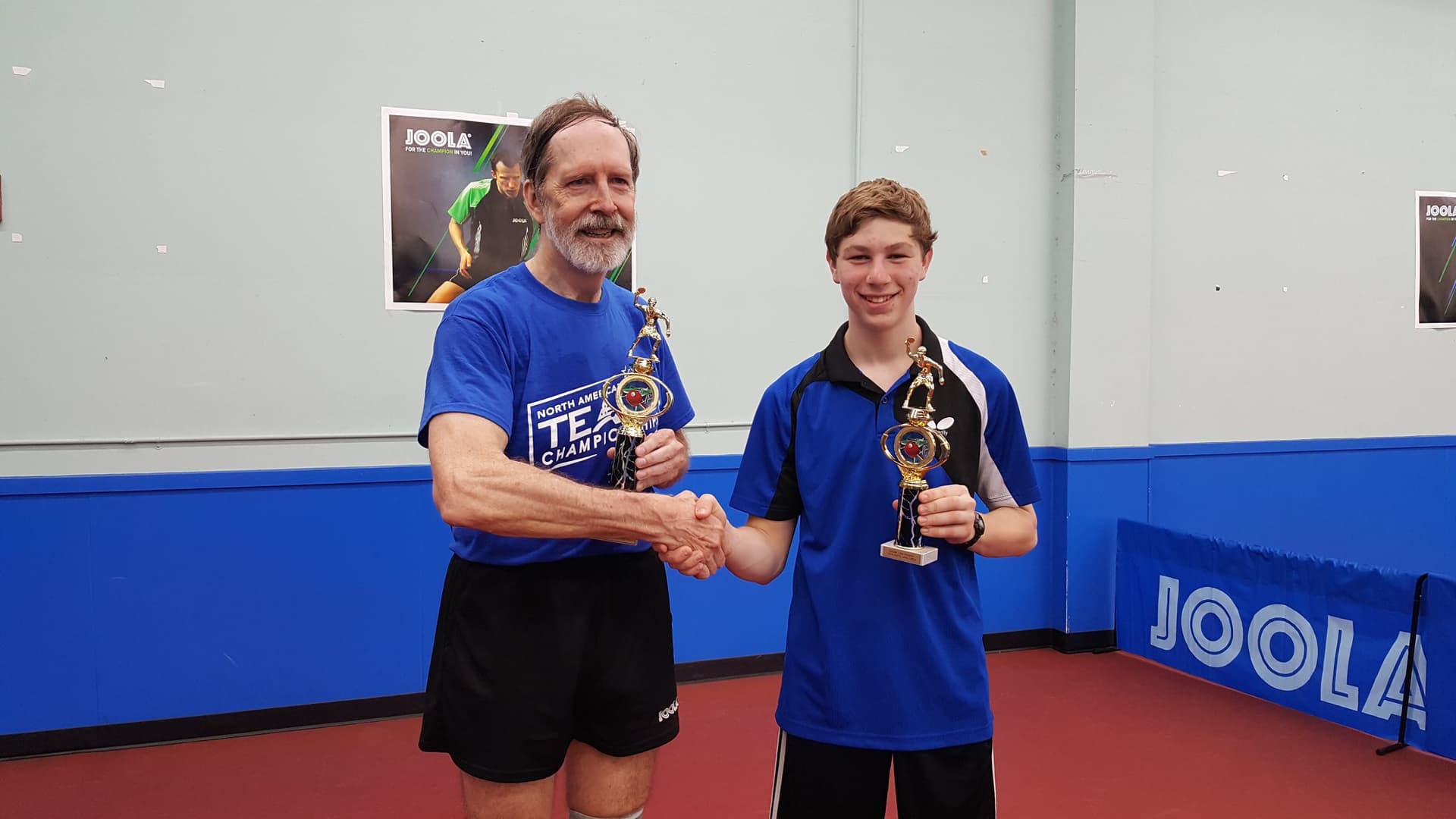
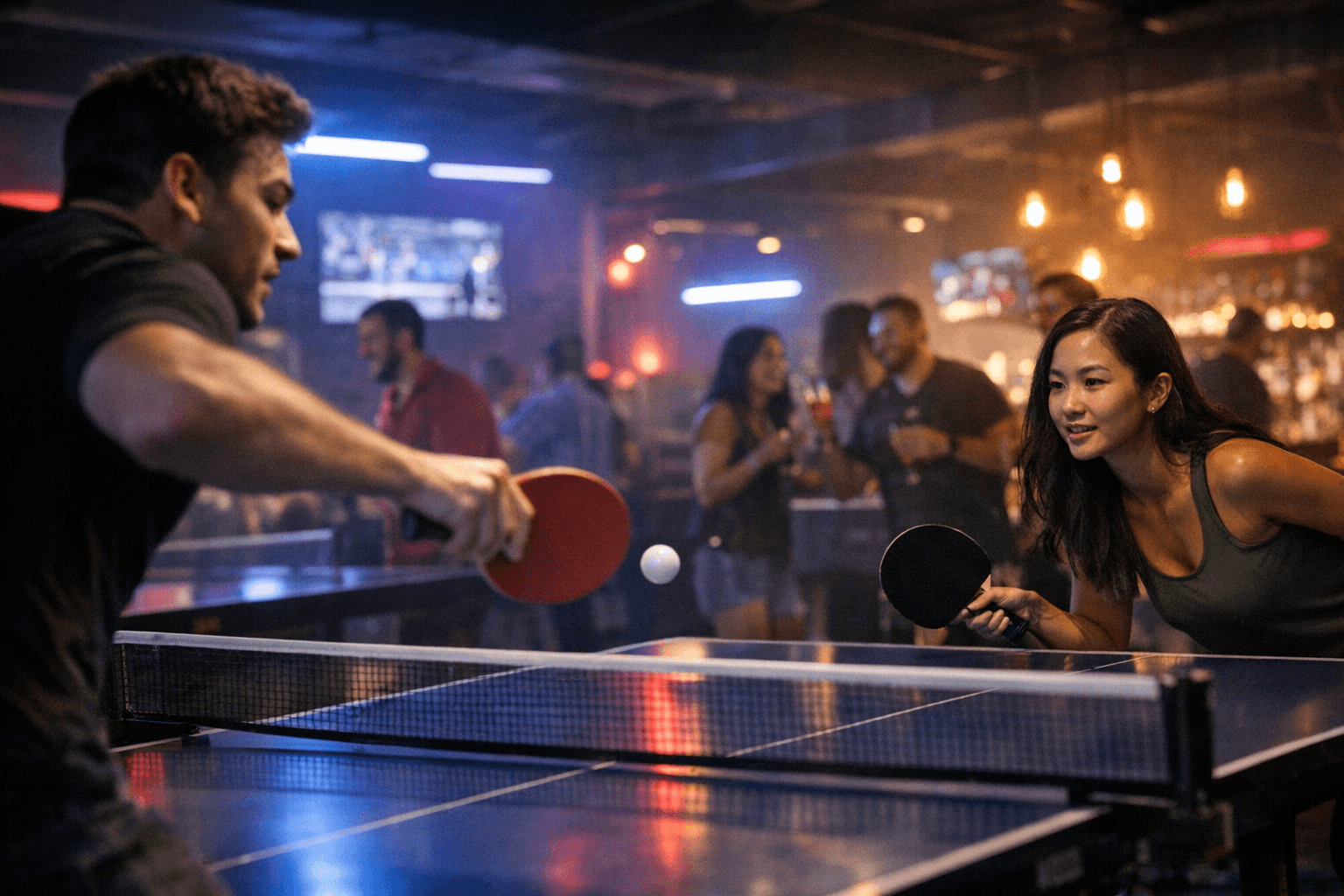
U.S. Charity Foundation Uses Ping Pong to Boost Mental Wellness and Community
A U.S. charity is turning ping pong into a mental wellness tool, bringing its Celebrity SLAMFest tournament model to retirement homes, schools, and nonprofits nationwide.
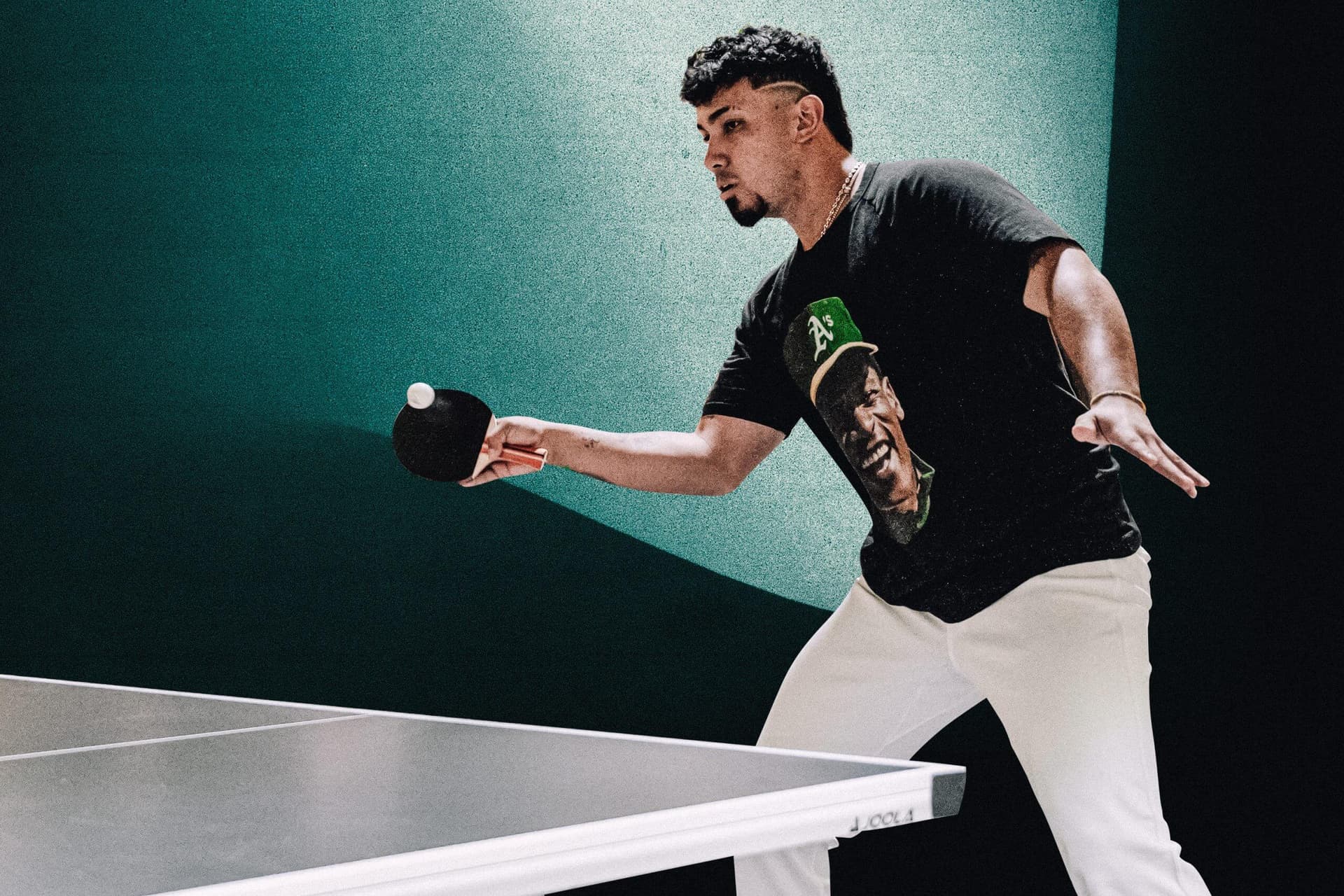
A U.S.-based charitable foundation is building a case that the humble ping pong table belongs at the center of community mental health efforts, deploying table tennis programming across retirement communities, public and private schools, churches, and nonprofits under the banner of PingPong.GIVES.
The foundation's flagship fundraising vehicle is the PingPongforCHARITY™ Celebrity SLAMFest™ Events and Recreation Tournament, a replicable event model the organization offers to partner nonprofits and foundations to host in their own cities. The pitch to potential partners is direct: bring the tournament to your town, raise new funding, and use the paddles and tables as a platform for mental health awareness. According to the foundation's materials, "The annual events, and its proven business model have produced countless benefits for participating, qualifying Non-Profit Organizations and Foundations."
Beyond the celebrity tournament circuit, PingPong.GIVES operates a Table Tennis Health & Wellness Program targeting public and private schools, churches, and nonprofits, alongside a Retirement Community PingPong Health & Social Wellness Club. The programming also spans Table Tennis Leagues, Corporate Events, Private Parties, and Custom Events, positioning the foundation as something of a full-service table tennis community builder rather than a single-event organizer.
The science, at least as the foundation presents it, backs the therapeutic framing. Neuropsychologist Scott Sautter, Ph.D., ABN, describes the sport in terms that any competitive player would recognize: "The neuroscience of playing Ping Pong has been described as a game of 'aerobic chess.' It's great for eye-hand coordination, reflexes, balance, planning, strategy and a stress-reliever exercising the mind and body in a satisfying activity for everyone." The "aerobic chess" framing captures something real about the sport: the split-second read on an opponent's paddle angle, the rapid loop-or-block decision-making, the footwork that keeps recreational players moving without realizing they're exercising.
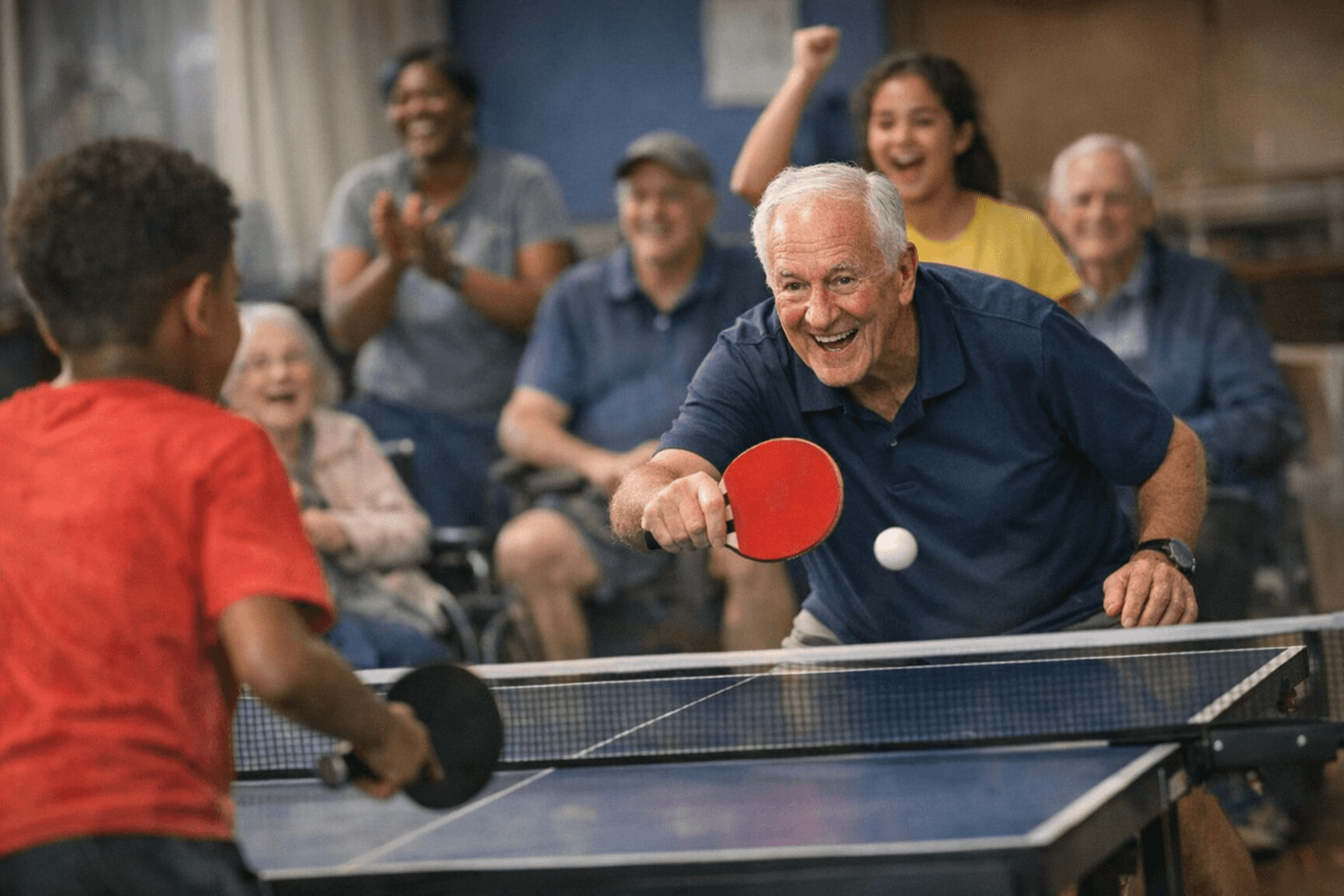
That combination of mental and physical engagement is exactly what drew Jean Neice, Activity Director at Holland House Senior Apartments, to the program. "Our residents have much to do, and now, thanks to PingPong.GIVES, we are able to not only offer another activity, but we're able to also provide areas to engage them physically, mentally and socially," she explains. Neice's testimonial reflects the foundation's core argument: that a ping pong table in a common room is not just recreation but a structured opportunity for cognitive engagement and social connection among seniors who might otherwise face isolation.
For nonprofits considering a partnership, the foundation frames the Celebrity SLAMFest model as a turnkey community fundraiser, with the promise of integrating ping pong into local culture well beyond a single event. Specific partnership criteria, event costs, and revenue-sharing details are not publicly outlined in the foundation's available materials, and metrics quantifying funds raised or participants served across past events have not been published. Those details would be the natural next questions for any organization weighing a formal partnership.
What is clear is that PingPong.GIVES is wagering on something the table tennis community has long understood: the sport's low barrier to entry, its appeal across generations, and its quietly demanding mental requirements make it unusually well-suited to exactly the kind of cross-demographic community building that public health advocates keep saying they need more of.
Know something we missed? Have a correction or additional information?
Submit a Tip