Captain Love urges reggae to defend unheard voices amid violence
Captain Love said reggae must speak for people whose voices are often unheard as violence and social strain keep pressing on Jamaica. He cast conscious music as a duty, not a slogan.
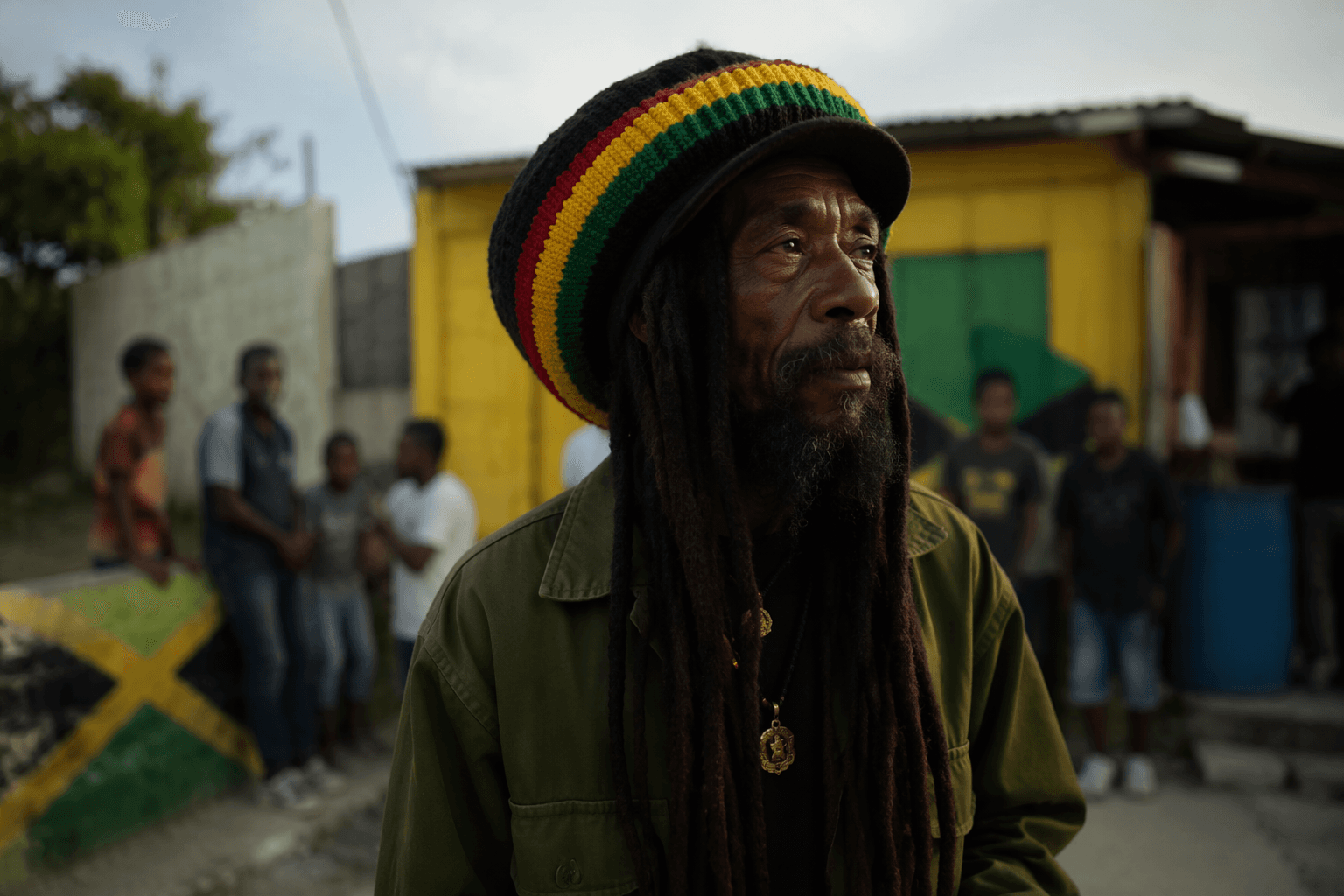
Canada-based Jamaican reggae artiste Captain Love used his latest message to push reggae back toward the role that built its reputation in the first place: speaking for people whose voices are often unheard. His message was not framed as a single-song promotion or a release-cycle talking point. It was a call for the genre to defend the marginalized and carry the kind of consciousness that has long given reggae its moral weight.
The comments, published on June 24, landed against a backdrop of violence and social strain in Jamaica and beyond. That timing mattered because the question he raised was bigger than one artist’s view of his own work. Captain Love was asking where reggae is still speaking directly to hard realities, and where it has drifted toward safer, lighter themes that leave the most vulnerable people out of the conversation.
The argument fits squarely inside reggae’s history, but it also speaks to the present moment. In a musical climate where commercial dancehall often commands more attention, the push for conscious music can sound both familiar and urgent. Captain Love’s message suggested that reggae should be more than entertainment or mood setting. He cast it as a tool for reflection, advocacy and moral clarity, the kind of music that helps listeners make sense of pressure, violence and community breakdown.
That is what gives the statement its reach inside the reggae community. Fans who still look to roots reggae for substance have not disappeared, and Captain Love’s comments tapped into that expectation without softening it. He was not arguing for nostalgia. He was pressing reggae to remember why so many people still turn to it when public life feels unstable and when the people under the most strain need someone to sing plainly on their behalf.
The force of the message was in its simplicity. Captain Love said reggae should defend unheard voices, and in doing so he turned the genre back toward a basic test of purpose. In a scene where style and novelty can crowd out substance, he reminded listeners that reggae’s value has always been tied to whether it still speaks for the voiceless.
This article was produced by Prism’s automated news system from verified source data, official records, and press releases, then run through automated quality and moderation checks before publishing. The system is built and supervised by the people who set the standards it runs under. Read our full AI policy.
Did this article answer your question?