Debbie DeFire revives Rude Bwoy and adds reflective Life single
Debbie DeFire split her new push between the streetwise Rude Bwoy and the inward-looking Life, using both songs to frame her UK-Jamaican reggae identity.
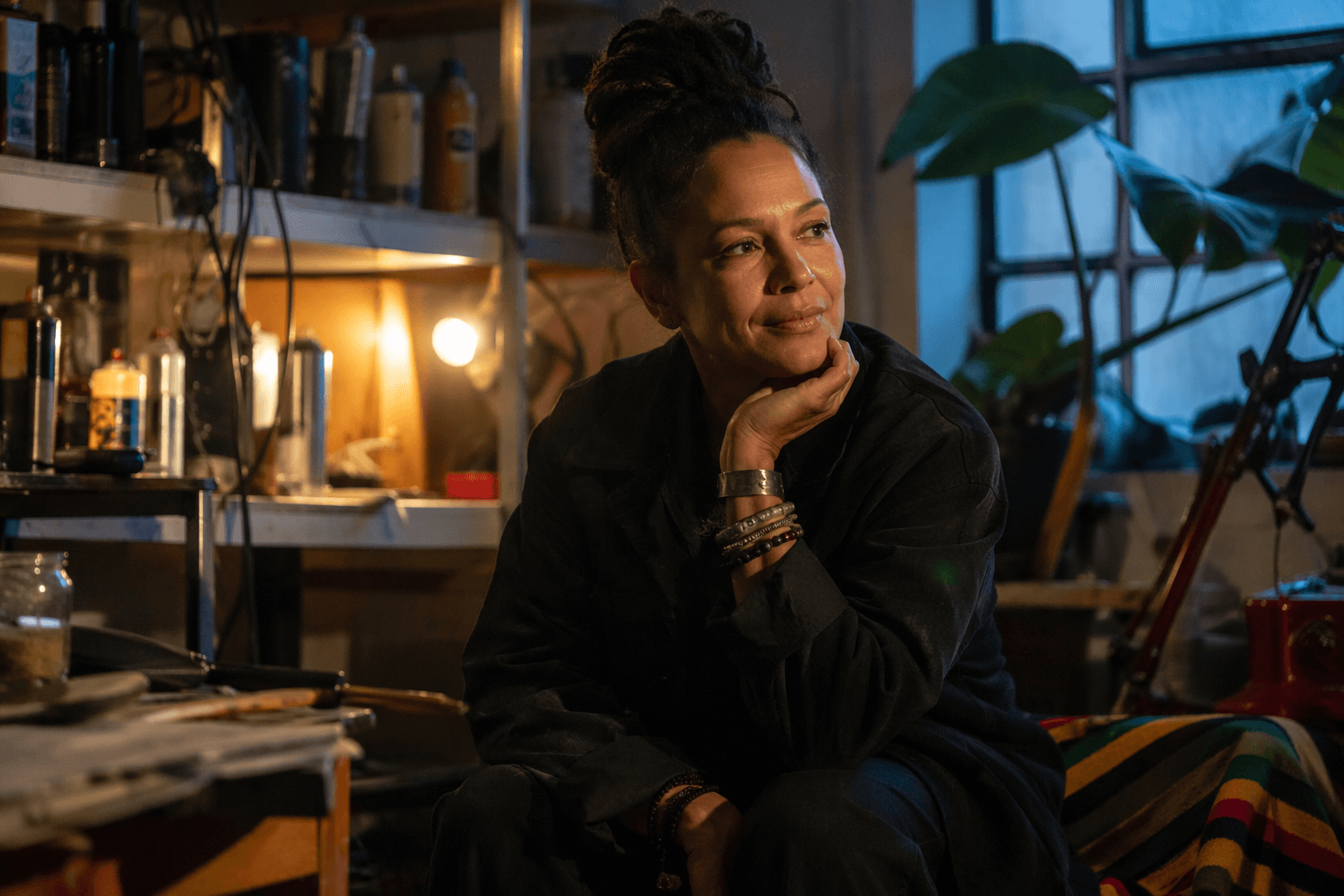
Debbie DeFire is making a two-song statement with Rude Bwoy and Life, using one track to look outward at character and culture and the other to turn inward toward self-assessment. The United Kingdom-based singer is leaning on contrast, but both singles stay planted in reggae, and together they sketch out the shape of an artist defining herself in the present tense.
Rude Bwoy carries the heavier history. The song traces back to the mid-1970s and was originally written by Herman Chin Loy, the Jamaican producer and Aquarius Records founder whose name sits deep in reggae and dub memory. DeFire said she rewrote part of the tune because she could not recall all of the original material, then added her own chorus and hooks. The version first carried the working title Blood Boils before it settled into the release now known as Rude Bwoy. That lineage gives the record a direct line to the rude-boy era, but DeFire’s new cut pushes the idea into a contemporary frame, and the track’s response has been steadily building through social media and word of mouth. Release metadata places Rude Bwoy on April 29, 2026.
Life moves in the other direction. DeFire has positioned the song as motivational and deep, a meditation on life itself rather than material possessions. In her release materials, the track is framed around life’s highs and lows, joy and pain, victories and challenges, which makes it the reflective counterweight to the sharper edge of Rude Bwoy. Put side by side, the songs show range without pulling her away from reggae’s core concerns: story, struggle, memory and survival.

That balance also fits DeFire’s own journey. Born in the United Kingdom and raised in Jamaica from an early age, she has long drawn from the singers and bands that shaped her ear, including Bob Marley, Dennis Brown, Toots Hibbert, Peter Tosh and Third World. Her sound sits in easy-listening reggae with broad appeal, and her Chicago audience has remained especially loyal, backing the artist often called Chicago’s Queen of Reggae and The Reggae Mama. Earlier profile material places her childhood in Kingston and later shows her moving to Chicago in 1981, which helps explain why her music carries both local depth and diaspora reach.
DeFire plans to spend the rest of 2026 working on a new album, with Stephen Marley at the top of her wish list for a future collaboration. For now, Rude Bwoy and Life do the talking for her, one song reaching back to reggae’s street memory, the other turning that memory inward, and both marking Debbie DeFire as an artist still widening her lane.
This article was produced by Prism’s automated news system from verified source data, official records, and press releases, then run through automated quality and moderation checks before publishing. The system is built and supervised by the people who set the standards it runs under. Read our full AI policy.
Know something we missed? Have a correction or additional information?
Submit a Tip