DJ Jahmar drives Arizona’s reggae rise with radio and productions
DJ Jahmar turned radio, productions, and live events into Arizona’s reggae backbone, linking Hopi roots, Tempe Beach Park, and a growing statewide scene.
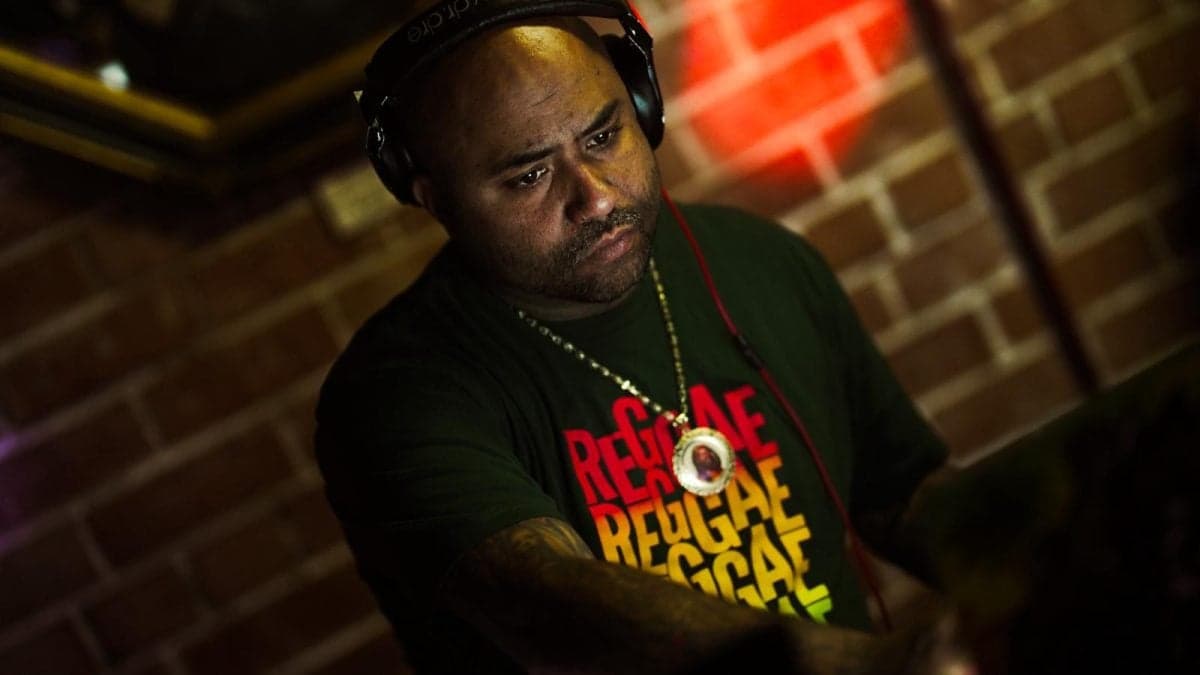
Far from Jamaica’s traditional strongholds, Arizona now moves with a reggae and dancehall pulse that feels earned, not imported. DJ Jahmar has been one of the key people giving that scene shape, using radio, parties, productions, and artist links to turn scattered fans into a real community with a map, a memory, and a future.
The scene had roots before the spotlight
The story in Arizona does not begin with a festival flyer or a viral video. Phoenix New Times traces the “Reggae Inna Hopiland” movement back to 1984 on the Hopi Reservation, when fans got tired of driving hours to Phoenix and other Arizona cities just to catch reggae shows. That demand is the missing piece in a lot of outsider coverage: the audience was already there, building its own lanes long before big-name promoters started paying attention.
Throughout the 1980s, reggae acts from around the world were playing Arizona reservations, which shows how deep the appetite ran across the state. That older network matters because it explains why Arizona could eventually support larger gatherings, more consistent nightlife, and a promoter class that understood the culture instead of just booking it for a weekend. DJ Jahmar’s rise lands in that longer line of scene-builders, not above it.
Radio gave the community a common frequency
Jahmar’s reputation as Arizona’s Reggae Ambassador comes from more than his visibility. DancehallMag says his earliest impact came through The Reggae Connection Radio Show, where he educated listeners, introduced legendary names, and made room for emerging talent while grounding the audience in Jamaican musical tradition. Long before reggae concerts became routine in the state, the radio show gave Arizona fans a shared language and a way to follow the culture beyond a single dance or lineup.
That matters in a region where the scene is spread out and often requires people to travel between cities, reservations, and neighborhood spots. Radio became the connector, and Jahmar used it to build trust. By the time live reggae became more common in Arizona, he had already done the slow work of making the audience feel like a community rather than a loose collection of listeners.
From broadcaster to scene architect
Jahmar did not stop at the microphone. DancehallMag credits him with building movement through live events, music production, artist development, philanthropy, and a steady commitment to authentic Jamaican culture through his Twelve Tribes Entertainment brand. That combination is what makes him more than a promoter. He has operated as a cultural broker, one who can bring artists, audiences, and local infrastructure into the same orbit.
His production work also shows that he knows how to move records, not just rooms. His latest project, Badmon Money, came through Shinealous Records and linked Cutty Ranks, Edley Shine, Wasp, and Shan Hill in a cross-generational combination that fits the way reggae and dancehall scenes actually work when they are healthy. DancehallMag says the video passed one million views, a strong sign that the sound connected beyond the immediate Arizona circle.

Jahmar’s résumé reaches well beyond that release. He has produced music for Ray J, Tanto Metro & Devonte, and Kiprich, and has worked alongside Barrington Levy, Julian Marley, Yellowman, Collie Buddz, and Tribal Seeds. That range helps explain why artists and fans treat him as a go-to connector when they want something real, not a one-off party built for a single night of buzz.
Where to find the Arizona reggae map
If you want to understand where the scene lives, start with the places that have already proven they can hold it. Tempe Beach Park is now one of the most visible reggae stages in the state, and the City of Tempe describes it as a 25-acre park that hosts about 40 events of all shapes and sizes each year. That scale matters because it tells you Arizona finally has the civic infrastructure to host reggae gatherings that feel like statements, not experiments.
Reggae Rise Up Arizona made that point clearly when it debuted at Tempe Beach Park in 2025. Coverage of that first Arizona edition said the festival brought together more than three dozen artists across reggae, alternative, and hip-hop, and the event returned April 17-19, 2026, at the same venue. For fans, that means the state now has a repeatable festival footprint, not just isolated shows that disappear after one season.
The local trail is broader than the big festival calendar, though. Phoenix New Times identified Likle Montego Jamaican Cafe in Tempe as an early Arizona reggae-related venue reference, and that kind of place helps explain how scenes stay alive between large events. Small rooms, neighborhood hangouts, and culturally specific businesses give people somewhere to gather, trade music, and keep the community visible when the touring circuit moves on.

The people who made Arizona feel like home for reggae
Arizona’s reggae story also runs through artists who planted roots early and stayed visible. Phoenix New Times has described Tony Culture as a fixture of the state’s reggae community for decades and noted that he moved to Arizona in the early 1990s. His presence reinforces the bigger picture around Jahmar: this is not one lone figure creating a scene from scratch, but a network of artists, DJs, and venue anchors who helped local reggae feel lived-in.
That broader ecosystem is what makes Jahmar’s influence so important. He did not just bring music into Arizona; he helped professionalize the culture around it, giving the state a broadcaster, producer, and event builder who could connect international names with local demand. In a place where the reggae audience had already been proving itself for decades, his work helped turn scattered energy into a durable hub.
Arizona’s reggae rise now makes sense as a chain of connections, from Hopi fans chasing shows in 1984 to Tempe Beach Park hosting thousands at a major festival. Jahmar sits in the middle of that arc, using radio, records, and real-world relationships to make sure the scene did more than survive. It grew into a place where the sound has a home.
This article was produced by Prism’s automated news system from verified source data, official records, and press releases, then run through automated quality and moderation checks before publishing. The system is built and supervised by the people who set the standards it runs under. Read our full AI policy.
Did this article answer your question?