Eastern Cape Reggae Artist Furah Dread Signs New York Label Deal After Decade
Furah Dread signed a two-year deal with New York's Jamaica International Records, nearly a decade after first being discovered — and "Heart Is Smart" topped charts in the US, Portugal, England, and Honduras.
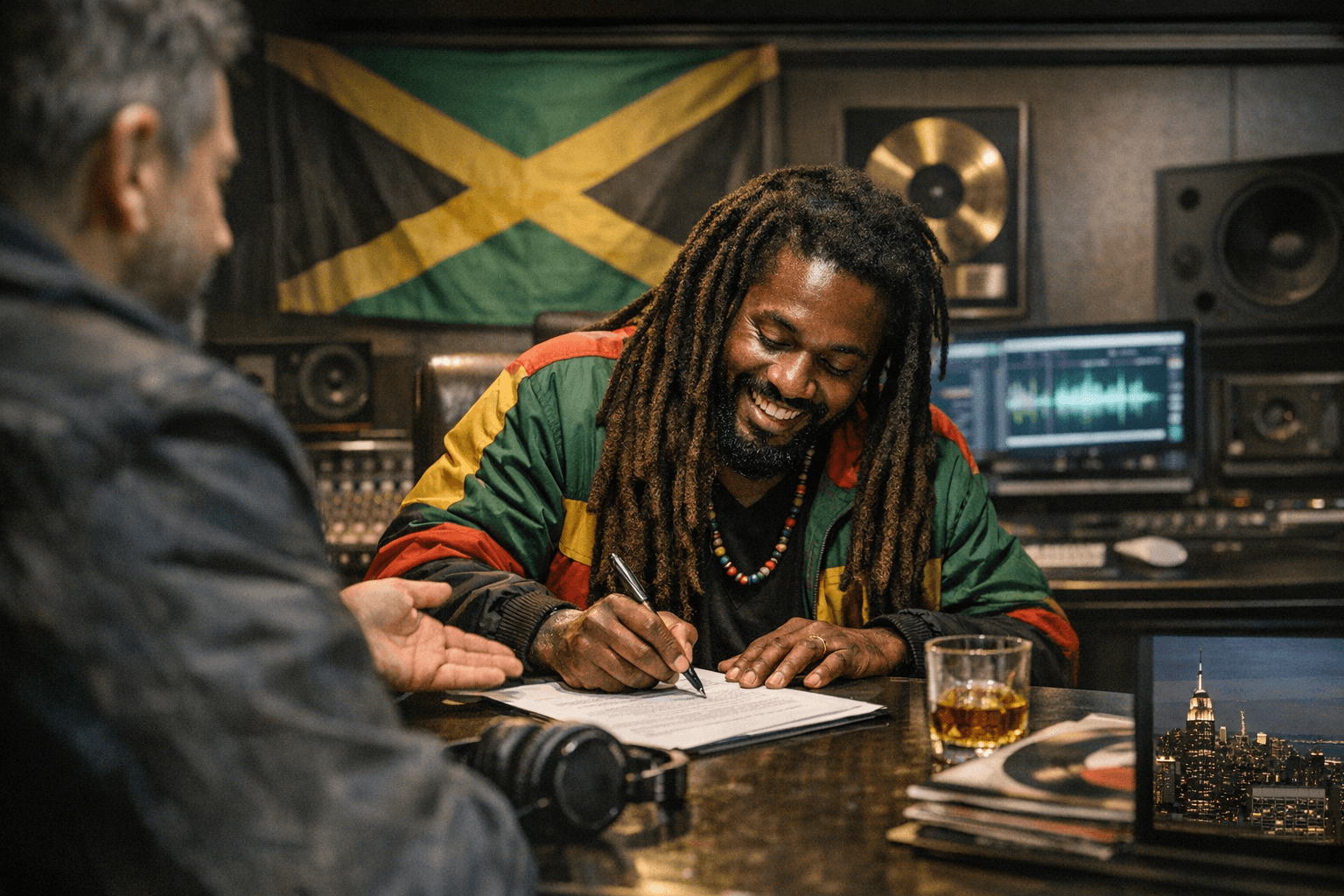
Fundile Guqa, known to the reggae world as Furah Dread, secured a two-year contract with Jamaica International Records, marking a breakthrough moment in a journey built largely on independent releases and persistence. The 34-year-old from Mthatha in the Eastern Cape did it without a major label behind him, without industry machinery, and very nearly without ever trying again at all.
The backstory matters. Guqa was initially offered a five-year deal but declined after receiving a bursary from the Eastern Cape Provincial Arts and Culture Council to study film at Afda in Durban in 2019. It was a hard call, and he was clear-eyed about why he made it. "I felt being a student would take up most of my time and complicate things if I recorded music and studied at the same time," he said.
Despite turning down the deal, he continued releasing music independently. His track "I Was a Prisoner" tells the story of a man wrongfully accused of sexual assault. "It is about the abuse of men for a change. There are many languishing in prison accused of things they did not do," Guqa said. He followed up with "People Must Stop" in 2020, which speaks against violence, and later released "Heart Is Smart," which became his biggest international hit. The song topped charts on radio stations in countries including the US, Portugal, England, and Honduras.
The new deal with Jamaica International Records is not a standard label arrangement. Under the agreement, Guqa will record six songs a year over two years, while retaining creative control. "The deal allows me to record in my own way, in my preferred studio in South Africa, with the company funding everything," he said. And when it ends, the catalogue stays with him. "After the contract expires, all the music rights revert back to me, meaning I will own everything I have created," he said.
For an artist who came up in the kwaito scene before stumbling into reggae after hearing music playing in a shop in Mbizana, where he was introduced to Bob Marley and Peter Tosh, the terms of this deal reflect hard-won wisdom about the industry. Guqa said he hoped to follow in the footsteps of late reggae icon Lucky Dube. That name carries enormous weight in South African reggae, and invoking it is not casual.
What Guqa wants now goes beyond his own career. Despite international recognition, he said his music was often misclassified: "Often stations say my music is unique, but they classify it as pop or hip hop." "My music is a mix of many things, but I would like to see reggae get more recognition in this country and globally," he added. For a genre that produced Lucky Dube and still struggles for shelf space on South African radio, it is a bigger ask than it sounds, and Guqa's New York deal is now part of that argument.
This article was produced by Prism’s automated news system from verified source data, official records, and press releases, then run through automated quality and moderation checks before publishing. The system is built and supervised by the people who set the standards it runs under. Read our full AI policy.
Did this article answer your question?