Essential Online Communities and Tools for Reggae Collectors and DJs
I’ve assembled a practical guide to the online spaces reggae collectors, DJs, producers, and sound-system fans use to find rare pressings, trade, and coordinate shows. This resource explains which platforms serve which needs, how to validate claims and trade safely, and a simple weekly routine to keep on top of releases and local events.
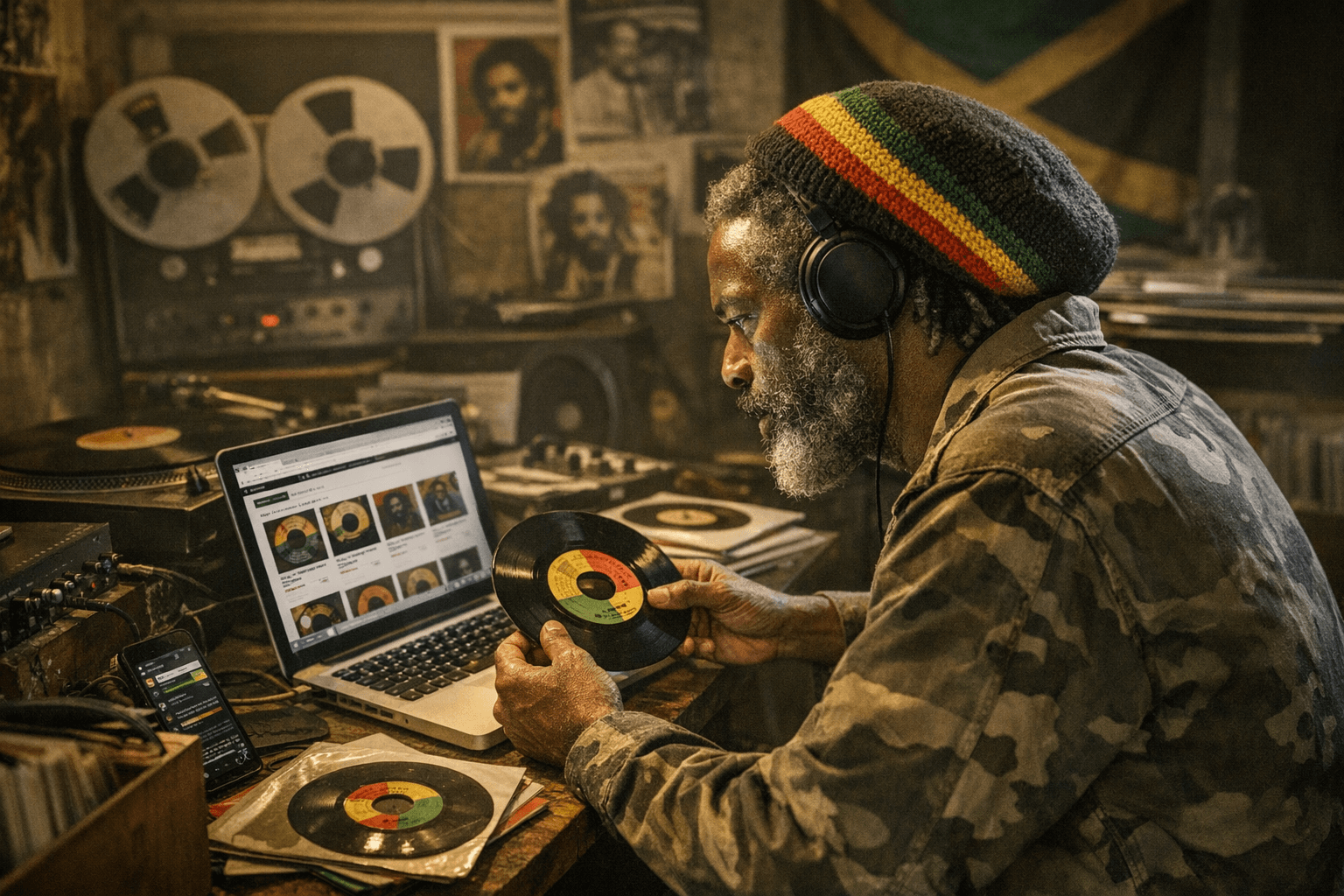
I put together this guide to help reggae fans navigate the patchwork of forums, marketplaces, social channels, and streaming platforms that matter most to collectors, DJs, producers, and sound-system crews. Online communities are where hard-to-find releases surface, production tips are shared, and swap events are coordinated, knowing which space to use for each task saves time and reduces risk.
Start with forums and message boards when identifying pressings and cataloguing variants. Roots- and reggae-focused collector forums are best for matrix and runout digs, comparing UK versus Jamaican pressings, and checking seller reputations. Riddim- and producer-specific threads are where engineers share tempo charts, stems, and spacing tips that matter in the studio and on sound-systems.
Use real-time chat platforms like Discord and Slack for immediate trading, show notices, sample hunts, and quick production feedback. Active reggae Discord servers often host listening sessions and weekly riddim-critique channels that accelerate learning and spotting new material. Complement those with Reddit communities, r/Reggae, r/VinylCollectors, and r/WeAreTheMusicMakers, for public Q&A, wider sourcing help, and gear advice.
Track releases and price history on Discogs: set wantlists, watch releases, and use market data to judge value. For verified reissues, go directly to specialist label stores and sellers such as Scotch Bonnet, VP Records, Tuff Gong, and Burning Sounds and set release-watching alerts on both Discogs and label shops. Bandcamp and Mixcloud are prime for independent releases and extended dub mixes; Spotify and Apple Music playlists help you discover contemporary artists; Rootfire Radio and other release-radar feeds and reggae-affiliated blogs publish weekly release lists and festival lineups, subscribe to those newsletters for a steady stream of announcements.
Closed Facebook groups remain a hub for buying and selling rarities and arranging meetups, while Telegram channels and X posts are often used for quick sound-system and show alerts. For radio and long-form mixes, follow Roots Rock Reggae-style shows and subscribe to relevant podcasts and streams to uncover deep cuts and interviews.
Make these resources work for you with a simple routine and safety habits. Check label newsletters and release-radar feeds on Mondays; scan Discogs wantlists daily; monitor Discord and Telegram show-announce channels over the weekend. Validate rare-press claims with runout photos and matrix numbers and cross-check Discogs entries; when unsure, consult experienced sellers or forum moderators. For trading, use reputation checks, prefer tracked shipping, and keep records of communications. For in-person swaps, meet in public places and document the exchange with photos.
Build your network by introducing yourself in servers and groups with a short profile, collecting focus, key gear, and general location. Active, polite participation gets better leads and trading opportunities. Use this checklist to match platforms to needs and adapt it to your local scene and collecting goals.
Know something we missed? Have a correction or additional information?
Submit a Tip