Etana’s The Ganja Collection leans into reggae’s herb culture
Etana timed The Ganja Collection for 4/20 and built a tight seven-track reggae set around herb culture, roots roots, and a name with real crossover pull.
A 4/20 drop built for reggae conversation
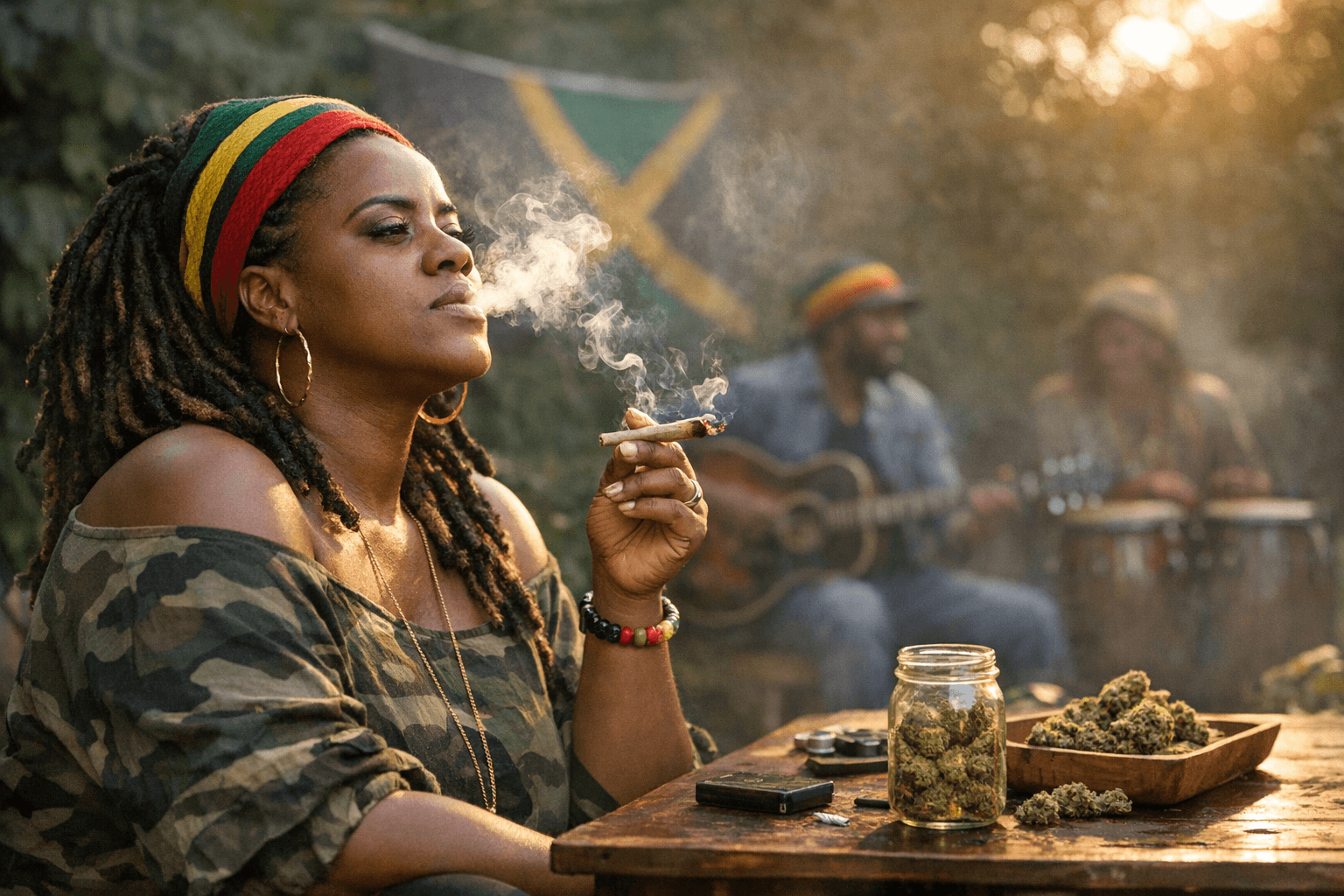
Etana leaned all the way into 4/20 with *The Ganja Collection*, a seven-track release that turns a calendar date into a clear cultural statement. Issued through Freemind Music Records, the project does not treat herb culture as a side note or a marketing garnish, it makes that idea the center of the record and keeps the focus locked from the first song to the last.
That matters in reggae, where ganja references can easily blur into shorthand. Here, the concept is more deliberate: the album arrives as a themed release, but it is framed as something polished and intentional, not a novelty drop. That gives the project immediate relevance for listeners tracking current reggae activity and for fans who want the genre’s herb conversation delivered with discipline rather than laziness.
Seven tracks, one lane
Reggaeville lists *The Ganja Collection* as Etana’s 10th studio album, and the shorter format stands out right away. Instead of the sprawling 14- to 16-track shape that defined some of her earlier albums, including *Pamoja* and *Reggae Forever*, this one stays compact and concentrated. That makes the record feel more like a focused statement than a long-form journey, which suits a concept album built around one strong idea.
The track sequence reinforces that restraint. Reggaeville’s listing runs: “Sensemilla,” “Good Draw” featuring Yosa Malago, “Gimmi Di Weed,” “Sweet Marijuana,” “Mt. Zion” featuring Cold Fever, “High Grade Dub,” and “Good Draw.” The titles do a lot of the storytelling on their own, but the structure is what gives the set its strength: every cut seems arranged to keep the listener inside the same atmosphere instead of drifting away from it.
Why the opening track matters
“Sensemilla” sets the tone immediately, easing the listener into a mellow, high-minded mood. That opening is important because it establishes the album’s tone before the concept can feel repetitive or one-note. Etana’s smooth, controlled vocals carry the subject matter without making it feel forced, and that vocal restraint is a big reason the record comes across as soothing rather than gimmicky.
The mood is also what separates this release from the most obvious herb-themed material in the genre. The album leans on ganja imagery, but it uses that imagery to shape the listening experience: relaxed, reflective, and rooted in consciousness. That balance keeps the project in reggae’s deeper tradition, where cannabis references often sit beside spirituality, self-awareness, and cultural memory.
The tracklist carries real connective tissue
One of the strongest details on the album is “Mt. Zion,” a collaboration with Cold Fever. That song reaches back to a 2015 single release, giving the new project a thread of continuity that rewards long-time listeners. It is the kind of move that gives a themed album more depth, because it links a fresh 4/20 release to earlier reggae history rather than treating the concept as disposable.
The feature choices also help the record feel embedded in the scene. Yosa Malago appears on “Good Draw,” while Cold Fever brings another layer of familiarity to “Mt. Zion.” Those credits matter because they keep the album from sounding isolated or overly polished for its own sake; instead, it reads like a release that understands the value of reggae collaboration and memory.
The herb theme is bigger than the herb itself
What gives *The Ganja Collection* more weight is the way it connects cannabis to the wider spiritual and cultural framework that has long surrounded roots reggae. Coverage around the release describes the album as a soulful tribute to the sacred herb, roots reggae, and Jamaican culture, and that framing fits Etana’s own public stance on the subject. In earlier reporting, she said ganja has healing properties beyond smoking and linked Bob Marley and Peter Tosh to its use as a form of rebellion against restrictions on Black people.
That perspective helps explain why the album lands as more than lifestyle branding. The music sits inside a long lineage where herb culture has been tied to consciousness, resistance, and identity. Etana is tapping into that lineage without overexplaining it, letting the songs, the titles, and the tone do the work.
Why Etana’s name gives the release a bigger share hook
The release has a built-in audience because Etana is not approaching this topic as a newcomer. Her 2014 album *I Rise* reached No. 1 on the U.S. Billboard Reggae Albums chart, and one profile identified her as one of only three Jamaican female artists to hit that position. That history gives *The Ganja Collection* instant credibility beyond the subject matter itself, because her name already carries chart-level recognition in reggae.
That recognition is part of what makes the story travel. A ganja-themed album can speak to the core reggae audience on its own, but Etana gives it a broader social hook: a respected Jamaican voice, a proven chart presence, and a release date that lands exactly where the culture expects it to land. Add in her honor as Reggae Month Ambassador for 2026, and the album arrives with a layer of authority that makes it easy to talk about outside the usual niche circles.
A timely release with lasting context
IRIE FM noted that April 20 is widely recognized as a day herb enthusiasts around the world come together to celebrate cannabis culture, and *The Ganja Collection* uses that timing with precision. The Jamaica Star described the project as a soulful seven-track tribute, while Reggae Vibe Media noted the release in the context of Etana’s Reggae Month Ambassador role for 2026. Taken together, those details show a release that is both topical and deeply rooted in the artist’s larger profile.
The result is a reggae album that knows exactly what it is. *The Ganja Collection* does not chase breadth, it chooses focus. That focus, paired with Etana’s history, her voice, and her reputation, makes the project feel like a sharp statement in the ongoing conversation between reggae, herb culture, and Jamaican identity.
This article was produced by Prism’s automated news system from verified source data, official records, and press releases, then run through automated quality and moderation checks before publishing. The system is built and supervised by the people who set the standards it runs under. Read our full AI policy.
Did this article answer your question?