Fae Ellington Condemns Vulgar Dancehall Use of Hill Gully Rider Riddim
Fae Ellington blasted the revived Hill & Gully riddim for turning a mento classic into vulgar dancehall, putting stewardship of Jamaica’s folk archive in focus.

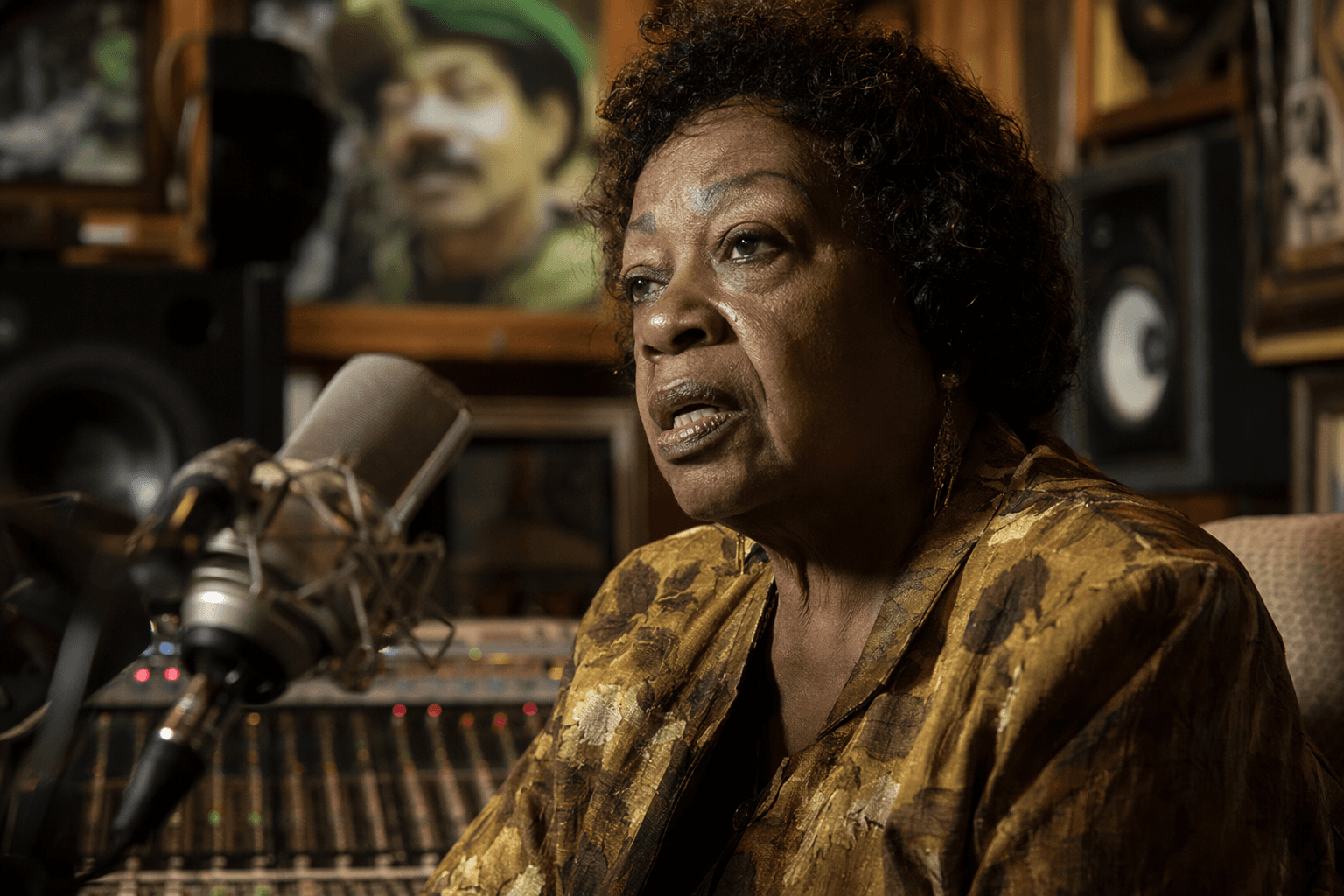
Fae Ellington has thrown the sharpest cultural challenge yet at the revived Hill & Gully riddim, saying the project crosses a line when a 19th-century Jamaican folk song is turned into a vehicle for crude language. The veteran broadcaster and cultural commentator framed the dispute as more than a taste argument: for her, it is about respect, heritage and responsibility, especially when a tune rooted in mento and folk memory is being pushed into sexually explicit dancehall territory.
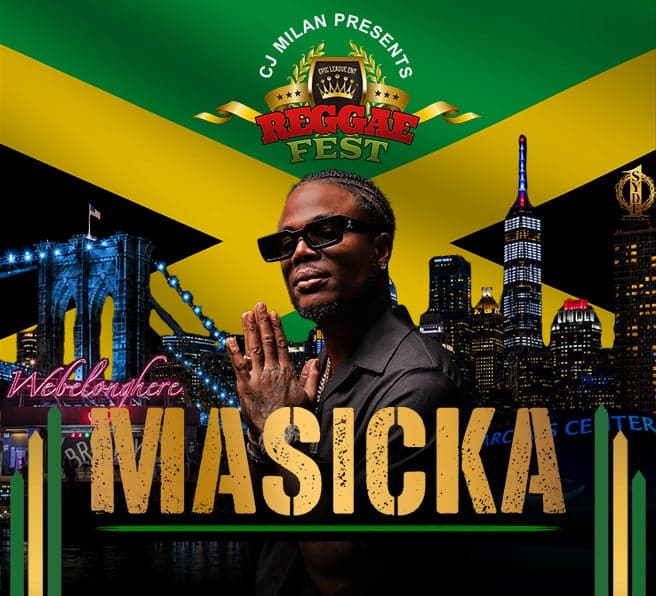
Stephen “Di Genius” McGregor revived the riddim in late April, and the conversation moved quickly because of the names attached to it. The first release was Masicka’s Slip and Slide, which came out on Friday, April 25, 2026. The broader project has since been listed with tracks from Valiant, Elephant Man, Govana, Skippa, Nigy Boy, Red Rat, Mr. G, Vershon, Papa Jack and Di Genius, making this a full dancehall compilation rather than a one-off experiment. Ellington did not dismiss McGregor’s concept; instead, she said the deeper problem was the way some of the new songs leaned into vulgarity and slackness on top of a melody with real cultural weight.
McGregor said he wanted to “tap into Jamaican culture on a deeper level,” adding that he thought “no one really went into mento” and that he wanted to merge that older world with newer artistes to “reintroduce that part of the culture.” That intent has won him credit from Ellington and others who see value in reviving forgotten material. But the backlash has focused on what happens after the revival: if the foundation is a folk song many Jamaicans know as a work song, longtime listeners say the question becomes whether the new verses honor the source or flatten it into shock value.
Hill and Gully Rider sits deep in the archive. Music-reference sources describe it as a Jamaican folk song, and one account says it may have started as a game played by men and boys in western Maroon towns. Mento itself is widely traced to the 19th century, blending African and European traditions. Historical recordings of Hill and Gully Ride, including a Lord Composer and Silver Seas Hotel Orchestra version, helped keep the tune in circulation, and two versions later became theme music for the Jamaican TV series Hill An’ Gully Ride.
That history is why this argument has landed so hard. Some sources say the riddim draws on The Jolly Boys’ cover of Hill & Gully Ride as the base for the dancehall versions, which makes the lyrical choices feel even more charged to cultural guardians. Ellington’s public criticism, delivered on her YouTube channel, has turned a hot riddim cycle into a wider debate over who gets to decide when renewal becomes disrespect, and whether Jamaica’s folk heritage can be reworked for the dancehall without losing its soul.
This article was produced by Prism’s automated news system from verified source data, official records, and press releases, then run through automated quality and moderation checks before publishing. The system is built and supervised by the people who set the standards it runs under. Read our full AI policy.
Did this article answer your question?