Fundraiser launched to save Roger Steffens' reggae archive and film
Roger Steffens’ basement archive holds reggae’s living memory, and aging tapes and films are now at risk of chemical breakdown.
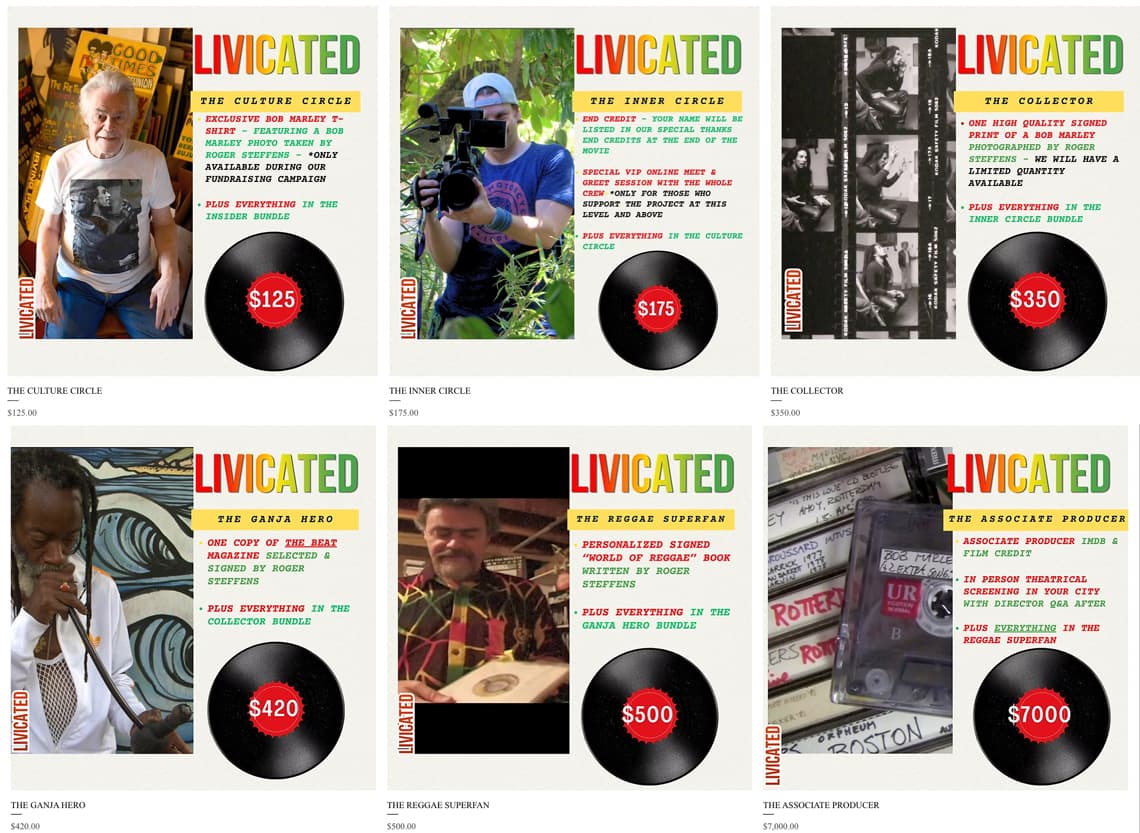
Roger Steffens’ Los Angeles basement has become one of reggae’s most important vaults, and the new fundraiser for The Story of Roger Steffens’ Reggae Archives is framed as a race against time. The archive, described as the world’s largest reggae collection, holds recordings, interviews, photographs, posters, rare records, clippings, and film tied to the music’s global history, but some of the tapes, cassettes, and films are already deteriorating.
The documentary project LIVICATED has followed Steffens, now 83, for nearly three decades as he tries to preserve that material before more of it disappears. The stakes are not abstract. Earlier reporting has described the collection as filling six rooms of his Los Angeles home, with about 12,000 hours of tapes, 10,000 posters and flyers, 30,000 reggae fliers, 2,000 posters, tens of thousands of photographs, and 140 cubic feet of clippings. The archive has long functioned as a working memory bank for the culture, not a display case.
That is why the collection has drawn musicians, filmmakers, writers, and other major cultural figures through its doors, and why even the Bob Marley estate and Peter Tosh estate have reportedly turned to Steffens’ files in search of lost tracks and outtakes. LIVICATED promises rare and never-before-seen footage of Marley and Tosh, along with interviews featuring Ben Harper, Mutabaruka, Steel Pulse’s David Hinds, Jimmy Cliff, Fela Kuti, and Miriam Makeba. The film’s fundraising push is meant to help bring that material to audiences through festivals, premieres, screenings, streaming distribution, and awareness campaigns.

Steffens’ own path into reggae began in June 1973 after he read a Rolling Stone feature on Bob Marley. He later traveled with Marley during the 1980 Survival tour, hosted Reggae Beat on KCRW from 1979 to 1987, and syndicated the program to more than 130 stations worldwide. He also helped found the Reggae Grammy Committee, which he chaired for 27 years. For decades, he has served as one of the music’s most persistent guardians, keeping hold of paper, tape, and memory that would otherwise scatter.
The fundraiser arrives after Steffens’ archive was reported sold in July 2024 in a multimillion-dollar deal to Josef Bogdanovich, the Downsound Entertainment head who said the material would be preserved and returned to Jamaica through a planned museum in Montego Bay. Robert Santelli, formerly associated with the Rock and Roll Hall of Fame and Grammy Museum, has been brought in as creative adviser. For reggae fans, the urgency is plain: this is not only about one man’s archive in a basement, but about whether a huge piece of reggae’s physical history survives long enough to make it back into the culture it helped document.
This article was produced by Prism’s automated news system from verified source data, official records, and press releases, then run through automated quality and moderation checks before publishing. The system is built and supervised by the people who set the standards it runs under. Read our full AI policy.
Did this article answer your question?