Harlesden unveils reggae walk honoring Dennis Brown, Janet Kay and Aswad
Harlesden put reggae history on the pavement, unveiling plaques for Dennis Brown, Janet Kay, General Levy and Aswad on International Reggae Day.

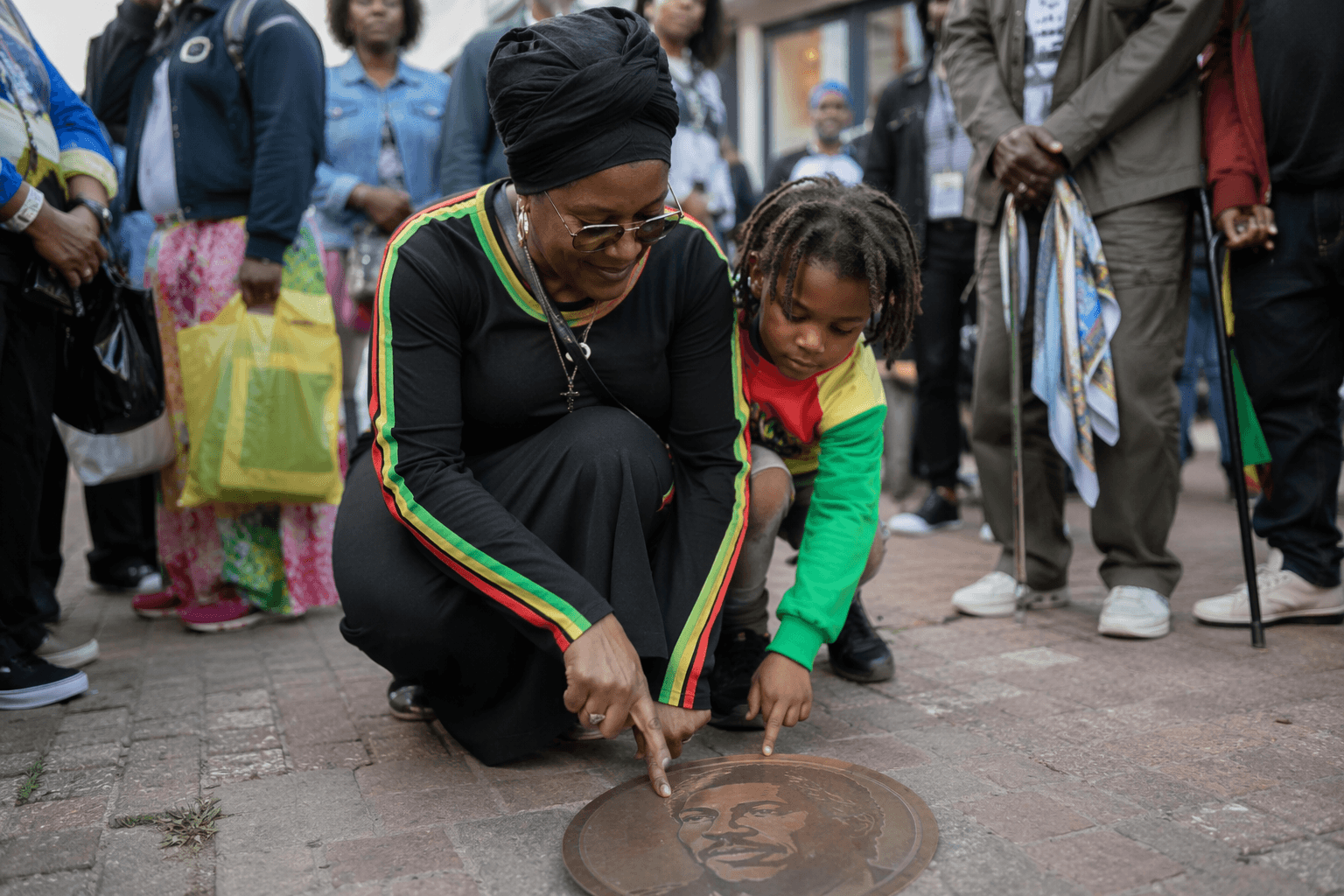
Harlesden unveiled the Harlesden Walk of Music on International Reggae Day, fixing permanent street plaques in north-west London for Dennis Brown, Janet Kay, General Levy and Aswad. The launch turned a long-running community project into a public marker of reggae history, with Brent Council and Harlesden Bassline presenting it as a visible claim on the area’s place in British music.
The scheme is built around four specially designed paving stones chosen with local input, while other stones were selected through research and consultation. Funded by the UK Shared Prosperity Fund, the project is designed to do more than decorate the street: Brent Council says it is meant to celebrate Harlesden’s unique place in the history of reggae and Afro-Caribbean music in the UK, create a visitor attraction through public art, and strengthen local identity in Harlesden town centre. The walk is also tied to a proposed Reggae Museum in the Picture Palace, linking the plaques to a wider heritage trail rather than a one-off unveiling.
Harlesden’s claim rests on more than nostalgia. The area was described as home to one of London’s largest Jamaican communities after World War Two, and organisers have linked its reggae story to record shops and labels such as Orbitone and Jet Star Records that helped make the district a centre for reggae, ska, dub and lovers rock. The public roll-out in March 2026 widened that story beyond singers alone, naming 12 British reggae stalwarts and related institutions across unveilings on March 17 and March 20.
Those March plaques included Aswad, Dennis Brown, General Levy, Janet Kay, The Cimarons, Delroy Washington, Hawkeye Records, Jet Star Records, Starlight Records, Trojan Records and Sonny Roberts. Dennis Brown’s plaque was unveiled posthumously, 27 years after his death in 1999, with Yvonne Brown, his widow, attending alongside two of their children. Sonny Roberts was represented by his daughter Cleon Roberts, underlining how the project is drawing family memory into the public record.
Roberts’ place in the trail reaches back to Kilburn, where he opened Planetone in 1961, Britain’s first Black-owned recording studio. That detail matters because the Harlesden plaques do not just honour performers already known to fans; they name the producers, labels and institutions that built the scene around them. With the launch now complete, Harlesden has put its reggae lineage where anyone walking the streets can see it.
This article was produced by Prism’s automated news system from verified source data, official records, and press releases, then run through automated quality and moderation checks before publishing. The system is built and supervised by the people who set the standards it runs under. Read our full AI policy.
Did this article answer your question?