Hope Vocals’ viral Maroon fusion brings heritage into reggae spotlight
Hope Vocals turned a Moore Town Maroon medley into a 700,000-view TikTok moment, then into a studio session with Stephen “Di Genius” McGregor.

A Maroon voice from Moore Town, wrapped in Revival songs, Kumina touches and modern Jamaican rhythm, cut through TikTok’s noise without sanding off the culture at its core. Hope Vocals’ run showed the tightrope Jamaican heritage acts now walk, where one clip can travel far only if it stays rooted in real place, real lineage and real sound.
That grounding matters in Moore Town, Portland, where UNESCO says the community is home to descendants of runaway slaves who formed independent Maroon settlements in eastern Jamaica. The Maroon heritage of Moore Town was inscribed on UNESCO’s Intangible Cultural Heritage list in 2008, and local heritage sources say the town was founded in 1739 after the Maroons signed a peace treaty with the English and received 500 acres of land. The village is still governed by a Colonel and a Council of 24 members, which keeps it a living community rather than a relic.
Hope Vocals tapped directly into that living tradition. Her TikTok post, captioned with references to being “a maroon” and “a bongo gyal,” linked the performance to “Hill and Gully Ride” and “Kumina Medley.” The video blended Revival songs, Maroon traditions, Kumina influences and contemporary Jamaican rhythms over the Hill and Gully rhythm, and the response was immediate. The clip drew more than 700,000 views and sparked thousands of user-made videos across TikTok, Instagram Reels and YouTube Shorts, pushing a Maroon-led performance into a much wider conversation about Jamaican heritage.
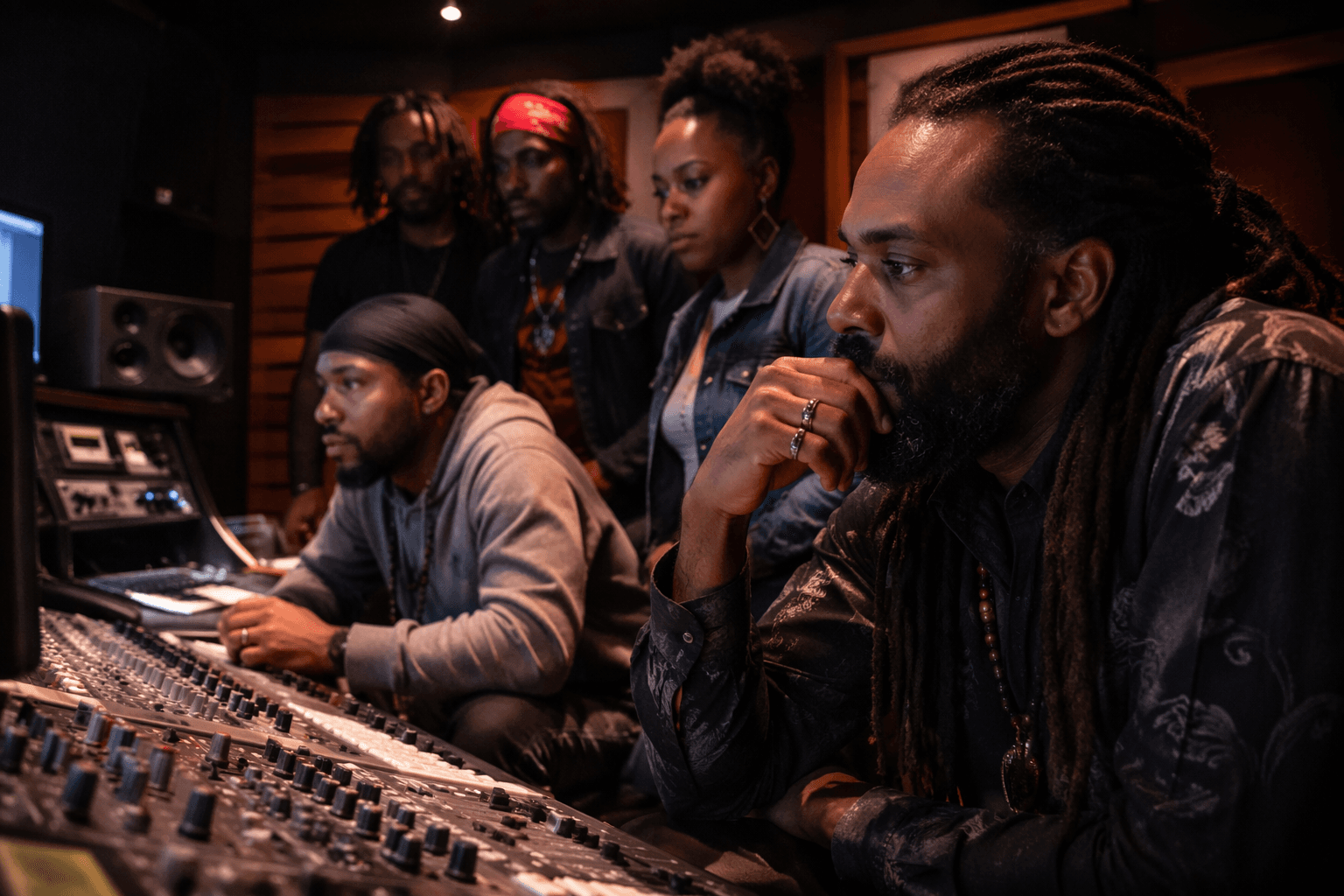
The digital surge did more than rack up numbers. Stephen “Di Genius” McGregor saw the clip, shared it on his own social pages and brought Hope Vocals into the Hill and Gully rhythm project at Geejam Studios in Portland. Within two weeks of the video catching fire, she was in the studio recording an official track, and the visuals for that song were filmed the following week. The crossover turned a personal post into a practical career move, while keeping the cultural frame intact.
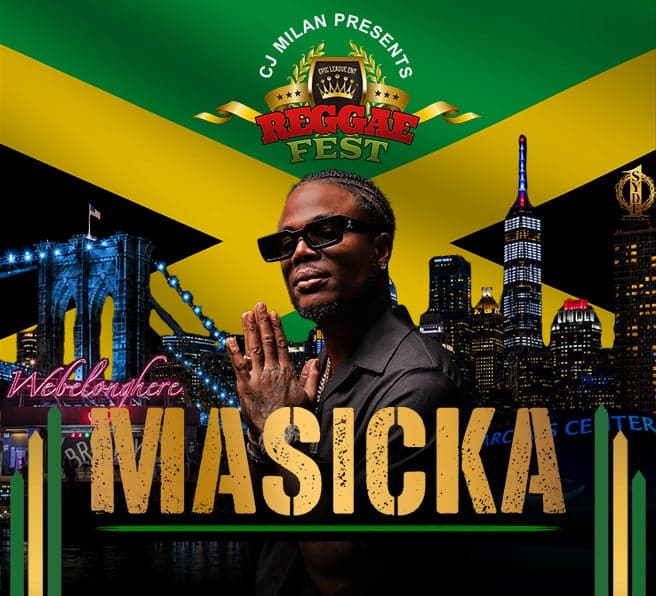
The moment also landed inside a bigger Hill and Gully debate. McGregor revived “Hill An’ Gully Rider” as a dancehall riddim in late April 2026, and the project pulled in Masicka, Elephant Man, Valiant, Govana, Ganggoolie and Skippa. A May 11 Jamaica Observer column said the controversy around the song had widened into a discussion about explicit lyrical content on a culturally rooted rhythm, while a May 21 column said the rhythm was increasingly being discussed as a way to put culture back at the centre. Hope Vocals’ performance shifted that conversation back to the source, showing that Maroon identity can travel through the algorithm without losing the meaning that made it powerful in the first place.
This article was produced by Prism’s automated news system from verified source data, official records, and press releases, then run through automated quality and moderation checks before publishing. The system is built and supervised by the people who set the standards it runs under. Read our full AI policy.
Did this article answer your question?