How to Start Making Dub and Reggae Mixes at Home
This practical how to guide walks you through classic dub and roots reggae production using affordable gear and free or low cost software. It matters because you can learn versioning, delay and reverb performance techniques, and bass forward mixing without pro studio budgets.
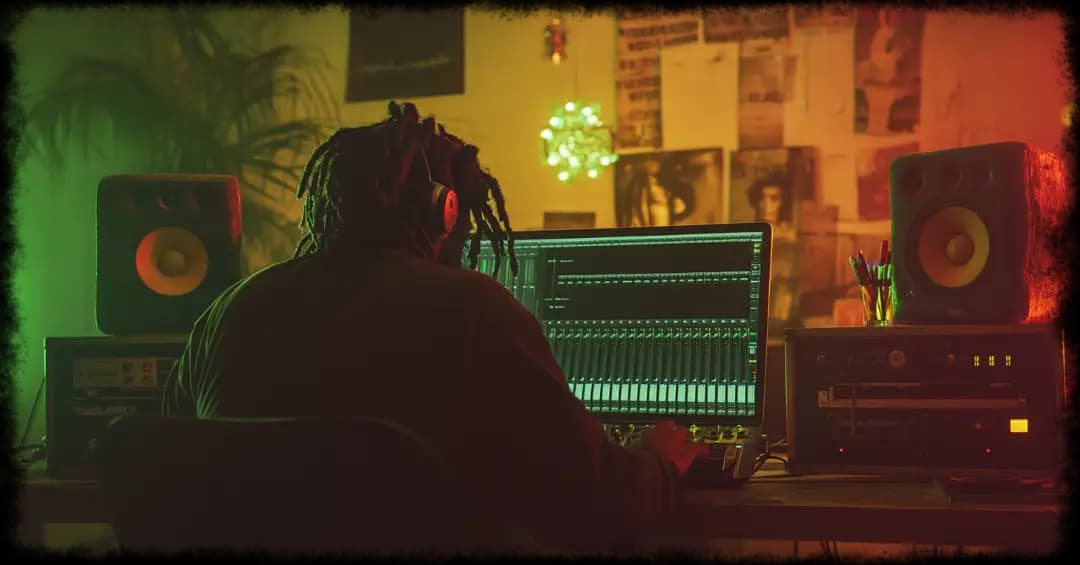
This guide is designed for hobbyists who want to start producing dub and reggae style mixes and simple home dubs. The focus is on the classic dub approach, versioning, heavy use of delay and reverb, bass forward mixes, and creative mute and solo automation while using accessible gear and free or affordable software. Learning these techniques lets you make authentic sounding mixes that translate to sound systems and online releases.
Begin with the essentials. Reggae production is riddim centered, so prioritize a locked, grooving drum and bass foundation. The bass is the melodic and emotional center, so make it warm, consistent, and prominent while avoiding clipping. Treat space and effects as instruments. Reverb, delay, spring and plate style textures and filtering are not only ambiance, they are playable elements. Drops, echoes and chopped returns define the dub vocabulary.
Use budget friendly gear to get started. Accurate headphones such as Audio Technica ATH M50x are fine for early work, while powered monitors are recommended when you can. Use a simple two input two output USB audio interface like a Focusrite Scarlett Solo for recording and monitoring. For DAWs, free options like Cakewalk by BandLab on Windows and GarageBand on macOS are perfectly capable. Reaper offers a low cost license and many dub producers also use Ableton Live or Logic Pro. Start with built in delays and reverbs, then add specialty plugins over time. Free plugins to try include TAL Dub III and demos or affordable offerings from Valhalla.
Follow a starter workflow to practice the style. Build the riddim by programming or recording a drum kit that sits on the backbeat with the kick on the one and the snare on two and four or a laid back skank depending on the style. Add a deep warm bassline that locks with the kick. Create a basic mix by balancing drums and bass first, then add skanks and a lead or horn line sparingly. Duplicate the mix into a dub bus or sub project so you can perform on effects without damaging a dry master. Use send and return effects, automating send levels and return filtering to play the FX like instruments. Mute entire instruments for dramatic dropouts, then bring them back with heavy echoes. Automate band pass and low pass filters on returns to create sweeps and use reverb tails with high pass or low pass cuts to avoid mud.

Mixing tips specific to reggae help clarity. Sidechain other low elements gently under the kick or bass. Emulate spring reverb character on drums or guitar for authenticity. Sync tape style delays to tempo using dotted eighth or quarter note timing and vary feedback for rhythmic patterns. Keep dynamics alive with small fader moves and FX automation, because dub is a performance based mixing style.
Practice the craft with short exercises. Automate a delay send on a one minute riddim to make the snare echo into rhythm. Mute the rhythm for four bars and use reverb tails to imply the groove, then return everything on the downbeat. Make three versions of the same riddim, dry instrumental, vocal and dub, and practice transitions between them. Study classic dub producers such as King Tubby, Lee Scratch Perry and Scientist to hear how echoes and mutes are arranged. Join online communities for feedback and, if possible, test mixes on a PA or powered speakers, because reggae mixes change with volume and room. Start small, focus on groove and bass, treat effects as playable instruments, and practice automating FX live to develop the sense of space and versioning that makes dub and reggae production distinct.
This article was produced by Prism’s automated news system from verified source data, official records, and press releases, then run through automated quality and moderation checks before publishing. The system is built and supervised by the people who set the standards it runs under. Read our full AI policy.
Did this article answer your question?