Jahfrican returns with Coming Back Home EP, a reggae rebirth
Jahfrican’s Coming Back Home EP resets his sound and identity, folding reggae, Afro-fusion, and personal storytelling into a tighter, more reflective return.
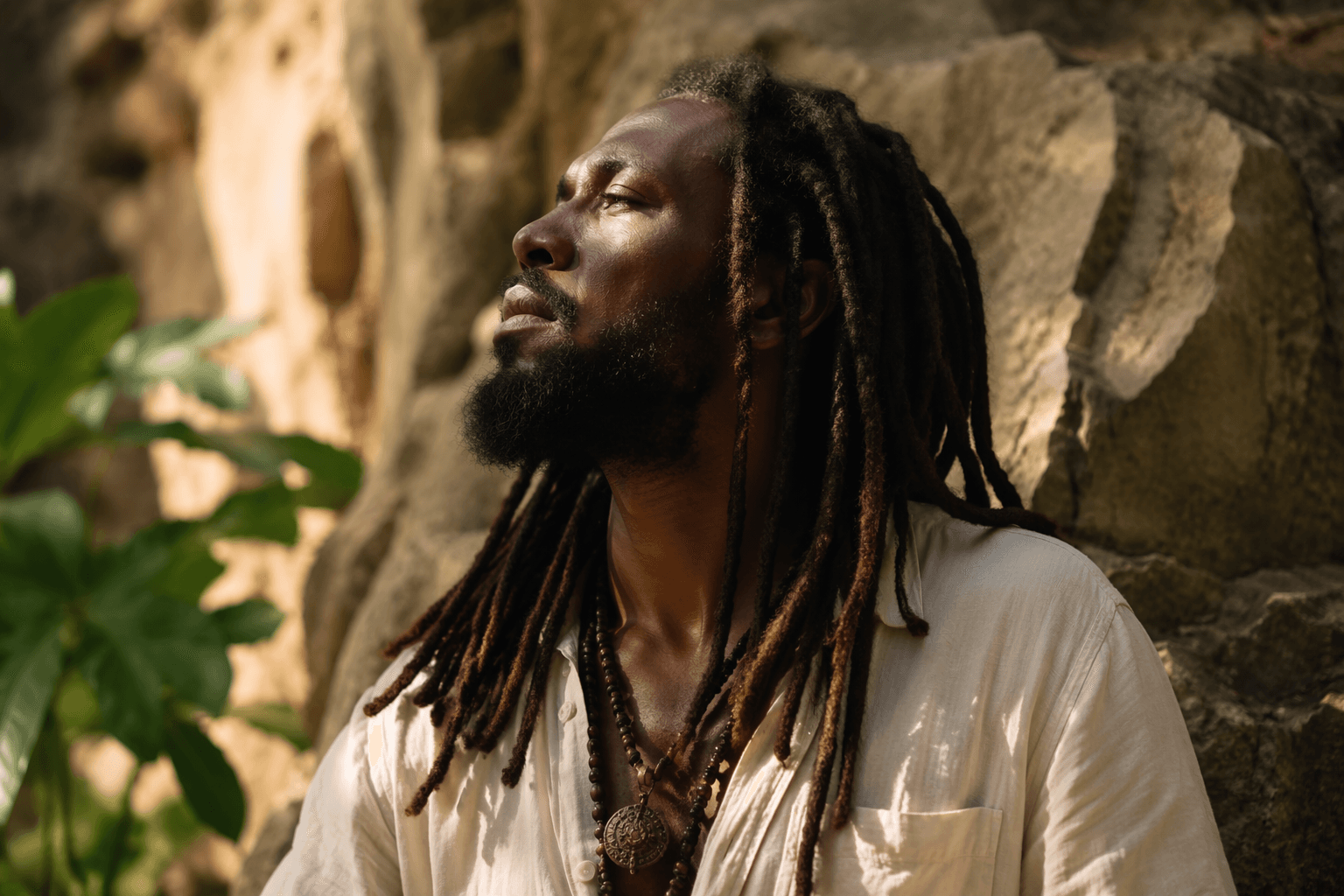
Jahfrican is not treating Coming Back Home like a routine release. The seven-song EP plays like a reset button, a statement of purpose, and a re-entry into reggae on his own terms, with personal writing and Afro-fusion textures shaping the mood from the first listen. For a producer-turned-artiste long identified as Adrian Locke, this is the clearest signal yet that the comeback is about identity as much as music.
A comeback built around reset, not nostalgia
What makes Coming Back Home stand out is that it frames return as transformation. Jahfrican presents the project as a rebirth in reggae, and the songs lean into love, loss, and legacy instead of chasing a generic roots revival. That matters because the EP is not trying to imitate an earlier version of him; it is trying to show why the next chapter should sound more deliberate, more personal, and more open to new colors.
The project’s title captures that turn neatly. Coming Back Home suggests arrival, but the music is really about rediscovery, a re-centering of the artist around the sound and story he wants to carry forward. In a reggae landscape where listeners often respond to authenticity first, that kind of repositioning gives the release immediate weight.
What is different this time
The biggest change is the blend. Coming Back Home mixes reggae with Afro-fusion and deeply personal storytelling, which gives the EP a broader emotional and rhythmic range than a straight roots set. The result is a record that keeps reggae at its core while leaving room for melody, movement, and the cross-continental pulse Jahfrican has been building toward.
That shift is not just cosmetic. Jahfrican says the name itself reflects a Jamaica-Africa cultural bridge, and the music follows that idea through its sound choices and lyrical frame. Instead of treating heritage as a slogan, the EP uses it as structure, tying Jamaican roots to African influence in a way that feels lived-in rather than calculated.
The emotional centerpiece is California, the track Jahfrican has singled out as the project’s center of gravity. He has described the song as coming together quickly because the energy in the studio made the process feel almost effortless, which helps explain why the EP carries such a sense of flow. California sounds like the sort of track that arrived fully formed, not one that was overworked into place.
The tracklist shows the range
The seven-song run is compact at 24 minutes, and that brevity works in the project’s favor. There is no wasted space here, only a tight sequence built to keep the focus on mood and message. The tracklist, Let It Be Done, Coming Back Home, Ketchie Shubbie, California, Bless You Papa, Locked in 4 Life, and Hold Dung, moves from reflective to declarative without losing cohesion.
That sequence also tells you something about the EP’s emotional architecture. Titles like Bless You Papa and Locked in 4 Life suggest family, loyalty, and permanence, while Hold Dung carries the stubborn determination that reggae fans know well when an artist is steadying themselves for a new phase. The set feels designed to reintroduce Jahfrican not as a newcomer, but as someone whose catalogue now has a clearer center of gravity.
The production circle matters
Part of why Coming Back Home lands as a reset is the way it was made. The EP was largely produced in-house at Truckback Recording Studios through LockeCity Music, with veteran producer Lloyd "John John" James Jr. also involved. That combination gives the project a useful duality: intimate enough to feel personal, seasoned enough to signal real industry lineage.
The Truck Back connection is especially important because Jahfrican is not coming from nowhere. He was previously known as Adrian Locke, one-third of Truck Back Records, the Jamaican reggae label founded by Steve Locke, Adrian Locke, and Andrew Locke. That background gives this EP a sense of continuity, but it also sharpens the stakes, because Coming Back Home is asking listeners to hear him not just as part of a family imprint, but as an artiste with a distinct voice.
From producer to artiste, and why that arc still matters
Jahfrican’s move from producer identity to full artiste mode has been building for years. His recording career began in 2020 with Ole Friend, and a 2021 profile noted that the song had strong online support and was beginning to move from underground attention toward broader recognition. That earlier momentum matters now because it shows this EP is not a random pivot, but the next step in a longer evolution.
He has also said in earlier coverage that his Afro-sound felt technically challenging but natural to him, which helps explain why Coming Back Home doesn’t feel like a stretch. It sounds like someone leaning into a language he has been developing for years, one that lets him move between producer instincts, roots discipline, and a more expansive diaspora conversation.
The rollout feels like a real return
The release has also been presented as a proper moment, not just a file drop. A YouTube clip posted May 31, 2026 references a Coming Back Home EP launch with friends, family, and industry players, which suggests the project was being introduced as a communal event as much as a commercial one. In reggae, that kind of launch energy matters, because it signals that the music is entering the culture through relationships, not algorithms alone.
Amazon Music lists the EP as a May 29, 2026 release, and that timing fits the sense of a carefully staged rollout. Between the in-house production, the family-label lineage, the cross-cultural themes, and the launch presence, Jahfrican is treating this as a full reintroduction. The comeback story is not buried in the marketing, it is built into the record itself.
By the time Coming Back Home reaches its final track, the title has done more than name the project. It has set the terms for the whole return: not a retreat, not a replay, but a clear step back into reggae with a stronger sense of who Jahfrican is and where his sound is headed.
This article was produced by Prism’s automated news system from verified source data, official records, and press releases, then run through automated quality and moderation checks before publishing. The system is built and supervised by the people who set the standards it runs under. Read our full AI policy.
Did this article answer your question?