Jamaica's Island Music Conference Addresses AI, Publishing Rights, and Grammy Recognition
Kingston's IMC bounced back after Hurricane Melissa with sharp panels on AI, publishing rights, and reggae's Grammy future that every emerging artist needs to hear.
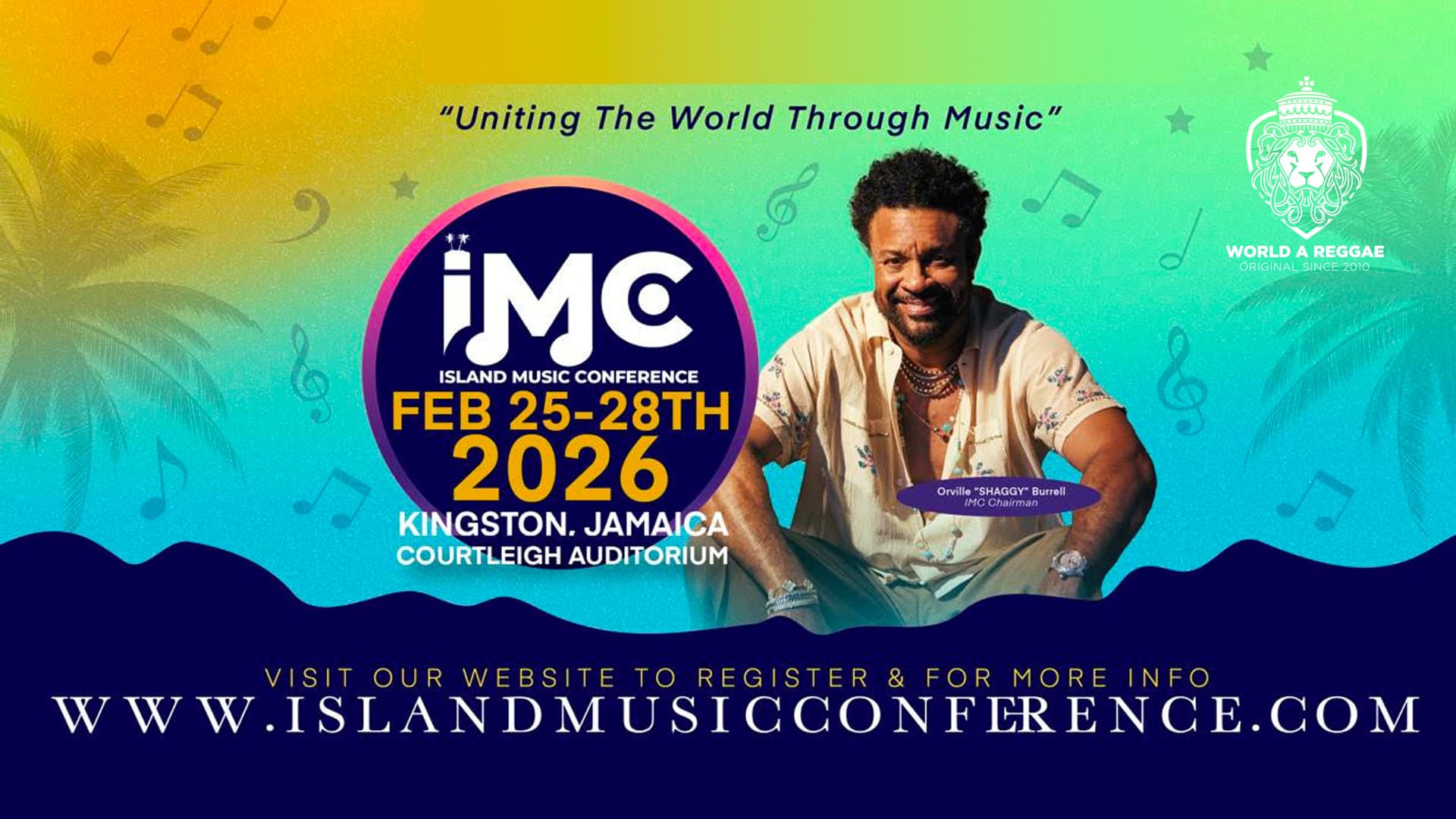
Just a few months after the devastation of Hurricane Melissa, Jamaica danced right back to the center of the global music conversation with this year's Island Music Conference (Feb. 25-28)." That opening line from Billboard writer Kyle Denis says everything about the stakes of this year's IMC. Kingston hosted the four-day conference as both a recovery statement and a forward-looking summit, and the programming reflected exactly that energy: urgent, practical, and unapologetically rooted in the future of reggae and Caribbean music on the global stage.
Publishing Education and Copyright Fundamentals
One of the clearest through-lines across the conference was the push to demystify the business side of music for Jamaica's emerging artists. IMC programmed entry-level panels covering publishing, streaming compensation, and how to navigate the different algorithms that increasingly determine who gets heard and who gets buried. For artists who have spent years perfecting their sound but never had anyone explain what a publishing split actually means or how streaming royalties flow from platform to rights holder, these sessions filled a genuine gap. The goal, as the conference framing made clear, was to hand Jamaica's ascendant musicians "a helpful toolkit to begin their music industry journeys." That's not a small thing. Understanding your rights before you sign anything is the difference between building generational wealth and watching someone else profit from your riddim.
Songwriters' Workshops and the Young Artist Showcase
IMC didn't just run panels and send people home. The conference dedicated real time and real space to the artists themselves, including songwriters' workshops that gave emerging creators hands-on engagement with the craft and business of writing music. Beyond the workshops, the four-day conference also dedicated a three-hour showcase specifically to young and ascendant artists, and by every account it delivered. "From raucous dancehall fusions to soaring reggae and gospel vocals, the talented lineup quickly won over new fans." That range matters because it reflects where Jamaican music actually lives right now: not in one lane, but across a spectrum that runs from raw dancehall energy to devotional roots vibrations.
The conference also created space for candid conversations about "the struggles of young artists," with rising stars Rajah Wild and Major Myjah both featured in those discussions. Getting rising artists in the same room as industry professionals to talk honestly about what it's actually like to come up in this industry, the financial pressure, the gatekeeping, the algorithm anxiety, is exactly the kind of programming that makes a conference worth attending.
AI and the Future of Music Media
The conversation that generated the most heat was Friday morning's "Building Caribbean Media Power" panel. The lineup was sharp: Billboard writer Kyle Denis, Boomshots Media founder Rob Kenner, Irie FM general manager Brian Schmidt, Atlantic Music Group vice president of marketing Brianna Harrison, and Lashington Agency managing director Chrislyn Lashington. That's a room that covers the full media ecosystem, from print to radio to marketing to independent agency work, and the group delivered a cautious outlook on AI in the music media space.

The consensus was direct: "Panelists generally agreed that Google's AI summaries and wholly AI-generated content should be avoided." That's a meaningful statement coming from people who work inside the industry rather than commenting on it from the outside. But the panel didn't stop at avoidance. They also stressed that "art that directly contradicts the tenets of AI will likely be the most sought after as the tech continues to grow." In other words, the deeply human, the emotionally complex, the culturally specific, these are not liabilities in an AI-saturated world. They are the asset. For reggae and dancehall, genres built on storytelling, lived experience, and spiritual grounding, that framing should feel like an invitation rather than a warning.
Government Support and the Policy Conversation
Brian Schmidt used the "Building Caribbean Media Power" panel to raise a concern that goes beyond media strategy. Separate from the AI discussion, Schmidt called on the local Jamaican government to better support local creators and to get rid of unnecessary taxes that would free up resources for the creative sector. The source material available from the conference is truncated at that point, so the full scope of Schmidt's policy ask, what specifically those freed-up resources would enable, requires confirmation from the complete record of the panel. What is clear is that Schmidt, as Irie FM's general manager and someone with deep roots in Caribbean media, chose a highly visible platform to make that appeal directly. The message: the industry can educate and empower artists all it wants, but structural barriers at the government level still need to be addressed.
Grammy Recognition and the Future of Reggae
The headline for Kyle Denis's Billboard roundup names it explicitly: "the Future of Reggae at the Grammys." Grammy recognition has long been a complicated conversation within the reggae community, touching on questions of category placement, industry visibility, and whether the Recording Academy adequately reflects the full scope of what reggae and its related genres have become. The IMC took that conversation seriously enough to make it a central theme of the 2026 conference. The specific sessions and speakers who addressed Grammy recognition were not captured in the available excerpt from Denis's piece, and the full detail of those conversations warrants consulting the complete Billboard article or session transcripts directly.
What the available record does make clear is that IMC framed the Grammy discussion not as an abstract aspiration but as part of a larger conversation about Jamaica's place in the global music ecosystem. Coming just months after Hurricane Melissa, a natural disaster that tested the island's resilience in every sector, the conference's insistence on centering reggae's international ambitions was itself a statement of purpose.
IMC 2026 worked on multiple levels simultaneously: recovery narrative, industry education, artist development, policy advocacy, and long-term genre positioning. That's a lot to carry across four days in Kingston. The fact that it delivered on all of those fronts, filling rooms with rising artists, drawing senior industry figures into frank conversations about AI and government support, and platforming the next generation of Jamaican musicians through a showcase that moved across the full dancehall-to-gospel spectrum, suggests the conference is doing exactly what the ecosystem needs it to do.
Know something we missed? Have a correction or additional information?
Submit a Tip