Kenyan elders decry reggae funeral processions as Luhya customs fade
A May ban in Kakamega has put reggae funeral processions on trial, as elders say Msafara is pushing sacred Luhya burial rites aside.
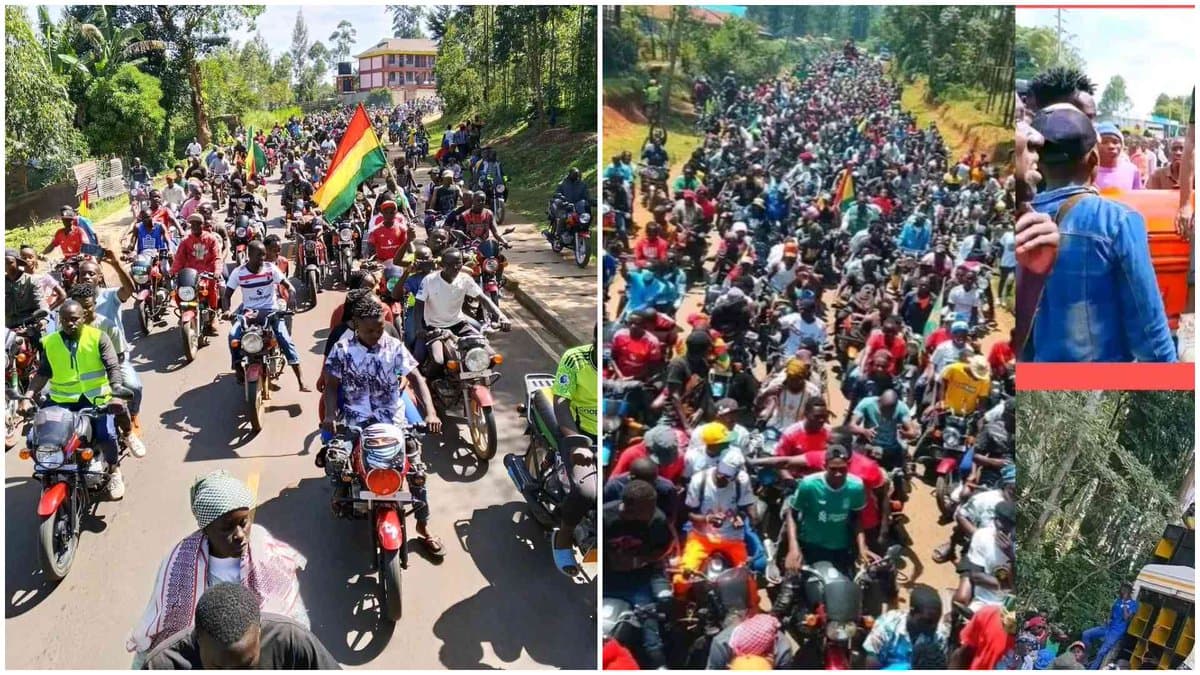
What started as loud music at the funeral ground has become a deeper fight over how the dead are sent home in western Kenya. In Kakamega and Vihiga, elders say Reggae na Lami, also known as Msafara, is edging out sacred Luhya burial customs with blaring speakers, dancing and shouting during processions from mortuaries to homes.
The backlash sharpened in May 2026 when Kakamega Central Deputy County Commissioner Onesmus Kyatha banned the processions during body transport, warning hearse drivers and mourners that violations could lead to legal action. County officials said the scenes were no longer just a cultural display, but a source of traffic congestion, conflict, public disturbance, business disruption and loss of property.

Assistant County Commissioner Geoffrey Ng'enoh issued a similar warning to youths and the public, saying the practice had become a nuisance along the Kisumu-Busia highway and would soon attract legal action. That framing has pushed the issue beyond music and mourning, placing it squarely in the territory of public order, transport safety and local commerce.
For many Luhya families, the concern is not only the volume but the erosion of burial rites that once followed a highly structured path. Earlier reporting on Luhya funerals described traditional dances, ritual regalia, mock fighting and the slaughter of more than 20 bulls at a burial, with food shared as part of the rite. Nation.Africa also documented a rare burial in Bungoma where a 90-year-old man was wrapped in cow hide and laid to rest without a coffin, showing how deeply identity is tied to funeral practice.
The customs have already been under strain. During the COVID-19 pandemic, burials within 48 hours became common, cutting into the longer and more communal funeral programmes that had defined Luhya mourning for generations. The Star reported in March 2025 that those rituals can also serve as psychological support for bereaved families, especially in a country where mental health resources are scarce.
That is why the argument around Reggae na Lami has landed so sharply. To its supporters, it is a modern funeral expression that fills the road with energy. To elders, it is a step too far, one that turns a sacred passage into a performance and leaves Luhya customs fighting to hold their place at the graveside.
This article was produced by Prism’s automated news system from verified source data, official records, and press releases, then run through automated quality and moderation checks before publishing. The system is built and supervised by the people who set the standards it runs under. Read our full AI policy.
Did this article answer your question?