Lowell Sly Dunbar, Sly and Robbie Drummer-Producer, Dies at 73
Lowell Sly Dunbar, legendary drummer-producer and half of Sly & Robbie, died at 73; his rhythms helped define multiple eras of reggae and dancehall.
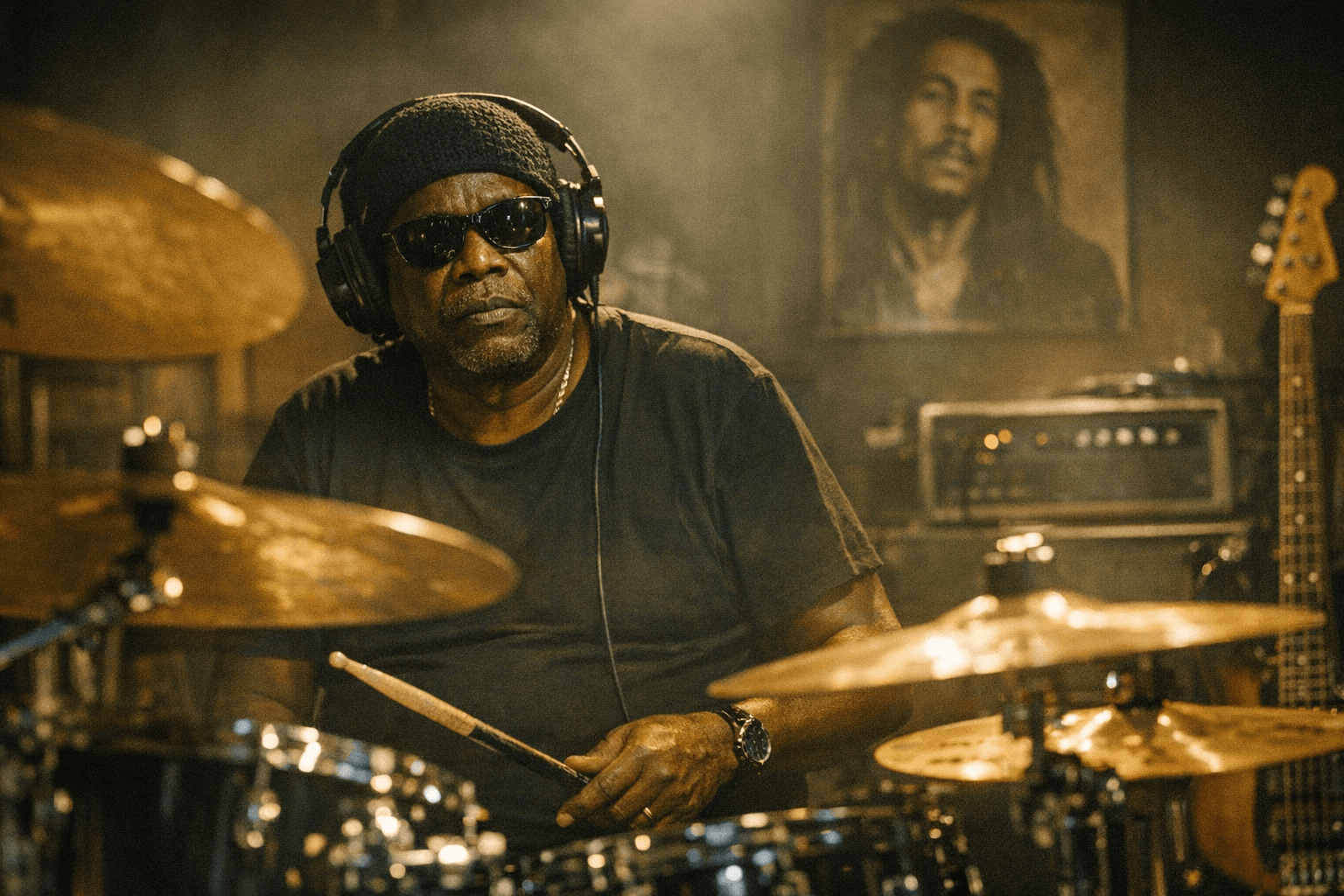
Lowell "Sly" Dunbar, the Jamaican drummer best known as one half of the rhythm duo Sly & Robbie, died at age 73 after an illness that had affected him for months. His wife, Thelma Dunbar, found him unresponsive at home on the morning of January 26, 2026; no cause of death has been released.
Dunbar's beat-making and production work helped shape reggae from its roots into the dancehall and cross-genre collaborations that followed. He first rose to prominence as the steady heartbeat of the Revolutionaries house band, then teamed with bassist and producer Robbie Shakespeare to form Sly & Robbie, a decades-long partnership that produced and played on recordings at home and abroad. The duo co-founded Taxi Records and left fingerprints on sessions for major Jamaican acts including Black Uhuru, and reggae legends Bob Marley and Peter Tosh, while expanding into international projects with Grace Jones, Bob Dylan, and Mick Jagger.
A two-time Grammy winner with numerous nominations, Dunbar combined a selector's sense of rhythm with studio savvy, making him as influential to producers and sound-system operators as he was to session musicians. His grooves moved from roots to rockers to digital riddims, and his work with Taxi Records helped codify the role of the producer-drummer in Jamaican music. That practical studio and stage expertise made him a touchstone for drummers, programmers, and engineers aiming to translate the pocket and tempo of reggae into modern productions.
Tributes poured in from peers and industry figures, reflecting Dunbar's wide network of collaborators and admirers. For musicians and DJs, his death is a call to revisit credits and catalogues, study the pocket of the Revolutionaries era, and learn how small rhythmic choices change an entire riddim. For selectors and sound systems, Dunbar's records remain templates for set-building and dub versions that keep basslines alive on dancefloors.
The immediate impact will be felt in radio crates, streaming playlists, and studio sessions as producers and fans return to Sly & Robbie recordings and Taxi Records releases. Archivists and labels may soon reassess session logs and releases for reissues or compilations, and younger players will continue to mine Dunbar's grooves for inspiration.
Lowell Sly Dunbar leaves a densely recorded legacy that will continue to inform reggae and its offshoots. Revisit his work, support surviving collaborators, and keep the riddims in rotation, his drum patterns are part of the foundation that keeps sound systems and studios talking.
This article was produced by Prism’s automated news system from verified source data, official records, and press releases, then run through automated quality and moderation checks before publishing. The system is built and supervised by the people who set the standards it runs under. Read our full AI policy.
Did this article answer your question?