Practical Primer: Mastering Reggae Vocal Styles for Producers and DJs
Reggae vocal styles define the genre’s emotion, phrasing and rhythmic identity, and understanding them lets you record, mix and perform with authenticity. This guide breaks down roots one-drop, lovers rock, toasting, singjay and modern dancehall flows with specific recording, mixing and performance advice you can apply in home studios and live sound-system settings.
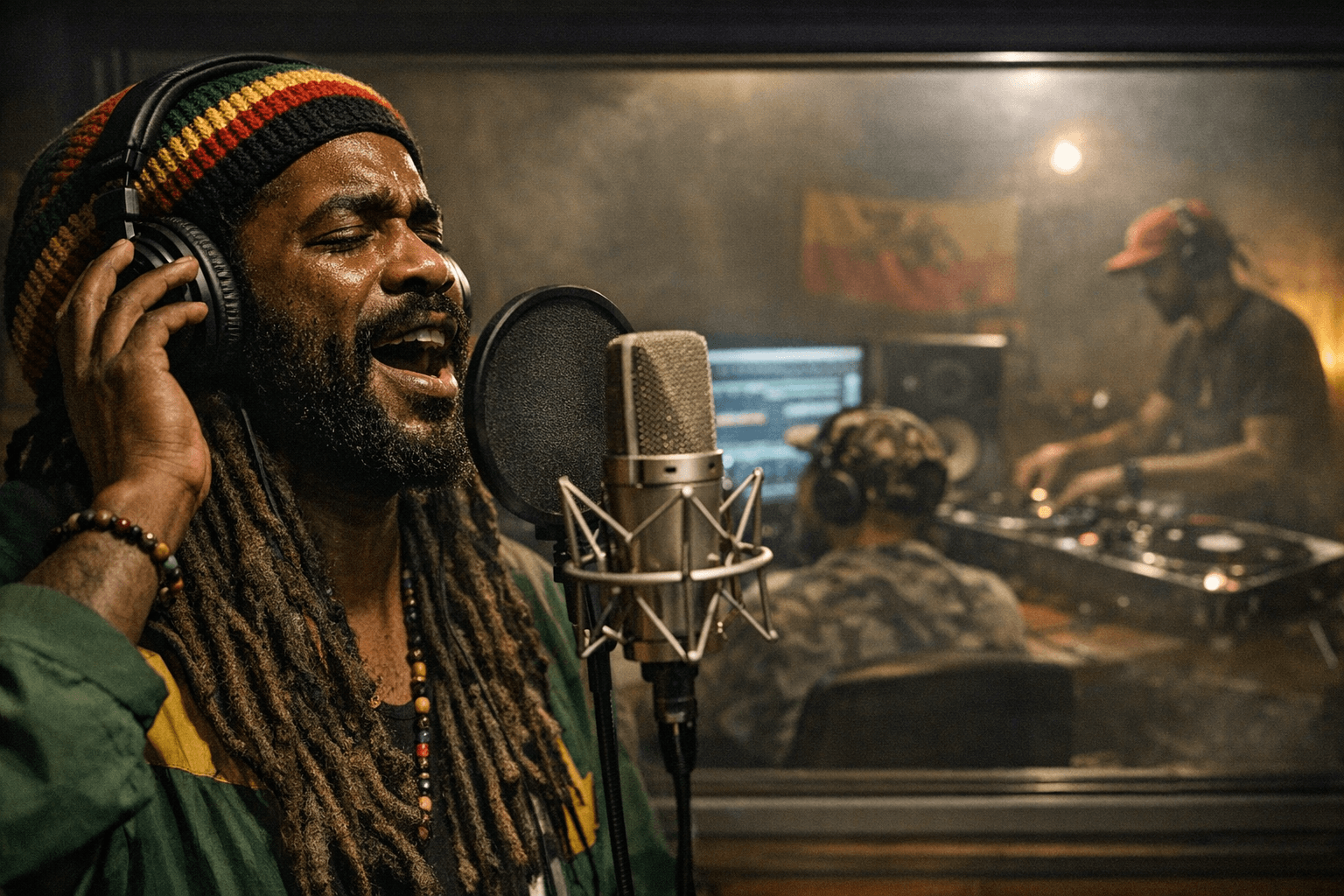
Reggae’s vocal approaches are more than ornamentation; they shape how lyrics land, how rhythms breathe and how a riddim connects with an audience. Learn the distinguishing features of each style and the practical studio and stage techniques that support them to make tracks and sets that feel genuine on the dancefloor and in your DAW.
Roots or one-drop singing is melodic and soulful, with vibrato and sustained notes that sit slightly above the rhythm. Subject matter often centers on social justice, spirituality and upliftment. In the studio, favor a warm tube-style microphone or transformer-coupled preamp, light compression and slight tape saturation to give vintage tone. Place the vocal a bit forward in the mix but leave headroom so the bass and drum pocket can breathe.
Lovers rock takes a smoother, R&B-influenced approach with melismatic runs and intimate phrasing focused on love and relationships. Double-track the lead for warmth, add subtle chorus on backing layers and use reverb plus a short delay to create space. Keep the vocal intimate and present so the emotional nuance carries through even on small PA systems.
Toasting or deejay style is rhythmic and spoken-sung, using call-and-response and rhythm-driven delivery that prefigured rap. Use a dynamic or ribbon microphone for close-up presence, aggressive compression with fast attack and medium release, and tight EQ around 2–5 kHz to cut through the mix. Minimal reverb and echo or delay throws on key phrases are classic sound-system techniques to punctuate lines without washing them out.
Singjay blends melodic singing with rhythmic toasting. Treat sections differently in the mix: open up singing parts with reverb and delay for space, and keep toasting parts drier and punchier. Switch processing as the performance moves between chorus and verse to preserve clarity.
Modern dancehall flows emphasize syncopated phrasing, rapid delivery and heavy use of patois. Tighten timing in editing, add subtle saturation for grit, and use tempo-synced delay throws at phrase ends. Consider nudging lines slightly to lock them to drum hits for a locked-in groove.
Producers and engineers rely on double-tracking, harmonies and call-and-response to thicken choruses and create stereo width. Dub-style processing is a performance tool: automate echoes and reverb sends, duck instruments to foreground vocal lines, then drop them back for impact. For mixing, carve 250–500 Hz from competing instruments to clear vocal warmth and emphasize 1–3 kHz for intelligibility. Use slap-delay for presence and quarter or eighth-note delays for tempo-synced dub-throws.
Practice by copying short phrases from different styles over a drum loop, recording the same line at varying mic distances to learn proximity effect, and performing echo-throws to master timing. For live shows, keep toasts short so you leave room for singers, and train backing singers in call-and-response to support featured artists. At home, record dry and add delay and reverb in post for precise control.
Listen to Bob Marley, Dennis Brown and Gregory Isaacs for roots; Janet Kay and Marcia Griffiths for lovers rock; U-Roy and Big Youth for toasting; early Shabba Ranks and Buju Banton for singjay; and Vybz Kartel and Sean Paul for modern flows. Studying these examples while applying the microphone, mixing and performance techniques above will speed your path to credible reggae productions and convincing live sets.
This article was produced by Prism’s automated news system from verified source data, official records, and press releases, then run through automated quality and moderation checks before publishing. The system is built and supervised by the people who set the standards it runs under. Read our full AI policy.
Did this article answer your question?