Practical Reggae Festival Tips for First-Time Attendees and Seasoned Fans
Plan with margin: map the site, manage sound, and pack accessibility and emergency plans so both first-timers and veterans enjoy reggae without surprises.

1. Map site layout for flow
Map your site layout intentionally so stages, amenities, and access routes serve both crowd movement and the vibe; Ticketfairy’s concise instruction is simple: “Map your site layout for flow.” This means balancing walking distances so attendees aren’t exhausted between sets while avoiding sound bleed between stages. For producers and crew, a clear site map becomes the backbone for signage, staffing and emergency routing.
2. Place stages to balance sound bleed and walking distance
“Place stages far enough apart to avoid sound bleed but close enough that walking between them isn’t a hike (unless you have a very large festival where camping is involved).” That exact guidance covers most day festivals and flags camping events as an exception where longer walks are acceptable. Use that rule to schedule overlapping sets, plan shuttle routes for sprawling sites, and protect headline sets from competing bass lines.
3. Mark bathrooms, food, and water clearly
“Put bathrooms, food, and water in convenient spots (and clearly mark them).” Attendees notice convenience immediately; clearly marked spots reduce congestion and keep people in the mood for music. For operations, plan restroom ratios and water refill points to match projected crowd size so lines don’t kill set transitions.
4. Use natural sightlines where possible
“Consider sightlines – for instance, an outdoor stage at the bottom of a gentle slope provides natural amphitheater viewing.” Positioning stages to take advantage of a slope or existing topography improves audience experience without extra infrastructure. For guerrilla or low-budget events, sightline gains can be as impactful as adding more sound power.
5. Ensure accessible paths and inclusivity
“Ensure there are accessible paths for differently-abled attendees (ADA compliance in the U.S.) – reggae festivals often promote inclusivity, so make sure everyone can reach key areas.” Accessibility isn’t optional; it’s part of the reggae festival ethos and legal compliance where applicable. Plan ramps, firm surfaces, and staffed assistance points so everyone can get to stages, vendors, and emergency shelters.
6. Always have an evacuation plan for emergencies
“And always have an evacuation plan for severe weather or emergencies; identify shelter areas or evacuation routes and communicate them to staff.” Staff-only knowledge isn’t enough, run briefings so security, volunteers, and vendors know shelter locations and their roles. Build a simple checklist for evacuation communication and post staff maps near the command center; practice scenarios during load-in to iron out confusion.

7. Budget conservatively and “plan with margin.”
“This breakdown will differ for every event, but it underscores a key point: plan with margin.” Ticketfairy warns that “Many first-time producers underestimate infrastructure costs (like fencing, toilets, power) or overestimate ticket revenue.” Budget principles are straightforward: • assume lower ticket revenue, • overestimate fencing/toilets/power costs, and • allocate contingency funds so the show doesn’t hinge on a single sell-through number.
8. Track spending in real time and be ready to adjust
“Track your spending in real time if possible – a simple spreadsheet or dedicated event budgeting software works – so you can adjust plans if needed (e.g. cutting a secondary stage if costs run high, or increasing marketing if ticket sales lag).” Real-time tracking lets producers make informed trade-offs: cancel a secondary stage, reallocate staff, or boost promo spend as needed. Even small festivals benefit from a live ledger; it turns guesswork into decisions.
9. Control sound proactively, aim bass inward, and work the community
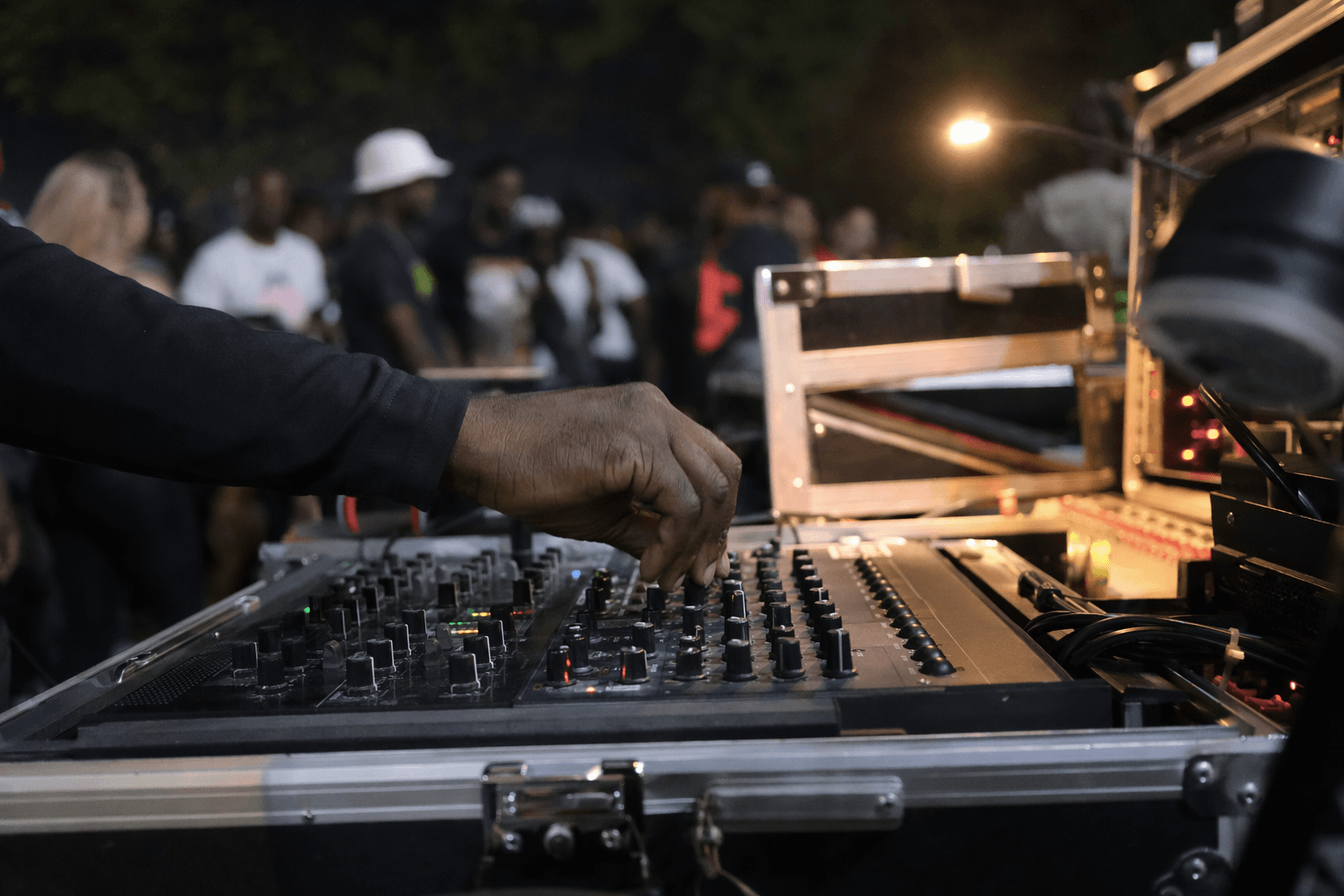
“Urban reggae festivals require proactive sound control.” Start with “First, use a directional speaker setup (like cardioid subwoofer arrays) to aim bass towards the audience and away from neighbors,” then “work with a sound engineer to set decibel limits at the perimeter and monitor them in real time.” Pair technical fixes with outreach: “It’s wise to communicate with local residents and authorities in advance – explain your noise mitigation steps and provide a hotline during the event.” If a permit example reads “sound off by 10 PM,” adhere to curfews or “switch to a silent disco or lower-volume acts after that.” The combined approach, tech, monitoring, and community liaison, keeps bass tight and relations calm.
10. Remember cultural etiquette, sound‑system appreciation, and merch etiquette
“This evergreen guide collects practical, experience‑driven advice for people attending reggae festivals, from planning and cultural etiquette to sound‑system appreciation, vinyl and merch shopping, and getting the most from live performances.” Treat that list as your attendee playbook: respect artists and sound systems, support vendors when you can, and bring cash or card prepared for vinyl and merch tables. While producers handle infrastructure and sound, fans make the festival by following cultural etiquette and leaning into sound‑system culture respectfully, do that and everyone gets a better show.
Conclusion: Treat these ten points as a single, interlocking checklist, site flow, accessibility, safety, finances, and sound control work together. Plan with margin, keep communication open with your crew and your neighbors, and you’ll preserve the music and the community that make reggae festivals special.
Know something we missed? Have a correction or additional information?
Submit a Tip